Love Seat: Size, Loveseat vs Sofa and How to Choose One
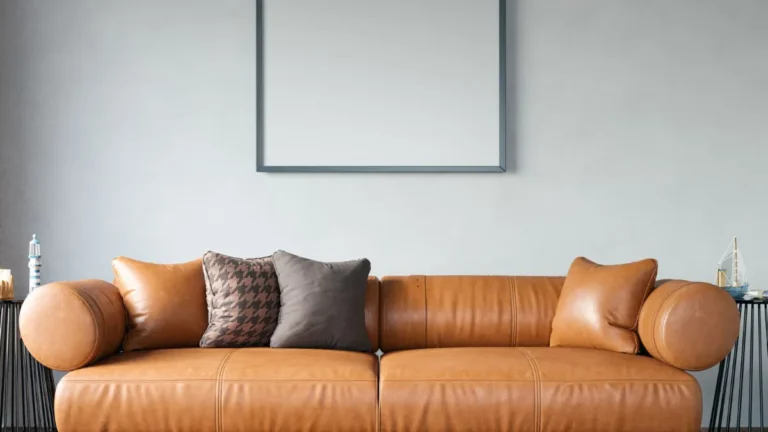
A love seat is a small sofa that seats two. It fits where a full sofa would be too big: apartments, dens, bedrooms, entryways and the second seating area in a larger living room. It’s also a smart way to add seating without overwhelming a room.
This article is part of our sofa and couch buying guide, where you can compare related options.
A love seat is a compact sofa built for two people. The name comes from its old use as seating for couples. Today, it works just as well for one person who wants to stretch out. Loveseats come in many styles, from tight, upright designs to deep, plush ones.
This guide explains loveseat dimensions, how a loveseat differs from a sofa, where it works best, what features to look for and how to measure. You’ll also find a comparison table, a buying checklist and answers to common questions.
Love Seat vs Sofa: What’s the Difference?
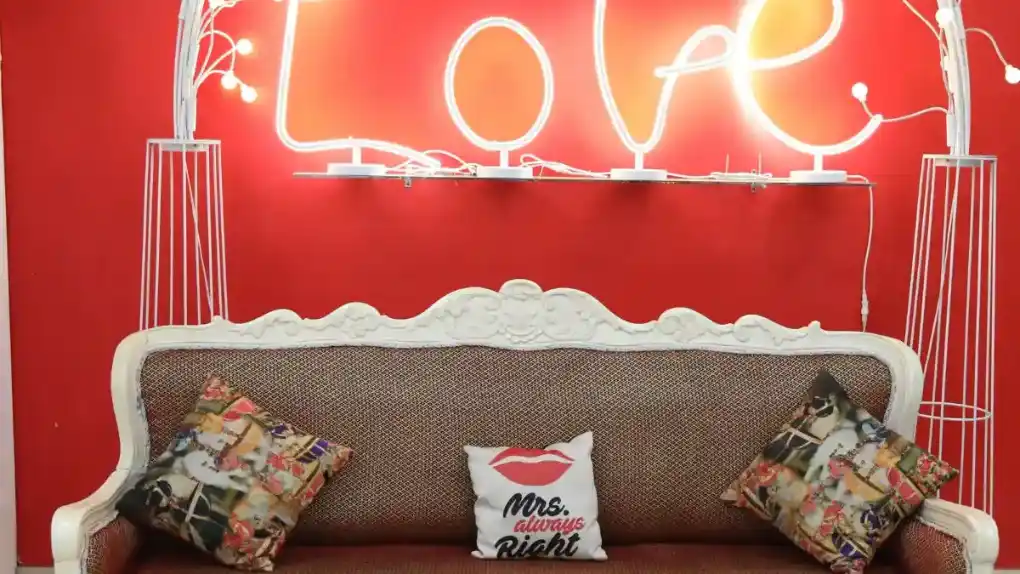
The main difference is seating capacity. Wayfair notes that the main difference between a sofa and a loveseat is the number of people they can comfortably fit. A sofa seats three or more. A love seat seats two. Sofas also offer more room for lounging, while love seats are more compact.
| Feature | Love seat | Sofa |
|---|---|---|
| Seats | 2 | 3 or more |
| Width | About 48 to 72 inches | About 70 to 96 inches |
| Best for | Small rooms, second seating area | Main seating |
| Lounging | Limited | More room |
| Price | Usually lower | Usually higher |
Love Seat Dimensions
Sizes vary by brand. Overlapping ranges. One guide puts love seat width at 48 to 72 inches. A Polywood guide lists an overall length of 52 to 64 inches for standard love seats and 70 to 96 inches for standard sofas. Another source separates a large love seat or “loveseat sofa” at 63 to 72 inches, suited to two or three people, from the standard two-seater.
Because of the variation, one source advises that checking exact dimensions is more reliable than relying on labels. Look at the width, depth and height listed on the product page.
Depth also matters. Deep seats suit lounging and curling up. Shallower seats suit upright sitting for work or reading. One source notes that if you love to curl up, you should prioritize deeper seats, while a shallower, supportive love seat is better if you sit upright to work or read.
Love Seats for Small Spaces
Povison suggests that in small rooms (around 130 square feet or less), a love seat or apartment-size three-seater, around 60 to 75 inches wide, usually works best. Savvy Rest adds that a love seat is an ideal option for smaller spaces where a sofa would overpower the room.
Tips for small rooms: Choose a love seat with slim arms to save width. Pick raised legs, which show more floor and make the room feel open. Use light colors and simple lines. Pair it with a small coffee table or nesting tables. Think about a pair of chairs or a bench instead of a second sofa. Leave walkways of about 30 inches around furniture.
Where to Use a Love Seat
Apartment living room: it can serve as the main seating when space is tight. Second seating area: in a larger room, a love seat creates a cozy conversation spot. Bedroom: a love seat at the foot of the bed or by a window makes a reading corner. Home office: a guest spot or a place to take a break. Entryway: offers a place to sit and take off shoes. Sunroom or porch: choose weather-appropriate fabrics.
Types of Love Seats
Classic love seat: two seat cushions, a back and arms. Recliner love seat: each seat can recline. Check the space behind it. Sleeper love seat: folds out into a small bed. Loveseat with chaise: adds a stretch-out seat. Settee: a decorative small sofa, often with a wooden frame. Camelback or tuxedo love seat: traditional or modern styles with distinct arms and backs. Outdoor love seat: made for patios and gardens.
How to Measure for a Love Seat
- Measure the space. Width and depth of the wall or area.
- Leave room around it. Aim for walking space of at least 30 inches where people move.
- Check the doorway and path. Measure doors, halls, stairs and corners.
- Check the height. Make sure the back doesn’t block windows or vents.
- Tape the outline on the floor to see how it fits.
- Check the clearance for recliners. They need room behind and in front.
What to Look For
Frame: kiln-dried hardwood or strong plywood frames last longer than particleboard. Cushions: high-density foam holds its shape. Feather and down feel soft but need fluffing. Fabric: durable fabrics like microfiber, polyester or performance fabric suit families and pets. Leather is easy to wipe. Comfort: check seat depth, seat height and back support. Arms: slim arms save space. Wide arms offer a place for a drink or a nap. Legs: raised legs make a room feel open and allow vacuuming underneath. Warranty: look for frame and spring coverage.
How to Choose a Love Seat
Decide the job. Main seat, extra seat or a nook? Measure the space. Pick the size. Standard, large or apartment size. Choose the depth. Deep for lounging, shallow for upright. Pick the style. Classic, modern, recliner or sleeper. Choose the fabric. Match your household. Check the frame and cushions. Plan the delivery path. Read reviews. Check the return policy.
What mistakes should you avoid?
A few common mistakes are worth avoiding: buying a love seat that’s too small for the room (in a large room, it can look lost); ignoring depth (too deep or too shallow can be uncomfortable); not measuring the doorway (it may not fit); choosing the wrong fabric (light fabrics may not suit pets and kids); overlooking the frame (a weak frame sags); forgetting about leg space (make sure you can walk past).
Frequently Asked Questions
What is a love seat?
A small sofa that seats two people.
What size is a love seat?
Many are 48 to 72 inches wide, and a standard one is often about 52 to 64 inches. Sizes vary by brand.
What is the difference between a love seat and a sofa?
A love seat seats two and is more compact. A sofa seats three or more and offers more lounging room.
Is a love seat good for a small living room?
Yes. It’s often the best choice for rooms around 130 square feet or smaller, according to one source.
Can two adults sit comfortably on a love seat?
Yes, for most. A large loveseat of 63 to 72 inches suits two or three people.
Can I use two love seats instead of a sofa?
Yes. Two love seats facing each other create a nice conversation area.
Conclusion
A love seat gives you comfortable seating for two without taking over the room. It’s a smart choice for small spaces, bedrooms, offices and second seating areas.
Check the exact dimensions, think about depth and fabric and measure your space and your doorway. With the right love seat, you add comfort and style in a compact size.
Related guides
 Fainting Couch: What It Is, Real History, Myths and How to Use One TodayA fainting couch is a long, narrow couch with a raised end, made for reclining with the legs up. It was popular…Read more →
 Deep Couch: Seat Depth (23-27+ Inches), Who It Suits and How to ChooseA deep couch has a seat that measures about 23 inches or more from front to back. One retailer guide puts…Read more →
 Loveseat Sleeper Guide: Sizes, Mattress Types and How to MeasureA loveseat sleeper is a small sofa with a bed folded inside. Standard loveseats run about 52 to 72 inches wide,…Read more →
 Window Seat Guide: Ideal Height, Depth, Length, Storage, Bay Window Tips and CushionsQuick answer: a comfortable window seat is about 18 inches high once the cushion is on, so build the deck about…Read more →