Sofa Set Guide: Sizes, Layouts, Frames, Cushions and How to Choose a Living Room Set
A sofa set is a group of matching seating pieces, such as a sofa and loveseat, or a sofa, loveseat and armchair. Buying a set saves time and gives you a matching look right away. But a set is also a bigger purchase, in price and in size, and the wrong one can crowd the room, wear out early or look dated. A little planning makes a big difference.
This article is part of our sofa and couch buying guide, where you can compare related options.
This guide explains the common sofa set types, how to measure your room and doorways, how to plan a layout, what to check in the frame, cushions and fabric, and whether a set or separate pieces are better. Search results for this topic were full of low-quality duplicate pages, so I used the more reliable retailer guides and general knowledge, and I have marked where numbers come from a single source.
What Is in a Sofa Set?
Sets come in different combinations.
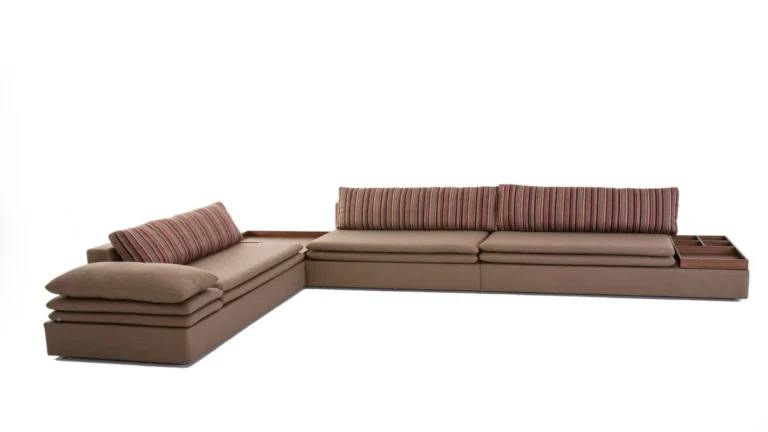
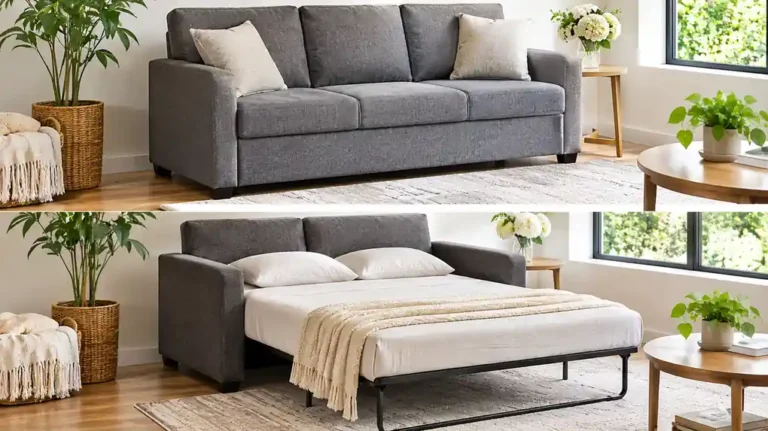
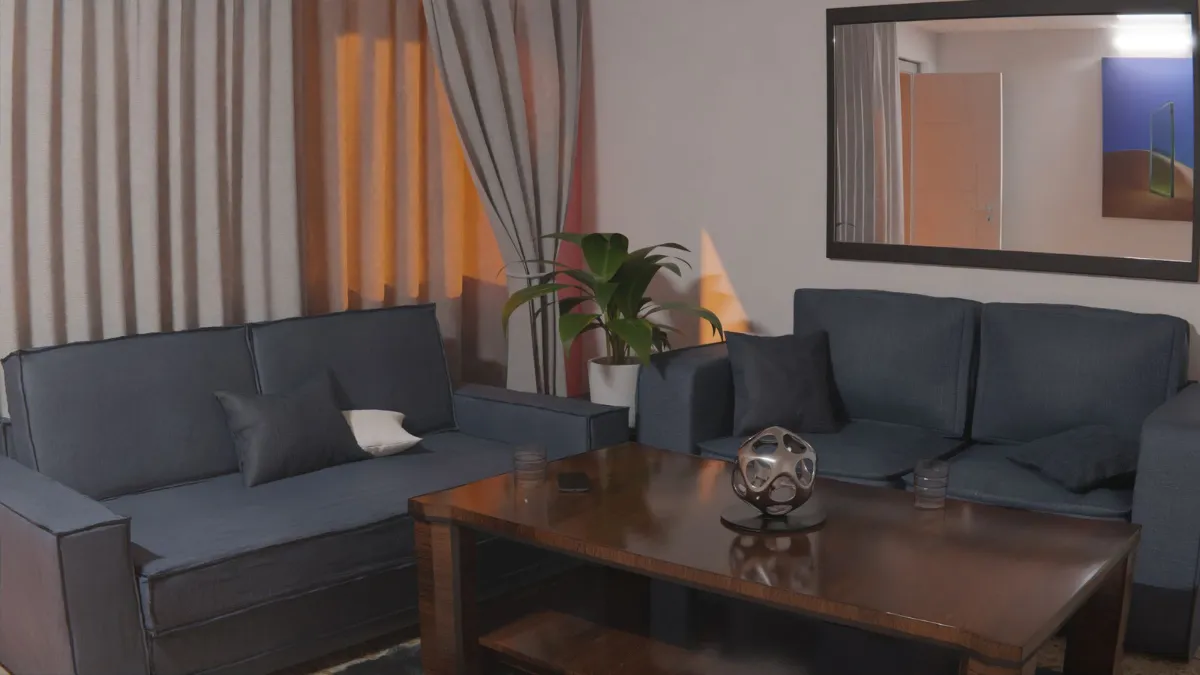
2-piece set: a sofa (three-seater) and a loveseat. Common for medium living rooms. 3-piece set: a sofa, loveseat and armchair. A classic formal arrangement. Sofa and two chairs: a conversation setup. Sectional set: a modular sectional plus an ottoman or chair. See the L-shaped couch, U-shaped sectional and modular sofa guides. Reclining set: sofa and loveseat with recliners. See the reclining sofa and leather recliner guides. Sleeper set: a sofa bed plus matching pieces. See the sofa bed couch guide.
| Set | Seats | Best for |
|---|---|---|
| Sofa + loveseat | About 5 | Medium rooms |
| Sofa + loveseat + chair | About 6 | Larger rooms |
| Sofa + 2 chairs | About 5 | Conversation areas |
| Sectional + ottoman | 5 or more | Open layouts |
Measure First
One retailer guide stresses measuring the room, plus doorways, ceiling height and packaging dimensions, so you do not face trouble when the furniture arrives. It also mentions checking diagonal depth, which can be a problem for sofas with curved backs or extra cushions.
- Measure the room length and width.
- Mark the furniture footprint on the floor with painter’s tape.
- Measure doorways, hallways, stairs and corners.
- Check the diagonal depth for tight turns.
- Check the packaging size with the seller.
- Check ceiling height if you plan tall pieces.
- Leave walkways. About 30 to 36 inches for main paths is common (general guideline).
- Leave space for a coffee table. See the wood coffee table guide.
For a small living room, a loveseat or a compact sectional is usually adequate. One source suggests at least 3.5 feet between two sofas facing each other, though that comes from a weak source.
Layout Ideas
L-shape: a sofa and loveseat at right angles. Opens toward the TV or window. Facing sofas: two seating pieces facing each other with a table between. Good for conversation. U-shape: sofa in the middle with two chairs at the ends. Floating: pieces away from the walls to create zones. A table behind the sofa finishes the look. See the couch table guide. Against the wall: saves space in small rooms. Around the TV: place seats at a comfortable viewing angle and distance.
Frame Quality
The frame is the skeleton of the sofa. One retailer comparison lists metal frames at 10 to 15 years of durability versus 3 to 5 years for softwood, which tends to warp and loosen over time. That figure comes from one retailer, so treat it as a rough comparison.
Look for: kiln-dried hardwood. Resists warping and cracking; plywood or engineered wood with good thickness; metal frames for light, strong builds; corner blocks, dowels and screws, not just staples; warranty on the frame.
Ask the seller what the frame is made from. If they cannot tell you, be careful.
Cushions and Comfort
Look for supportive seating, durable upholstery, well-padded cushions and a frame designed for everyday use.
Key points: high-resilience foam keeps shape longer; foam wrapped in fiber or down feels softer; spring systems. Sinuous springs or eight-way hand-tied springs support the seat; seat depth and height. Sit on the sofa. Your feet should reach the floor; back support. High backs support the head and neck; removable cushions can be flipped and rotated; test it in the store, if you can.
Fabric and Upholstery
One guide says to think about how much traffic your sofa gets, since that affects how quickly it wears. Consider cleaning, too.
Key points: performance fabric. Stain-resistant and good for kids and pets; leather. Wipes clean and ages well if good quality. See the leather couch and leather recliner guides; microfiber. Soft and easy to clean; linen and cotton blends. Breathable, but wrinkle and stain; velvet. Luxurious, but shows marks; boucle. Cozy, but can snag. See the boucle chair guide; removable, washable covers are practical.
Check the rub count (durability rating) if given.
Set vs Separate Pieces
Purchasing a total bundle often ensures a matching aesthetic and can save money. Selecting pieces individually allows more personalization and lets you mix fabrics and styles.
Buy a set if: you want a quick, matching look, you have a clear room plan and you want savings. Buy separate pieces if: you want a mixed, collected look, your room has odd dimensions or you want to upgrade pieces over time.
A middle path: buy a sofa and loveseat in the same fabric and choose a different armchair as an accent.
Styling Your Sofa Set
Throw pillows. A common suggestion is to use big cushions of 22 and 24 inches in the corners, with smaller pillows of 12 and 16 inches in the middle. Throw blankets add texture. A rug anchors the group. The front legs of the sofas should sit on it. See the washable area rugs guide. Side tables and lamps give surfaces. Art above the sofa. Keep the room balanced. Avoid overcrowding.
Care
Key points: vacuum cushions regularly; rotate and flip cushions; treat spills quickly; keep away from direct sun; follow the cleaning code on the tag; use a fabric protector, if the maker approves.
How to Choose a Sofa Set
Measure the room and doorways. Decide on the set type. Plan the layout. Check the frame material. Test the cushions and seat depth. Choose a fabric for your household. Check the warranty and return policy. Set a budget that includes delivery. Read reviews for notes on sagging and quality.
What mistakes should you avoid?
A few common mistakes are worth avoiding: not measuring doorways; buying a set too big for the room; choosing style over comfort; ignoring frame quality; picking a fabric that does not suit kids or pets; forgetting walkways.
Frequently Asked Questions
What comes in a sofa set?
Usually a sofa and loveseat, sometimes with a chair or ottoman.
How do I know if a sofa set will fit my room?
Measure the room and doorways, and tape out the footprint on the floor.
What frame is best?
Kiln-dried hardwood or metal are durable. Softwood may warp.
Is it cheaper to buy a set?
Often yes, but not always. Compare prices.
What fabric is best for a family?
Performance fabrics and leather are easy to clean.
How many pillows should I put on a sofa?
Three to five is common, with larger pillows in the corners.
Can I mix and match sofa pieces?
Yes. Pick a shared color or style to tie them together.
Conclusion
A sofa set gives you a matching, ready-made living room, but only if it fits. Measure carefully, plan the layout, check the frame, cushions and fabric and decide whether a set or separate pieces suit you best.
Take your time to test comfort and read the warranty. A well-chosen set can serve your family for many years.
Related guides
 Sofa with Chaise: Left vs Right Facing, Measuring and What to CheckA sofa with a chaise is a sofa with one extended seat where you can stretch out your legs. Left-facing and…Read more →
 Small Sofa Guide: Loveseat and Apartment Sofa Sizes (48 to 84 Inches), Arms, Depth and Fit for Small RoomsQuick answer: a small sofa can be a compact loveseat (about 48 to 58 inches wide and 30 to 34 inches deep) or…Read more →
 Chesterfield Sofa Guide: Tufting, Rolled Arms, Leather vs Velvet, History and How to StyleQuick answer: a chesterfield sofa is defined by deep button tufting, rolled arms upholstered to the same height…Read more →
 Couch Table Guide: Sofa Table Height, Width, Depth and Walkway SpaceWhen people search for a couch table, they often mean one of two things: a narrow table that sits behind the…Read more →