Oversized Recliner Guide: Seat Width, Weight Capacity, Wall Huggers and Big and Tall Fit
Quick answer: an oversized, or big and tall, recliner has a wider and deeper seat, a stronger frame and a higher weight rating than a standard recliner. Look for a seat width of about 26 to 30 inches, a rated capacity that comfortably exceeds your weight (often 400 pounds or more) and a footrest long enough for your legs.
This article is part of our accent chairs, recliners and seating guide, where you can compare related options.
A standard recliner can feel tight if you are broad-shouldered, tall or heavy. The arms pinch, the footrest stops short and the frame creaks. An oversized recliner fixes this with more room and stronger parts. But “oversized” is a marketing term, and specs vary. This guide explains the size and weight numbers to check, how mechanisms like wall huggers work, how to measure yourself and your room, which materials last and how to choose. This is not medical advice.
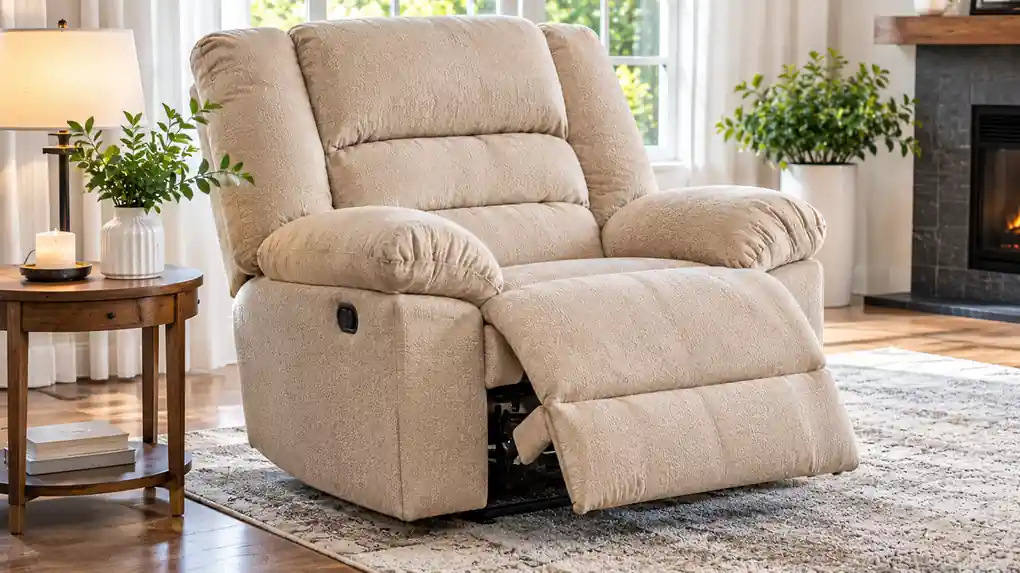
What Makes a Recliner Oversized?
An oversized recliner generally offers: Wider seat. One guide suggests at least 24 inches for a larger person, and ideally 26 inches or more for comfortable sprawl room. A true oversized or big and tall model typically ranges from 26 to 30 inches. Deeper seat to support long thighs. Higher back for tall users. Stronger frame and springs with a higher weight rating. Longer footrest for taller people. Wider arms.
Seat Width: How to Measure
One guide suggests measuring your widest hip point and adding 4 inches to find your minimum seat width. Steps:
- Sit on a hard chair and measure across your widest point (hips or thighs).
- Add 4 inches for comfort.
- Compare to the seat width listed, not the overall frame width.
One guide specifically recommends checking which one a listing is quoting: seat width and total frame width are different numbers. A recliner may have a 25-inch seat but a 36-inch overall width. Example: one wall-hugger leather recliner shows a 25.2 inch seat width.
Weight Capacity
Big and tall models as rated above 400 pounds. One guide advises checking the manufacturer’s stated rating and choosing a chair that comfortably exceeds your own weight, since overloading can damage the chair and create safety risks. A product example appears with capacities of 400 pounds in some roundups and 450 in others, so listings are not consistent.
Tips: Choose a rating well above your weight, to allow for movement and a safety margin. Check whether the rating covers the recline mechanism and footrest. Ask the maker if you are unsure. Check warranty terms on frame and mechanism.
Recliner Mechanisms
Manual recliner. Push back or pull a lever. Simple and reliable. Power recliner. Motorized, with buttons. Easier on the joints, but needs power and a cord. Wall hugger (wall-saver). These mechanisms slide the seat forward as the back reclines, so the chair can sit close to a wall. One source says they allow you to place the chair just 4 or 5 inches from the wall. Trade-off: one wall-hugger model is limited to about a 135 degree recline, which rules out fully flat napping. Rocker recliner. Rocks and reclines. Swivel recliner. Turns, a good option for small rooms. See the swivel accent chair guide. Lift chair. Raises you to standing. Often for medical needs. Ask a doctor. Zero-gravity recliner. Reclines to a position that lifts feet to heart level.
Footrest and Leg Length
A review of one wall-hugger recliner notes its footrest may be short for people over about 5 feet 11 inches. For tall users, check the footrest length and the distance from the seat to the end of the footrest, and consider a model with an extended footrest.
Room and Placement
Oversized recliners take space. Check: Overall width and depth of the chair. Depth when reclined. A standard recliner needs about 2 to 3 feet behind it to recline. A wall hugger needs only a few inches (4 to 5 inches per one source). Doorways and stairs. Measure so it can get into the room. Walkway around it. Placement near a TV for viewing. See the TV console table guide. Outlets for power recliners.
Materials and Comfort
Key points: leather and faux leather. Wipe-clean, durable if good quality; fabric and performance fabric. Soft, many options. See the couch covers for dogs and kids couch guides for washable fabrics; high-density foam. Holds shape longer; solid hardwood frame. Stronger than particleboard; steel mechanism. Check gauge and welds; padded arms and headrest. Adds comfort; lumbar support.
Heavy users should avoid thin foam, since it flattens quickly.
Safety
Keep children and pets from the footrest mechanism. Do not overload or sit on the footrest if it is not rated. Check bolts and springs now and then. For power recliners, use the supplied cord and keep it out of walkways. Ask a doctor if you have mobility or heart conditions and want a lift or zero-gravity chair.
What are the main strengths and weaknesses?
On the plus side: fits larger bodies comfortably; strong frames; many mechanisms; good for long TV sessions. On the downside: large and heavy; costly; specs can be inconsistent; wall huggers may limit recline.
How to Choose an Oversized Recliner
Measure your hips and add 4 inches. Check your height and leg length. Choose a weight rating well above your weight. Check seat width vs overall width. Choose a mechanism: manual, power or wall hugger. Check the footrest length. Measure the room, doorways and recline clearance. Check materials and warranty. Read reviews from people of your size. Check the return policy.
What mistakes should you avoid?
A few common mistakes are worth avoiding: confusing seat width with overall width; choosing a weight rating too close to your weight; ignoring recline clearance; choosing a footrest too short; not measuring the doorway; trusting dated roundup specs.
Frequently Asked Questions
How wide should an oversized recliner seat be?
About 26 to 30 inches. Measure your widest hip point and add 4 inches.
What weight capacity should I look for?
Big and tall models are often rated above 400 pounds. Choose one that comfortably exceeds your weight.
What is a wall-hugger recliner?
A recliner whose seat slides forward as it reclines, so it can sit 4 to 5 inches from the wall.
Do wall huggers recline fully?
Some, like one reviewed model, are limited to about 135 degrees.
Are power recliners better?
They are easier to operate but need power. Choose based on your needs.
How do I know the specs are accurate?
Check the manufacturer’s listing. Roundups may be dated.
Conclusion
An oversized recliner should fit your body, have a strong frame and a rating above your weight. Measure your hips, check seat width, not just overall width, and confirm the footrest, mechanism and recline clearance.
Verify specs on the manufacturer’s page and use the return policy if you can. Then your recliner will be a comfortable seat for years.
Related guides
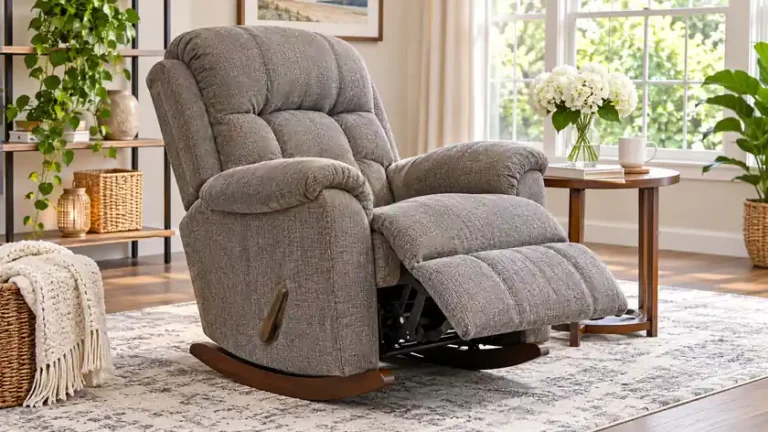 Rocker Recliner: Rocker vs Glider, Swivel Options and Whether It Suits a NurseryA rocker recliner combines a rocking or gliding motion with a reclining back and footrest. Rockers move in an…Read more →
 Swivel Recliner Guide: Rocker and Glider Options, Clearance, Weight Capacity and Small Room FitQuick answer: a swivel recliner turns on its base and reclines, and some also rock or glide. Most residential…Read more →
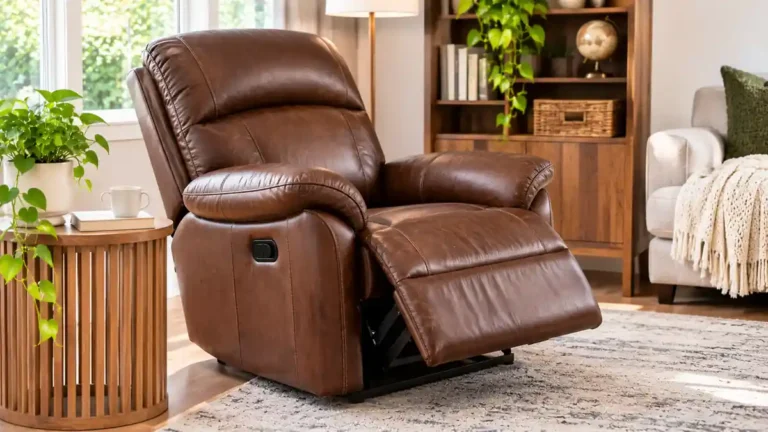 Leather Recliner Guide: Top Grain vs Bonded Leather, Power vs Manual, Care and DurabilityA leather recliner is the chair many people picture when they think of comfort: you sink in, lean back and put…Read more →
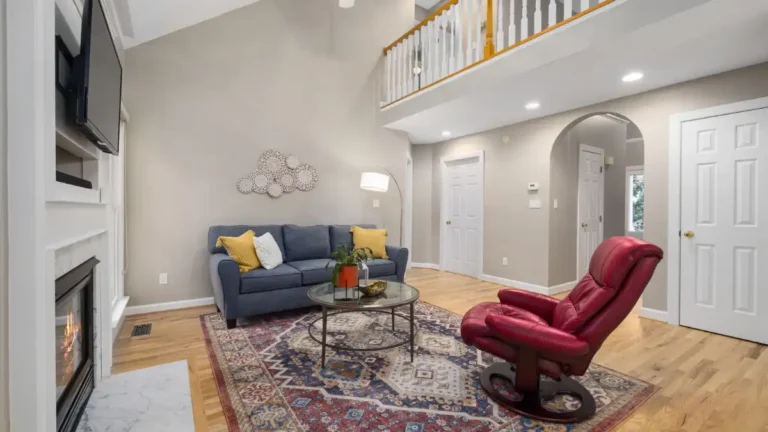 Loveseat Recliner Guide: Wall-Hugger Clearance, Console Models, Dimensions and Power vs ManualQuick answer: a loveseat recliner is a two-seat sofa where each seat reclines. Wall-hugger models need only…Read more →