Swivel Chair: Types, Base Styles, Size and How to Choose
A swivel chair turns, so you can face the TV, the window or a friend without moving the chair. That small feature makes it a favorite in living rooms, offices, nurseries and reading corners. It also adds things to check: the base, the mechanism and the room you need to turn.
This article is part of our accent chairs, recliners and seating guide, where you can compare related options.
A swivel chair is a chair that rotates on a base. Some turn a full circle, and some turn only part of the way. Office swivel chairs often have wheels and height adjustment. Home swivel chairs may sit on a round or flat base and look like a regular accent chair.
This guide explains the types of swivel chairs, how bases and mechanisms differ, how much space you need, what to check about weight capacity and floors and how to choose one. My search results were low quality for this topic, so this guide sticks to general, cautious advice. You’ll also find a comparison table, a checklist and answers to common questions.
Types of Swivel Chairs
Sources group swivel chairs by use.
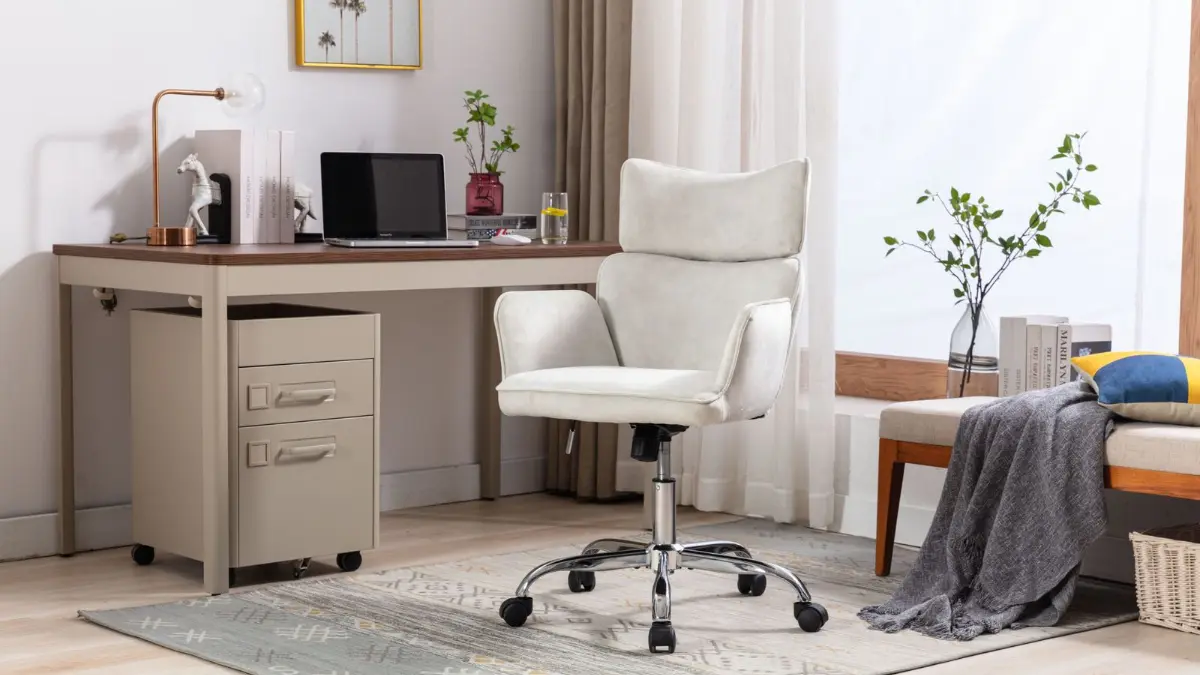
Office swivel chairs: designed with lumbar support, adjustable armrests and breathable mesh or leather upholstery. Many have wheels and height adjustment. Home and lounge swivel chairs: soft fabrics and a more decorative look. Often have a stationary base with a swivel top. Swivel barrel chair: a rounded, wraparound back that feels cozy. Swivel glider: rocks and swivels. Often used in nurseries. Swivel recliner: a separate category, with a rotating base, usually built into a round pedestal or plinth, and a reclining function. Heavy-duty swivel chair: reinforced frame for higher weight capacity. Ergonomic swivel chair: tilt and height adjustment for long sitting. Compact swivel chair: for small spaces and tight corners. Swivel bar stool: taller, for counters.
| Type | Best for | Watch out for |
|---|---|---|
| Office swivel | Desk work | Not decorative |
| Lounge swivel | Living rooms | Base stability |
| Barrel | Cozy reading | Size |
| Glider | Nurseries | Space to rock |
| Swivel recliner | TV rooms | Clearance |
| Compact | Small spaces | Smaller seat |
Base and Mechanism
The base affects stability and how the chair moves. Base types, such as five-star and four-star bases, affect stability and mobility. A five-star base provides a wider footprint, improving stability and support. Five-point casters with rubber feet are said to provide stability on multiple floor types, preventing movement or tipping.
Other common designs include pedestal bases, wooden legs with a concealed swivel mechanism and flat plate bases. The base affects both stability and looks.
What to check: Smoothness. The swivel should rotate smoothly and silently. Try it in the store if you can. Stability. The chair should not wobble when you turn. Locking or return-to-center. Some swivels return to the front, which is helpful in a living room. Seat height adjustment. Common on office chairs. Tilt and recline. Optional features.
How Much Space Do You Need?
The most concrete guidance in the sources is to leave at least 18 inches between the chair and any surrounding furniture or walls. Measure the seat size and the clearance needed for rotation. A chair that swivels needs a circle of free space around it.
Think about the arms and back, which stick out when you turn. A large chair with wide arms needs more space than a slim one. If you plan to put the chair next to a table, make sure it clears the table edge as it turns.
Weight Capacity
Check the maker’s weight rating. One source suggests the usual range is about 250 to 300 pounds for standard chairs, with heavy-duty models rated higher. Pick a rating comfortably above the heaviest user. Remember that dynamic loads, like plopping down, put more stress on the chair than sitting gently.
Comfort and Fit
Check that the chair fits your height and leg length. The back should give adequate support. Seat depth matters: you should have a small gap behind your knees. Armrests should support your arms without lifting your shoulders.
For long sitting, look for good lumbar support. For lounging, deep cushions and a high back are nice. For desk use, adjustable height and arms matter.
Floors and Noise
My sources said little about floor protection or noise. These are general tips.
Hard floors. Use soft-wheel casters or felt pads under a base to avoid scratching. Rubber feet on a pedestal base can grip. Carpet. Standard casters work, but a chair mat helps office chairs roll. Noise. Squeaks usually come from loose bolts or dry bearings. Tighten the hardware and check the swivel mechanism. Some mechanisms can be lubricated, if the maker allows. Wear. Rotating a chair over and over can wear a carpet. A chair mat or rug protects it.
How to Choose a Swivel Chair
Decide on the use. Desk, lounge, nursery or TV room? Measure the space and leave at least 18 inches around it. Pick the type. Office, lounge, barrel, glider or recliner. Check the base. Wide and stable. Five-star for rolling chairs. Test the swivel. Smooth and quiet. Check the weight capacity. Check the comfort. Seat depth, back support and arms. Choose upholstery to suit your household. Protect your floors. Read reviews for notes on squeaks and durability.
Care and Maintenance
Vacuum the seat and crevices regularly. Wipe spills right away. Check bolts and screws every few months and tighten them. Clean casters and the base. Lubricate the swivel mechanism if the maker advises. Avoid spinning children on the chair, which can strain the mechanism.
What mistakes should you avoid?
A few common mistakes are worth avoiding: not leaving room to turn (the arms hit furniture); choosing a narrow base (the chair can tip); ignoring the weight limit (mechanisms can fail); skipping floor protection (hard floors scratch); buying a chair with a rough swivel (it will annoy you daily); forgetting seat depth (a bad fit causes strain).
Frequently Asked Questions
What is a swivel chair?
A chair that rotates on a base, so you can turn without moving the chair.
What is the best base for a swivel chair?
A wide base is more stable. For rolling chairs, a five-star base gives a wider footprint than a four-star base.
How much space does a swivel chair need?
At least 18 inches between the chair and surrounding furniture or walls, according to one source.
How much weight can a swivel chair hold?
Many hold about 250 to 300 pounds. Heavy-duty chairs are rated higher. Check the maker’s rating.
Will a swivel chair scratch my floor?
It can. Use rubber feet, soft casters or felt pads, and consider a chair mat.
Why does my swivel chair squeak?
Often loose bolts or a dry mechanism. Tighten the hardware and follow the maker’s care guide.
Conclusion
A swivel chair adds flexibility to any room. Choose the type that fits your use, from office swivels to lounge chairs and gliders, and check the base, the swivel action and the weight rating.
Leave room to turn, protect your floors and test the chair for comfort. With a stable base and a smooth swivel, the chair will be a handy part of your home.
Related guides
 Swivel Accent Chair Guide: Size, Seat Height, Clearance, Base, Floor Protection and PlacementQuick answer: a swivel accent chair is a single chair on a rotating base. Pick a width of about 28 to 36 inches…Read more →
 Club Chair: What It Is, Typical Sizes, Leather Styles and Club Chair vs ArmchairA club chair is a deep, low-backed, heavily upholstered lounge chair, traditionally covered in leather. One…Read more →
 Barrel Chair: Dimensions, Styles, Swivel Options and How to Place OneA barrel chair is an upholstered armchair with a rounded, curved back that wraps around the sitter like the…Read more →
 Sleeper Chair Guide: Sizes, Comfort, Sleeper Chair vs Sofa Bed and How to ChooseA sleeper chair is a chair by day and a small bed by night. It fits in rooms where a sofa bed would be too big:Read more →