Book Shelf: Types, Sizing, Anchoring and How to Choose
A book shelf does more than hold books. It organizes your space, shows off the things you love and can turn a blank wall into the best part of a room. But a shelf is also a tall, heavy piece of furniture, so it needs to be sturdy and secure.
This article is part of our shelves, bookcases and storage furniture guide, where you can compare related options.
A book shelf, also called a bookcase, is a piece of furniture with horizontal shelves for books and other items. Some stand freely on the floor. Others are built into a wall or hang from it. Shelves can be open, closed with doors or a mix of both.
This guide explains the main types of book shelves, how to choose the right size, which materials last and why anchoring matters for safety. You’ll also find a comparison table, a buying checklist and answers to common questions.
Types of Book Shelves
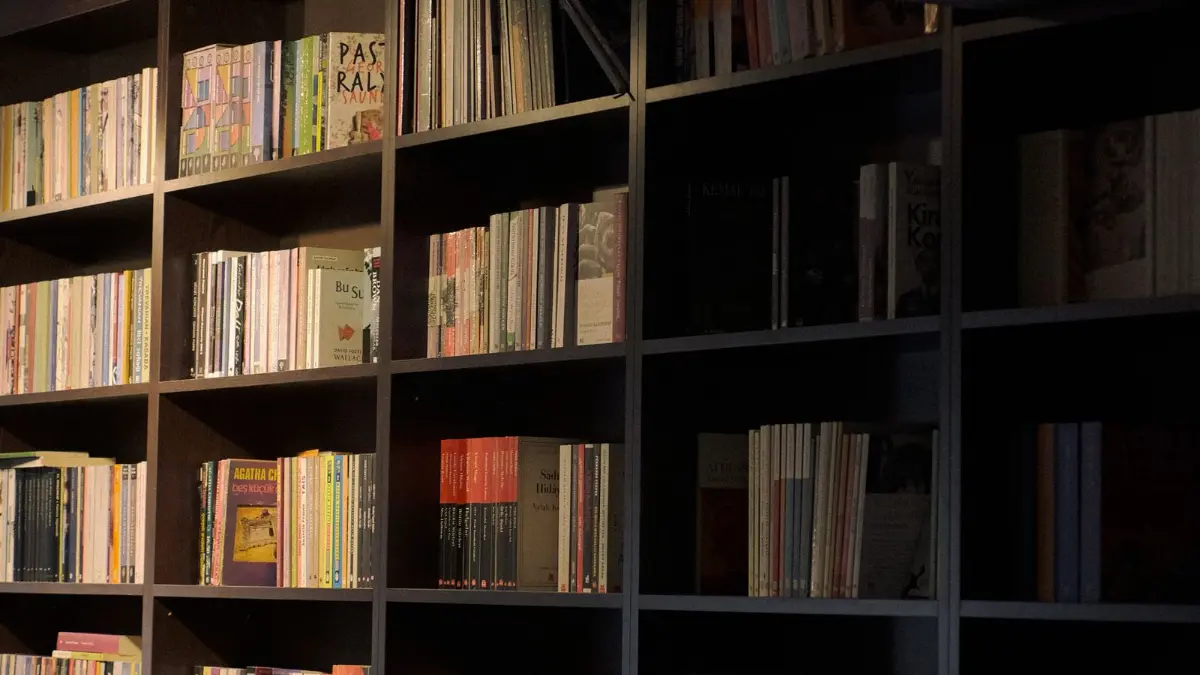
Freestanding bookcase: the classic. It stands on the floor and can be moved. It comes in many heights and widths. Ladder shelf: a leaning shelf with sloped sides, like a ladder. It takes up less floor space at the top but needs a stable base. It leans on the wall, so check the maker’s guidance. Corner shelf: made to fit into a corner. Good for using a small, awkward area. Wall-mounted shelf: a shelf that hangs from the wall. It saves floor space but needs strong mounting. Floating shelf: hidden brackets give a clean look. These work best for light loads. Cube organizer: a grid of square cubbies. Good for kids’ rooms, since you can mix books, toys and bins. Built-in shelves: made to fit a wall or alcove. They cost more but use every inch. Bookcase with doors or drawers: closed storage hides clutter and protects items from dust. Room divider shelf: an open shelf that separates two areas.
| Type | Best for | Watch out for |
|---|---|---|
| Freestanding | Most rooms | Must be anchored |
| Ladder | Small floor space | Stability |
| Corner | Tight corners | Limited shelf width |
| Wall-mounted | Saving floor space | Needs strong mounting |
| Cube organizer | Kids, mixed storage | Cubes may be shallow |
| Built-in | Custom fit | Cost |
Why You Must Anchor a Book Shelf
Tall furniture can tip over, and the results can be tragic. The U.S. Consumer Product Safety Commission (CPSC) recommends anchoring furniture such as bookcases and dressers to a wall. Its message to parents and caregivers is to start by anchoring TVs and furniture securely.
Anti-tip kits are inexpensive. A CPSC chair noted that even furniture without a kit can be fitted with one from a hardware store for $20 or less. A recent recall involved bookcases that were unstable if not anchored to the wall, and a child died in a tip-over incident. The CPSC advised owners to stop using an unanchored unit and keep it away from children.
Other safety tips from the guidance: Anchor every tall shelf, even if you have no children. Pets and earthquakes are risks too. Don’t put toys, remotes or other tempting items on top of furniture where children might climb. Place heavier items on the lower shelves to keep the center of gravity low. Don’t let children climb on the shelves.
Use the hardware that comes with your shelf, and screw into a stud when you can. If you can’t reach a stud, use heavy-duty wall anchors rated for the load.
How to Choose the Right Size
Start with the wall or space where the shelf will go. Measure the width, height and depth available. Leave space around the shelf for doors, outlets and vents.
Think about what you plan to store. Standard paperbacks and hardcovers fit most shelves, but large art books, binders and boxes need taller and deeper shelves. Measure your tallest items and check the shelf spacing. Adjustable shelves give you the flexibility to change the spacing later.
Consider the room’s scale. A tall, narrow shelf feels light in a small room. A wide, low shelf works well under a window or behind a sofa. A large wall can handle a big bookcase or two shelves side by side. The sources I found didn’t give standard shelf dimensions, so rely on the product listing and your own measurements.
Materials and Build Quality
Solid wood: strong, long lasting and can be refinished. It costs more and is heavy. Engineered wood (MDF or particleboard): lower cost and available in many finishes. It can sag under heavy loads if the shelves are long and thin. Check the weight limit per shelf. Metal: strong and slim. It suits modern and industrial styles. Glass shelves: look light, but need careful loading. Plywood: a good middle option for strength and cost.
Look closely at the back panel and the joints. A thin back panel can make the shelf wobble. Strong connectors and cam locks should feel tight. Check the weight rating per shelf and for the whole unit. Books are heavy, and a long shelf with no center support can bow over time.
How to Style a Book Shelf
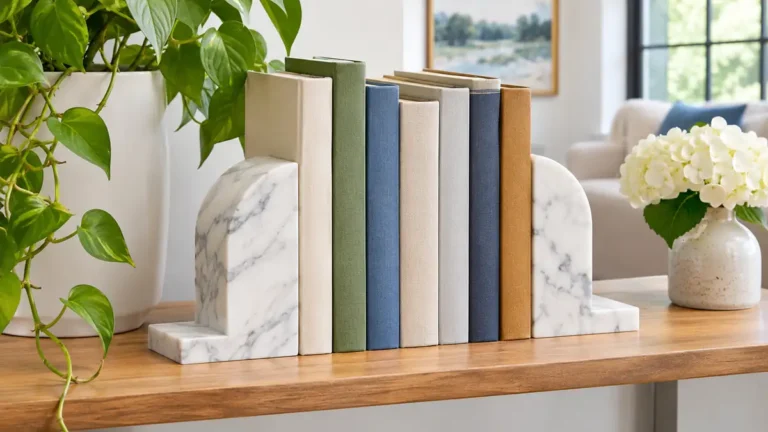
A good shelf looks tidy but not stiff. Mix books with other items like plants, frames, baskets and small decor. Stack some books horizontally and some vertically to break up the lines. Group items in odd numbers and vary the heights.
Leave some empty space so the shelf can breathe. Use baskets or boxes for items that look messy. Put heavier items on the lower shelves. If you like color, arrange books by color for a bold look, or by size for a calm one.
Lighting makes a difference. A small lamp nearby or LED strips inside the shelf can highlight your favorite pieces.
How to Choose a Book Shelf
Measure your space. Include height, width and depth. Decide what you’ll store. Books, decor, toys or a mix. Pick the type. Freestanding for flexibility, corner for tight spots, cube for kids. Check the weight rating. Per shelf and overall. Check the materials. Solid or well-made engineered wood lasts longer. Look at adjustability. Moveable shelves handle different item sizes. Plan for anchoring. Make sure the shelf includes wall anchors, or buy a kit. Match the style. Think about color and finish. Read reviews. Look for notes on wobbling and assembly. Check the warranty. Look for coverage on defects.
What mistakes should you avoid?
A few common mistakes are worth avoiding: skipping the wall anchor (this is the biggest safety mistake); overloading a shelf (check the weight rating); putting heavy items on top (this makes the unit top-heavy); ignoring the floor (on carpet or an uneven floor, shelves can lean. Use shims or leveling feet); buying a size without measuring (a shelf that’s too tall for the room can hit the ceiling or block vents).
Frequently Asked Questions
Do I need to anchor a bookshelf to the wall?
Yes. The CPSC recommends anchoring bookcases and similar furniture to prevent tip-overs. Anti-tip kits are inexpensive.
What is the difference between a bookcase and a bookshelf?
They mean nearly the same thing. A bookcase is the whole unit. A shelf can mean a single board or the unit.
How much weight can a book shelf hold?
It depends on the model, the material and the span. Check the maker’s weight rating per shelf.
What is the best material for a book shelf?
Solid wood and plywood are strong. Engineered wood is cheaper but can sag if loaded heavily. Metal is strong and slim.
How do I stop a bookshelf from wobbling?
Make sure it’s assembled correctly, tighten the hardware, level the floor and attach it to the wall.
Where should I put a book shelf?
Common spots are living rooms, offices, bedrooms and hallways. Avoid blocking vents, doors and outlets, and keep it away from direct sunlight to protect books.
Conclusion
A book shelf is both a storage tool and a style piece. Choose a type that fits your space, such as a freestanding bookcase, a corner unit or a cube organizer, and check the materials and weight rating.
Most importantly, anchor it to the wall. The CPSC recommends it, and a kit costs little. With the right shelf and a secure setup, you’ll have a safe, organized place for your books and favorite things.
Related guides
 Book Stand Guide: Cookbook Holders, Reading Stands, Materials, Angles and How to ChooseQuick answer: a book stand holds a book, cookbook or tablet upright at a readable angle. Choose bamboo or wood…Read more →
 Trinket Shelf Guide: Small Display Shelves for Collectibles, Sizes, Weight Limits and StylingA trinket shelf is a small shelf made to hold small treasures: tiny figurines, crystals, candles, keepsakes,…Read more →
 Wall Shelf: Types, Anchors, Weight Capacity and Installation TipsA wall shelf is one of the easiest ways to add storage and style. It holds books, plants, photos and everyday…Read more →
 Rocker Recliner: Rocker vs Glider, Swivel Options and Whether It Suits a NurseryA rocker recliner combines a rocking or gliding motion with a reclining back and footrest. Rockers move in an…Read more →