Triple Bunk Bed Guide: Safety Rules, Layouts, Guardrails, Ceiling Height and Who It Suits
A triple bunk bed sleeps three people in the space of about one. It is popular in shared kids’ rooms, vacation homes, dorms and cabins. If you have three children and one bedroom, a triple bunk can save a lot of floor space. But a triple bunk is also a tall, heavy structure, and the top bunk can sit high above the floor. Safety is the main issue, not style.
This article is part of our bed frame guide, where you can compare related options.
A triple bunk bed is a bed system with three sleeping surfaces. It may be a vertical stack of three beds, an L-shaped set with two stacked beds and one perpendicular, or a twin-over-full bunk with a trundle. This guide explains the common layouts, the federal safety rule for bunk beds, guidance on guardrails, age and mattresses, what to check about ceilings and ladders, how to choose and how to set one up safely. The authoritative sources I found were the Consumer Product Safety Commission (CPSC) and Federal Register notices. They did not cover ceiling height, L-shaped dimensions or ladder design, so I mark those parts as general knowledge. This is not safety certification advice. Read the CPSC site and the manufacturer’s manual.
Common Triple Bunk Layouts
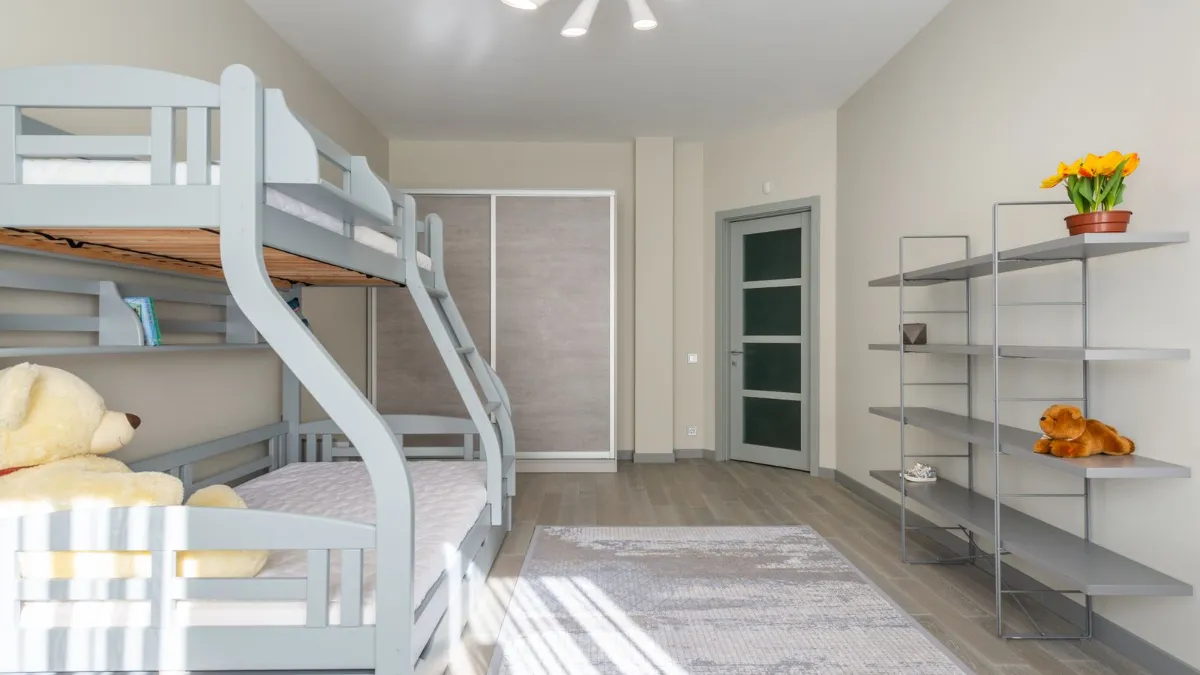
Vertical triple bunk: three beds stacked, one over the other. Needs very high ceilings, and the top bunk is far from the floor. Many safety guides advise against it for children. Check availability and the maker’s rules. L-shaped triple bunk: two beds stacked, with the third at a right angle, either low or at the mid-level. It keeps heights lower and uses floor space in an L. Triple bunk with trundle: a twin-over-twin bunk with a pull-out trundle bed below. The third bed rolls out. Triple bunk with a staircase: a stair-style access with storage drawers. Safer than a vertical ladder for some children, though heavier. Convertible triple bunk: separates into individual beds or smaller bunk sets. Twin-over-full with a twin: mixed sizes.
| Layout | Height | Floor space | Note |
|---|---|---|---|
| Vertical triple | Very tall | Small | Needs very high ceilings; check safety |
| L-shaped | Lower | Larger | Common |
| Bunk plus trundle | Moderate | Pull-out space | Third bed is low |
| With staircase | Moderate | Larger | Storage built in |
The Federal Bunk Bed Rule
The CPSC’s mandatory bunk bed rule is codified at 16 CFR Parts 1213 and 1513. A Federal Register notice says the rules followed earlier industry guidelines from 1989 that required two guardrails to accompany a bunk bed. A separate summary says that since June 19, 2000, new bunk beds made for non-institutional use must have guardrails that comply with the CPSC standard.
What this means in practice: Look for a bunk bed that states it meets the CPSC requirements. Don’t buy an old or secondhand bunk that does not meet the rules, or one with missing parts. Read the manufacturer’s label and manual. If you are unsure, check CPSC.gov.
I could not find a specific federal rule for triple bunk beds in these results. Triple bunks may be covered under the same bunk bed requirements or voluntary industry standards. Ask the maker which standards the bed meets.
Guardrails
Guardrails stop a sleeper from rolling out.
A Singapore retailer guide says guardrails generally need to sit about 5 inches above the mattress top. I could not confirm this figure against the CPSC text, so check the regulation itself before relying on it. A commercial guide notes that a thicker mattress reduces the effective guardrail height. Use only the mattress thickness the maker allows. Guardrails should be on both sides of upper bunks, or on the open side with the other side against the wall, according to the maker’s manual. Beds can shift away from the wall, so do not rely on the wall alone. Guardrails must be firmly attached and never removed.
Age Guidance
Retailer and blog sources say the top bunk is generally not recommended for children under 6. One guide says some styles are considered safe for children over 5, but manufacturer guidelines should be followed. These are not official CPSC age limits. Always follow the manufacturer’s age rules, and think about your child’s coordination and maturity.
Practical points: Put the youngest child on the bottom bunk or the trundle. Do not allow horseplay. Don’t let more than one child at a time on the top bunk. Check weight limits per bunk. Consider whether your child has sleepwalking or other safety needs. Ask a doctor.
See the kids bed guide for loft and bunk age guidance.
Entrapment
Gaps and openings in bed frames can trap a child’s head or neck. Federal rules for bunk beds aim to limit dangerous openings. Check: gaps between guardrails and the bed frame; gaps between slats; ladder spacing; spaces between the mattress and frame. Use the correct mattress size; gaps between the bed and the wall.
Follow the manufacturer’s manual.
Mattresses
A commercial guide suggests a twin-size mattress for each bunk, but that is not an official specification. Check the mattress size listed in the manual. Use the correct thickness so the guardrail height is effective. Lightweight foam mattresses are easier to handle. See the how to choose a mattress and mattress cover guides. For the bottom bunks, a mattress protector is helpful.
Ceiling Height and Placement
Measure the room’s ceiling height and the bed’s total height. Leave enough space above the top bunk so the sleeper does not hit the ceiling or fan when sitting up. Many manufacturers recommend a minimum clearance, so check the manual. Avoid placing bunk beds under ceiling fans, lights or sprinklers. Keep the bed away from windows, blind cords and heaters. Place on a flat, level floor. Leave space for climbing in and out and to make the beds. Check the floor strength for heavy beds.
For rooms with standard ceilings (around 8 feet), an L-shaped or a bunk-plus-trundle may fit better than a vertical triple.
Ladders and Stairs
Key points: wide, flat rungs are easier to use than round ones; stairs with handrails can be safer than ladders for some children; ladders should be attached securely; non-slip steps; do not let children jump from the top bunk; use a night light. Night falls are common.
Weight Capacity and Build Quality
Key points: check the weight limit for each bunk; look for solid wood or strong metal frames; check the slats and the center support; tighten all bolts regularly; check for wobble; avoid putting heavy items on the top bunk.
See the wood bed frame guide for slat and weight guidance.
Setup and Care
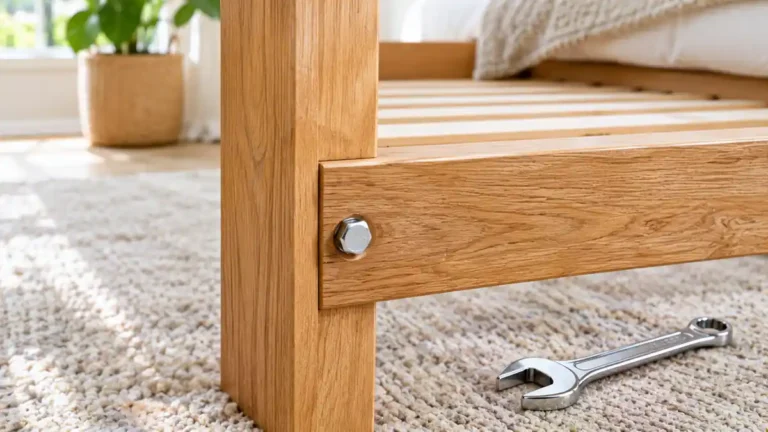
Key points: read the instructions carefully; use two adults to assemble; do not skip any hardware; re-tighten bolts after the first week and then regularly; inspect for cracks and loose parts; replace damaged parts with the maker’s parts; keep a copy of the manual; don’t hang items from the bed, which can create strangulation risks.
Who Is a Triple Bunk Bed For?
Key points: three kids sharing a room; cabins and vacation homes; sleepover-heavy households; small rooms that need to fit more beds.
It is less suitable for toddlers, very young kids and rooms with low ceilings. For adults, see the bunk beds guide for adult-rated options, and check weight limits.
Alternatives
Key points: double bunk plus a daybed. See the daybed with trundle guide; loft bed with a desk. See the kids desk guide; trundle bed; separate beds in a smart layout. See the small bedroom ideas guide; storage beds. See the storage bed guide.
How to Choose a Triple Bunk Bed
Measure the room and ceiling height. Check that the bed meets CPSC requirements. Choose a layout: L-shaped, trundle or vertical. Check guardrails and the mattress thickness allowed. Check age and weight guidance. Check ladders or stairs. Check materials and build quality. Plan mattresses and bedding. Plan delivery and assembly. Read reviews for stability.
What mistakes should you avoid?
A few common mistakes are worth avoiding: putting a young child on the top bunk; using a thicker mattress than allowed; skipping guardrails; ignoring ceiling clearance; not tightening bolts; buying a secondhand bunk with missing parts.
Frequently Asked Questions
Are triple bunk beds safe?
They can be if they meet safety requirements, are assembled correctly and used according to the maker’s age and weight guidelines.
What age can sleep on the top bunk?
Not under 6. Follow the manufacturer’s rules.
How high should guardrails be?
One retailer guide says about 5 inches above the mattress top. Verify with the CPSC rule.
What mattress should I use?
The size and thickness the maker specifies. A thicker mattress reduces effective guardrail height.
Do triple bunk beds need special ceilings?
Vertical triples need high ceilings. Check the maker’s clearance rules.
Are there federal rules for bunk beds?
Yes. The CPSC has mandatory bunk bed rules at 16 CFR Parts 1213 and 1513.
Conclusion
A triple bunk bed can solve a space problem, but safety must come first. Choose a layout that fits your ceiling height, look for a bed that meets federal bunk bed requirements, follow the age and weight guidance and check guardrails, ladders and mattress thickness.
Assemble it carefully, tighten the hardware regularly and keep the youngest child on the lowest bunk. With the right setup, three kids can share a room safely.
Related guides
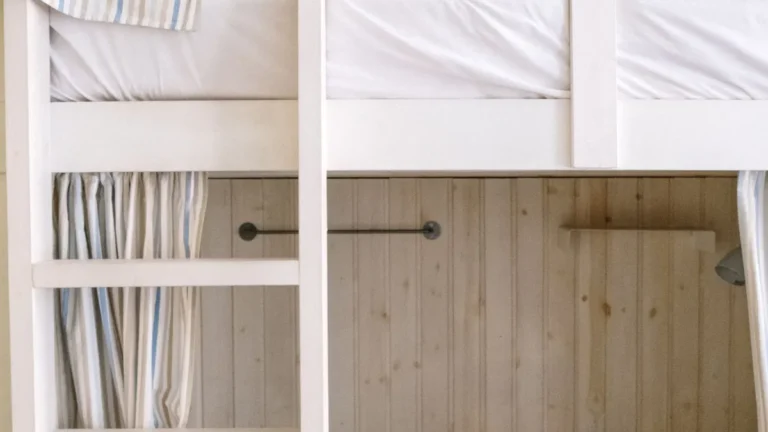 Bunk Beds: Types, Safety Rules and How to Choose the Right OneBunk beds save floor space and give kids a fun place to sleep. They re a classic choice for shared rooms,…Read more →
 Bunk Beds for Adults: Weight Ratings, Frames, Guardrails, Slats and Safety ChecksAdults share bedrooms more often than people think: college roommates, hostels, cabins, vacation homes,…Read more →
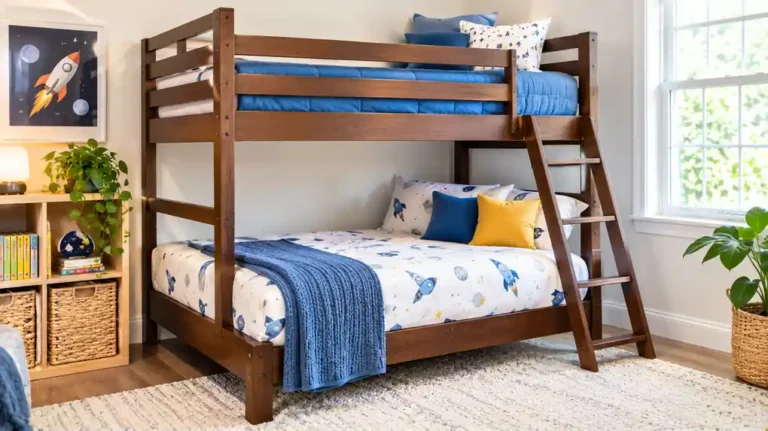 Twin Over Full Bunk Bed Guide: Dimensions, Weight Limits, Guardrails and Safety ChecksQuick answer: a twin over full bunk bed has a twin mattress (38 by 75 inches) on top and a wider full mattress…Read more →
 Bed in a Bag: What’s Included, Sizes and How to Check QualityA bed in a bag is a full set of bedding sold as a single purchase. It usually includes a comforter, a fitted…Read more →