
Walk-In Bathtub Guide: Costs, Slow Filling, Leaks, Medicare Coverage and Safety
Quick answer: a walk-in bathtub has a watertight door in the side so you step in instead of climbing over the wall. Cost guides range from about $1,500 to $5,000 for a standard tub and up to $20,000 for custom combinations, with installation able to double the price. They help prevent falls, but they fill and drain slowly, the door seal is the typical leak point and Original Medicare generally does not pay.
This article is part of our bathtub guide, where you can compare related options.
For people with limited mobility, stepping over a tub wall can be risky. A walk-in tub lets you enter through a low door, sit on a built-in seat and bathe. But walk-in tubs are expensive, slow and not for everyone. This guide explains how they work, costs, pros and cons, leaks and filling time, Medicare and other help, installation and alternatives. Sources included Angi, This Old House, ConsumerAffairs and senior-living sites, some with commercial interests. Cost and coverage figures conflict, and the search did not confirm current 2026 Medicare rules. This is not medical, legal or financial advice. Check coverage with the plan or state program.

How a Walk-In Tub Works
A walk-in tub has a door on the side. You open the door, step in, sit on a built-in seat, close and latch the door, then fill the tub. After bathing, you must wait for the water to drain before opening the door. Features may include: built-in seat; grab bars; non-slip floor; hydrotherapy jets (air or water); quick drain and heated seat (options); low-threshold doors.
Costs
Estimates differ.
One source says a standard walk-in tub can easily cost $1,500 to $5,000, while higher-end models might go for $10,000 or more. Another puts the range at $3,500 for a basic, small alcove-style model to $20,000 for a custom combination bathtub. Installation is a major added expense: one guide notes it can easily double this amount.
The Senior List, Retirement Living and Fixr publish walk-in tub price guides. Costs depend on model, size, jets, plumbing changes and bathroom work. Get at least three quotes. See the bathroom remodel cost guide for broader budgeting.
Pros
Fall prevention. Sources emphasize that these tubs help seniors avoid falls and remove the need for a sliding shower door. Seated bathing. A built-in seat and grab bars. Hydrotherapy. Jets and deep seats are cited as benefits for seniors with chronic pain. I did not verify medical claims, so ask a doctor. Independence. More people can bathe on their own.
Cons
High upfront cost. Slow fill and drain. You wait inside while it fills, and you wait for it to drain before exiting. Water can cool while you wait. Models with fast drains or heated seats help. Leaks or malfunctions. Reviews of specific brands mention leaks and other installation issues. The door seal is the typical leak point, though I did not find a source that addresses seal failure specifically. Space. Can take up a lot of bathroom space. Hot water demand. Deep tubs need lots of water. Check your water heater. Not for everyone. Some users cannot sit and stand easily. Ask an occupational therapist.
Medicare, Medicaid and Other Help
Original Medicare generally does not pay. One source says Medicare does not usually cover the cost of walk-in tubs. An exception is when a tub qualifies as durable medical equipment. Even then, Part B will only cover 80 percent of the Medicare-approved amount, and only if both your doctor and DME supplier are enrolled in Medicare. Some Medicare Advantage plans may cover them, depending on the plan. Some state Medicaid programs may cover the cost. Veterans may qualify for VA grants. One source says you may qualify for a tax deduction if you install a tub for a medically necessary safety reason.
The search did not turn up current 2026 Medicare or Medicaid rules, so confirm coverage directly with the plan or state program before buying. Ask a tax professional about deductions. This Old House has a page on whether Medicare will pay for walk-in tubs.
Installation
Installation involves:
- Removing the old tub or shower.
- Adjusting plumbing and drain.
- Placing and securing the tub.
- Electrical work for jets and heaters (if any).
- Wall surrounds and waterproofing.
- Testing for leaks.
Hire licensed pros. Check the warranty on the door seal, jets and labor. Companies offer free in-home quotes, but compare. Beware of high-pressure sales.
Alternatives
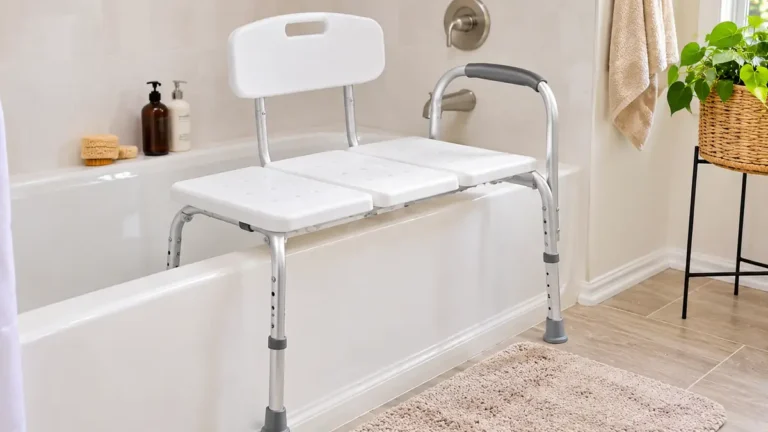
Walk-in shower or curbless shower. See the curbless shower and shower pan sizes guides. Shower seat and grab bars. See the shower seat guide. Tub transfer bench. Standard tub with a door cut-in or a step-in conversion. Conversions are available from companies like Bathfitter. See the tub shower combo guide. Japanese soaking tub. See the japanese soaking tub guide for deep soaking.
Angi compares walk-in showers and tubs and lists pros and cons of walk-in tubs.
Safety Tips
Key points: test the water temperature before entering; don’t open the door until the water has drained; use the grab bars; don’t use jets if you have medical conditions without asking a doctor; keep a phone or call button within reach; make sure the floor is non-slip; maintain the door seal.
What are the main strengths and weaknesses?
| Aspect | Pro | Con |
|---|---|---|
| Safety | Lower entry, seat, grab bars | Slow draining |
| Comfort | Deep soak, jets | Takes lots of water |
| Cost | Possible coverage | High price, installation |
| Reliability | Quality models last | Door seals can leak |
How to Choose a Walk-In Bathtub
Assess needs with a professional. Measure the bathroom. Set a budget including installation. Choose door type and size. Choose features: jets, fast drain, heated seat. Check warranty, especially the door seal. Check coverage options. Get multiple quotes. Read independent reviews. Check your water heater.
What mistakes should you avoid?
A few common mistakes are worth avoiding: underestimating installation cost; assuming Medicare will pay; ignoring slow fill and drain times; skipping warranty review for the seal; choosing jets you do not need; buying on a high-pressure sales call.
Frequently Asked Questions
How much does a walk-in tub cost?
Sources range from about $1,500 to $5,000 for standard, and up to $20,000 for custom, with installation able to double it.
Does Medicare cover walk-in tubs?
Rarely. Original Medicare generally does not, except if it qualifies as durable medical equipment, and then only partly.
Do walk-in tubs leak?
Reviews mention leaks. The door seal is the typical leak point, though I found no source specifically on that.
How long do they take to fill?
Slowly. Long fill and drain times as a common complaint.
Are walk-in tubs safe?
They reduce fall risk during entry, but you must still follow safety steps.
What are alternatives?
Walk-in showers, shower seats and grab bars.
Conclusion
A walk-in bathtub can make bathing safer for people with limited mobility, but it is costly, slow and not for everyone. Compare costs, check warranties on the door seal and confirm coverage with Medicare or your state program.
Consider alternatives like a walk-in shower with a seat. Ask a doctor or occupational therapist to guide your choice.
Related guides
 Bathtub Guide: Types, Materials, Sizes and How to Choose the Right TubA bathtub is one of the biggest fixtures in a bathroom. It can be a cozy place to relax or just a place to get…
 Walk-In Tub: Pros, Cons, Cost, Installation and Medicare CoverageA walk-in tub has a door in the side, so you can step in instead of climbing over a high wall. For people with…Read more →
 Baby Bath: Tub Types, Safety Rules and the Right Water TemperatureFor a safe baby bath, use a stable tub with a non-slip surface, keep the water warm but not hot (sources cite…Read more →
 Walk-In Shower: Sizes, Doorless Designs, Waterproofing and CostA walk-in shower is a shower you can step into without climbing over a tub wall. It can be open, with no door…Read more →


One Comment