
Stand Alone Tub: Materials, Weight, Floor Support, Size and Installation Cost
A stand alone, or freestanding, tub sits on its own without being built into a wall or surround. Cast iron, porcelain and wood hold heat well but are heavy, and one source puts an empty cast iron tub at 200 to 400 pounds. A standard tub is about 60 inches long, 30 inches wide and 19 inches high. Have a contractor check the floor, because the full weight includes water and bather.
This article is part of our bathtub guide, where you can compare related options.
A freestanding tub is the centerpiece of a luxury bathroom. It looks sculptural, makes a relaxing soak possible and works in both traditional and modern rooms. But it also demands planning: the floor, the plumbing and the space around it all matter.
A stand alone tub is a bathtub that stands by itself, with an exposed shape and its own faucet. This guide explains materials, weight and floor support, sizes, installation and cost. This isn’t structural advice, so ask a contractor to inspect the floor.
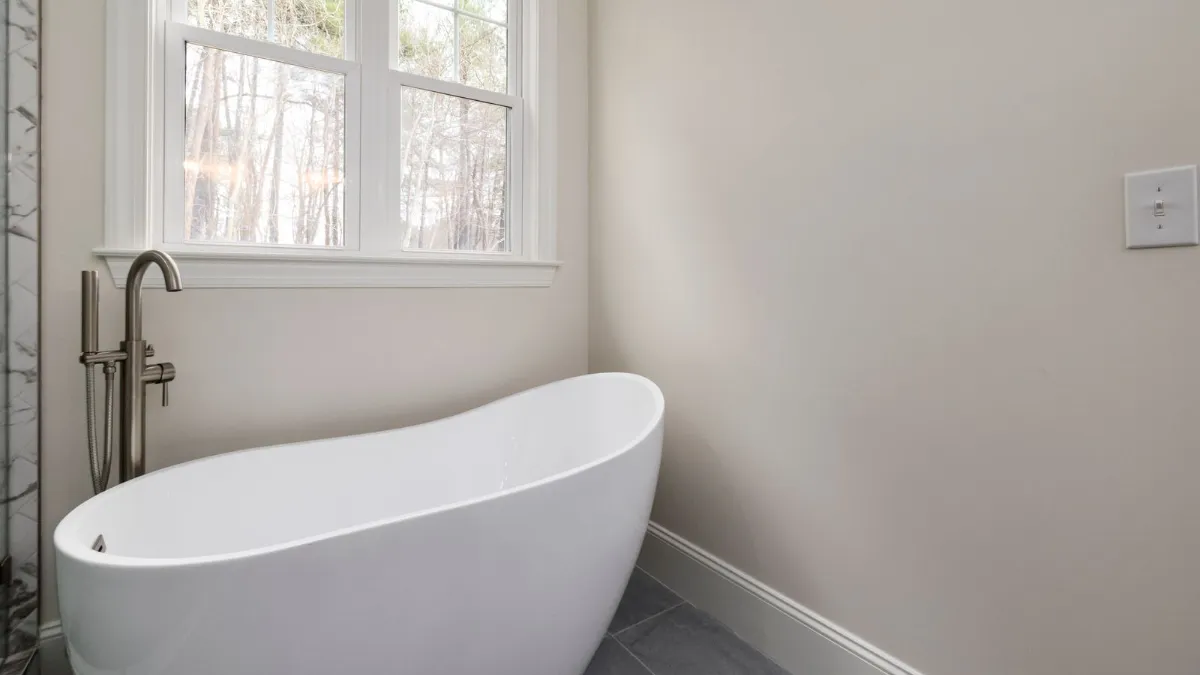
What materials are freestanding tubs made of?
Heavy materials like cast iron, porcelain and wood are common for soaking tubs because they retain heat well, according to a Hunker guide. Acrylic and fiberglass are lighter and cheaper. Stone resin and copper appear in high-end designs. Each has a different feel, weight and price.
Cast iron is durable and holds heat but is very heavy. Acrylic is light and easy to install but can scratch. Wood looks warm and unique but needs care. Badeloft and Victorian Plumbing publish buying guides for freestanding tubs.
How much does a freestanding tub weigh?
One source puts an empty standard cast iron freestanding tub at 200 to 400 pounds. Acrylic tubs weigh much less. The real concern is loaded weight. One guide advises calculating the weight of the tub, the water in it and the bather or bathers. Water is heavy, so a full tub adds several hundred pounds.
Because of their weight, heavy tubs may need extra support. A contractor should check the subfloor and joists before installation. Concrete slabs are different: one source says a slab can support a cast iron tub without added reinforcement.
How big is a freestanding tub?
A standard tub typically measures around 60 inches long, 30 inches wide and 19 inches high, according to one source. Freestanding tubs come in longer and deeper sizes too. Measure the room, leaving space for walking around the tub and for the faucet. Many people allow extra clearance on all sides for cleaning. Check the doorway and stairs to make sure the tub can get into the room.
How much does installation cost?
One source says most full installations run $800 to $3,000, with higher costs in places like New York City or San Francisco or in buildings with concrete subfloors. Another gives a wider U.S. range of about $3,500 to $6,800 for typical projects including the tub, rough-in and floor work. Replacement bathtub prices in one source range from $1,100 to $5,900. A Canadian guide gives a typical installed cost of $3,000 to $8,000 CAD. Floor reinforcement, if needed, may run roughly $300 to $1,200.
Drain relocation is the biggest variable in installation cost. Block Renovation publishes a guide on the real cost of installing a freestanding tub. Get several local quotes.
What plumbing does a freestanding tub need?
The drain and supply lines usually come through the floor, so plumbing often needs to be moved or extended. Faucets can be floor-mounted, wall-mounted or deck-mounted on the tub, depending on the design. A floor-mounted faucet needs a supply line through the floor. Ask your plumber to confirm the plan before you buy the tub or the faucet.
Check that the tub’s overflow, drain type and faucet holes match your plan. Our bathroom sinks guide discusses fixtures that need matching plumbing.
Is a freestanding tub right for me?
It suits larger bathrooms and people who love long baths. It may not suit small bathrooms, where a tub shower combo saves space, as our tub shower combo guide explains. If you want a shower in the same space, you may need a separate shower or a handheld option. For accessibility, a walk-in tub may be better, and our walk in bathtub guide covers that. A freestanding tub has a high edge, which can be hard to step over.
How do I choose a stand alone tub?
Decide on the material, size and style. Check the floor with a contractor. Plan the plumbing and faucet type. Measure the room and doorways. Compare costs from several sources. Check the warranty. Our jack and jill bathroom guide covers shared bathroom planning, and our bathroom remodel cost guide helps with the budget.
How do I care for a freestanding tub?
Clean it with a non-abrasive cleaner that suits the material. Acrylic scratches easily, cast iron has an enamel finish that dislikes harsh scrubbing and wood needs special care. Wipe it down after use to prevent soap scum and water spots. Check the drain and overflow for buildup. Follow the maker’s guide for the finish.
What are the downsides?
The main ones are weight, cost and space. A freestanding tub needs room around it, which makes cleaning harder, and the exposed plumbing must look good. The edge can be tall to step over. Water can cool quickly in thin materials like some acrylic. If you share a bathroom, a freestanding tub takes space from other uses. These are general points, so weigh them against what you love about a soak.
Frequently Asked Questions
What is a stand alone tub?
A freestanding bathtub that isn’t built into a wall or surround.
How heavy is a freestanding tub?
One source says empty cast iron tubs weigh 200 to 400 pounds. Add water and a bather.
How big is a standard tub?
About 60 by 30 by 19 inches.
How much does installation cost?
Sources range from $800 to $6,800 or more. Get local quotes.
Do I need floor reinforcement?
Maybe. A contractor should check the joists. Reinforcement may cost $300 to $1,200.
Conclusion
A freestanding tub adds beauty and a deep soak, but it needs planning. Choose the material, check the weight and floor support and get several quotes for installation.
Because costs vary widely, rely on local estimates and a contractor’s inspection. A well-planned tub becomes the favorite part of a bathroom.
Related guides
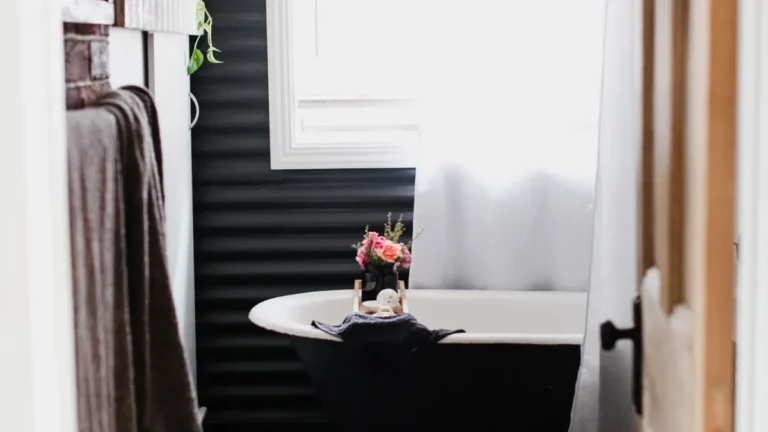 Clawfoot Tub Guide: Types, Weight, Floor Support, Faucets and Installation CostA clawfoot tub is a freestanding bathtub that stands on four decorative feet, often shaped like a claw gripping…Read more →
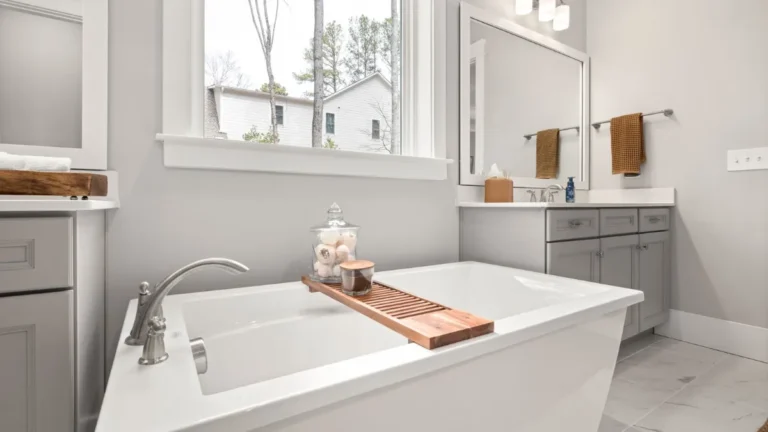 Soaking Tub Guide: Depth, Freestanding vs Alcove, Materials, Weight and Water HeaterA soaking tub is made for lying back and letting the water reach your shoulders. It s deeper than a standard…Read more →
 Walk-In Tub: Pros, Cons, Cost, Installation and Medicare CoverageA walk-in tub has a door in the side, so you can step in instead of climbing over a high wall. For people with…Read more →
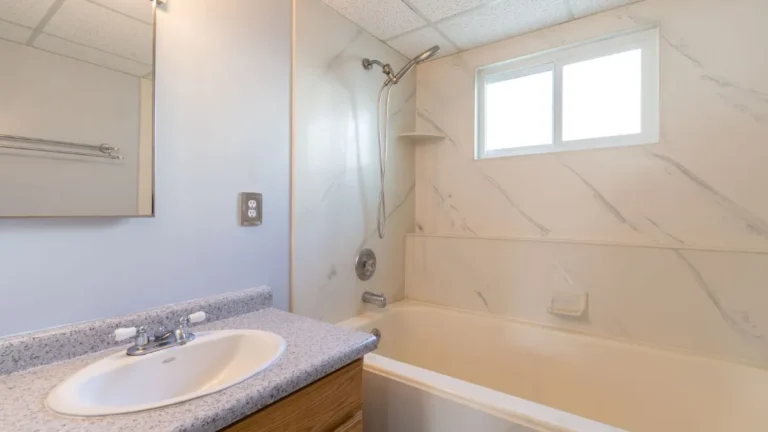 Tub Shower Combo Guide: Standard Sizes, Replacement vs Walk-In Shower Conversion and Cost RangesQuick answer: a tub shower combo is a bathtub with a shower above it in one alcove. It keeps a soaking option…Read more →




One Comment