
Clawfoot Tub Guide: Types, Weight, Floor Support, Faucets and Installation Cost
A clawfoot tub is a freestanding bathtub that stands on four decorative feet, often shaped like a claw gripping a ball. It brings old-fashioned charm to a bathroom, and it works as a focal point in modern rooms too. It is also heavy, plumbing-intensive and expensive to install, so it helps to know what you are getting into before you fall for the look.
This article is part of our bathtub guide, where you can compare related options.
A clawfoot tub is a freestanding tub with feet that sits away from the walls or in an alcove, with exposed pipes and a faucet that is mounted on the tub, wall or floor. This guide explains the tub styles and materials, how much they weigh and what the floor needs, the faucet options, typical installation costs and what to check before buying.
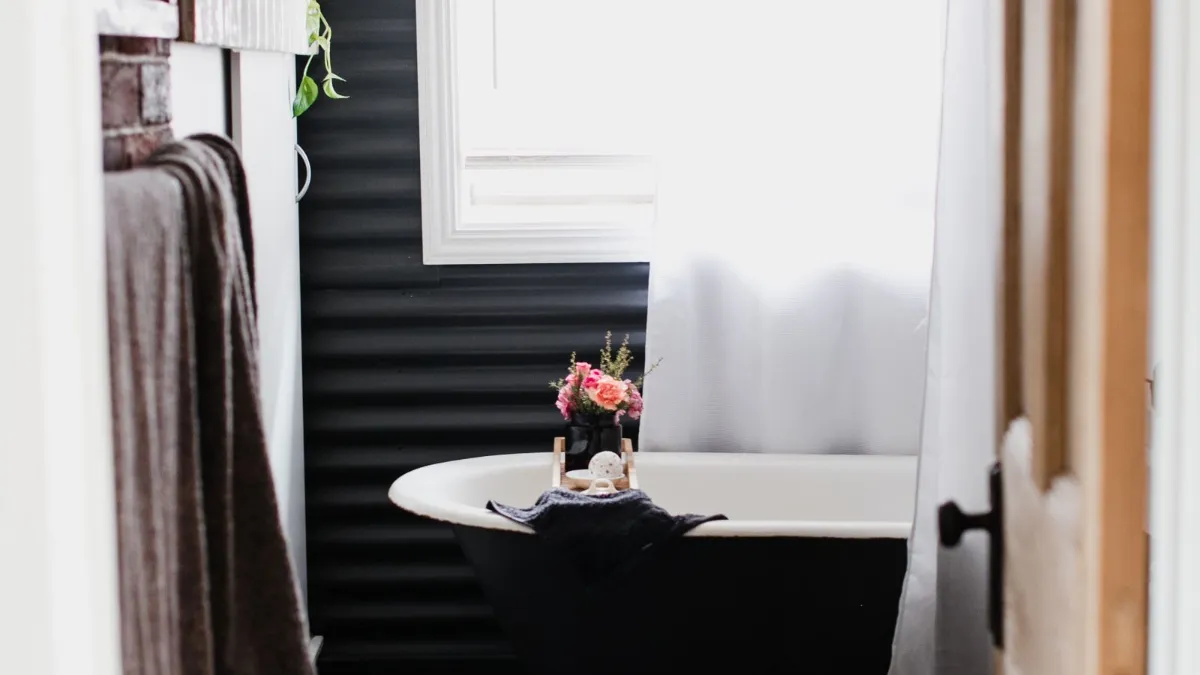
Styles of Clawfoot Tubs
Classic roll-top: the rim rolls outward on all sides. Common and traditional. Slipper tub: one end is raised higher than the other, so you can lean back. Comfortable for soaking. Double-slipper tub: both ends are raised. Typically longer than single tub styles to fit two people, with the faucet installed in the middle. Flat-rim tub: a flat top edge. Good for a clean look and for mounting faucets on the rim. Pedestal tub: sits on a base instead of feet. Not a true clawfoot, but similar. Modern clawfoot: simplified feet and sleek lines. Compact clawfoot: smaller tubs for small bathrooms. Measure carefully.
Materials
Cast iron: the traditional material. Cast iron is durable, holds heat better and retains its value longer. It is very heavy. Antique cast iron tubs may weigh upwards of 500 pounds empty, according to one source. Acrylic: lighter and cheaper. Easier to move and install. It does not hold heat as well. One listing still gives a weight of about 411 pounds for an acrylic model, plus water, so even “light” tubs can require professional installation. Fiberglass: light and low cost, but less durable. Copper and stone resin: premium materials, with unique looks and special care.
| Material | Weight | Heat retention | Cost |
|---|---|---|---|
| Cast iron | Very heavy | Excellent | Higher |
| Acrylic | Lighter | Fair | Lower |
| Fiberglass | Light | Fair | Low |
| Copper/stone resin | Heavy | Good | Premium |
One cost comparison source estimates a cast-iron tub at around $2,500 to $2,800, and an acrylic tub at roughly $1,600 to $1,900, but these are rough, region-specific figures.
Weight and Floor Support
A clawfoot tub concentrates its weight on four small feet. That matters.
A typical clawfoot tub weighs about 200 to 400 pounds, according to one source, and antique cast iron can be heavier. Filled weight matters. A cast-iron tub also has to support the weight of the water when full plus the bather. One source says the floor may need to support over 1,000 pounds in one area. Floor joists may need reinforcement. One guide gives an additional cost of $100 to $300 per joist if reinforcement is needed.
Before buying, have a builder or structural engineer check the floor. This is especially important on upper floors and in older homes. Place the tub with its feet over joists if possible. Use pads or plates under the feet to spread the load and protect the floor.
Faucet and Plumbing Options
Clawfoot tubs have no built-in faucet holes in many designs, so you choose how to supply water.
Deck-mounted (rim-mounted) faucet: mounts on the tub rim. Needs a tub with pre-drilled holes. Wall-mounted faucet: mounts on the wall behind the tub. Good for tubs against a wall. Freestanding floor-mounted faucet: a standalone tower from the floor. Looks elegant and works with tubs in the middle of the room. Supply lines and drain: exposed supply lines, often brass or chrome, are part of the look. The drain connects underneath, and the tub needs a proper P-trap.
Plan the faucet before you choose the tub. Make sure the tub is compatible, and that the plumbing can reach.
Shower Options
You can add a shower to a clawfoot tub using a shower ring, a curtain that surrounds the tub or a hand shower. Keep in mind that water can splash onto the floor, so plan flooring, drains and curtain rods. See the shower curtain rod guide.
Installation and Cost
A clawfoot tub is a professional job in most cases. Labor is the main variable.
Time. One source says installation usually takes seven to ten hours. Another estimates half a day to two days, depending on tub weight, plumbing rerouting and surround work. Plumber. A licensed plumber is typically required. One source lists $45 to $200 per hour. Hardware. One source gives $100 to $700 for the faucet kit, and an additional $150 to $400 for installation if the plumbing does not need altering. Floor reinforcement. Extra if needed. Moving the tub. Heavy cast iron may need several people or equipment. Total cost. One 2026 guide says a complete installation typically falls between $2,000 and $9,000. Another says many projects land in the $3,000 to $6,000 zone. Prices vary widely by region and tub type.
Get several quotes, and ask what each includes: the tub, faucet, plumbing work, floor work, delivery and removal of the old tub.
What are the main strengths and weaknesses?
On the plus side: beautiful, classic look; deep soaking; cast iron holds heat well; can be repainted or refinished; freestanding, so cleaning around it is easier. On the downside: heavy, needs floor support; higher installation cost; exposed plumbing; can be cold to touch (cast iron when empty); needs space around it; water can splash outside the tub.
Space Planning
Clawfoot tubs need space. Allow room around the tub for cleaning and access, and consider how the faucet fits. A typical clawfoot tub is about 60 to 72 inches long, but sizes vary. Measure the bathroom, the doorway and the path to the bathroom. Check ceiling height if you plan a ceiling-mounted shower ring.
For small bathrooms, consider a compact model or a pedestal tub. See the small bathroom ideas and bathtub guides.
Care and Maintenance
Key points: wipe the tub after use. Avoid abrasive cleaners that can scratch; check the enamel on cast iron for chips; clean the feet and the floor beneath; check the plumbing for leaks; re-seal around joints as needed; refinish an old tub if needed.
How to Choose a Clawfoot Tub
Check your floor’s strength. Measure the bathroom and the access path. Pick a material: cast iron or acrylic. Choose a style: roll-top, slipper or double slipper. Plan the faucet and plumbing. Decide on a shower option. Get quotes for installation. Check the warranty and finish. Read reviews.
What mistakes should you avoid?
A few common mistakes are worth avoiding: ignoring floor strength; buying a tub before planning plumbing; choosing a faucet that does not fit the tub; underestimating installation cost; forgetting about splash; not measuring doorways.
Frequently Asked Questions
How much does a clawfoot tub weigh?
Typically 200 to 400 pounds, and antique cast iron can be heavier.
Does my floor need reinforcement?
Maybe. Have a structural check.
How much does installation cost?
Wide ranges, from about $2,000 to $9,000. Get local quotes.
Is cast iron better than acrylic?
Cast iron lasts and holds heat, but is heavy and costly. Acrylic is lighter and cheaper.
Can I add a shower to a clawfoot tub?
Yes, with a shower ring and curtain or a hand shower.
Can I install a clawfoot tub myself?
It is a heavy job. A licensed plumber is typically required.
Conclusion
A clawfoot tub brings charm and comfort to a bathroom, but it needs careful planning. Check the floor, pick a material, plan the plumbing and budget for installation.
With the right planning, a clawfoot tub can be a beautiful centerpiece you will enjoy for many years.
Related guides
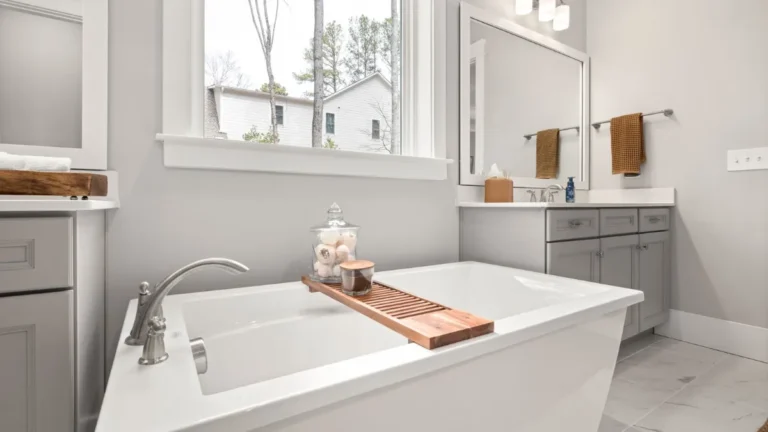 Soaking Tub Guide: Depth, Freestanding vs Alcove, Materials, Weight and Water HeaterA soaking tub is made for lying back and letting the water reach your shoulders. It s deeper than a standard…Read more →
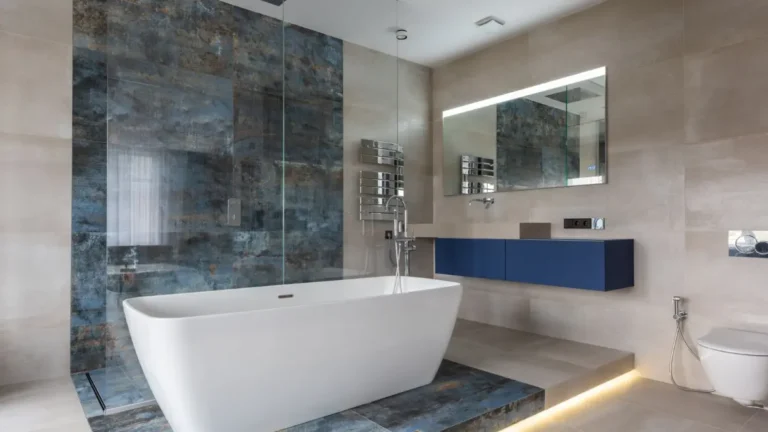 Walk-In Tub: Pros, Cons, Cost, Installation and Medicare CoverageA walk-in tub has a door in the side, so you can step in instead of climbing over a high wall. For people with…Read more →
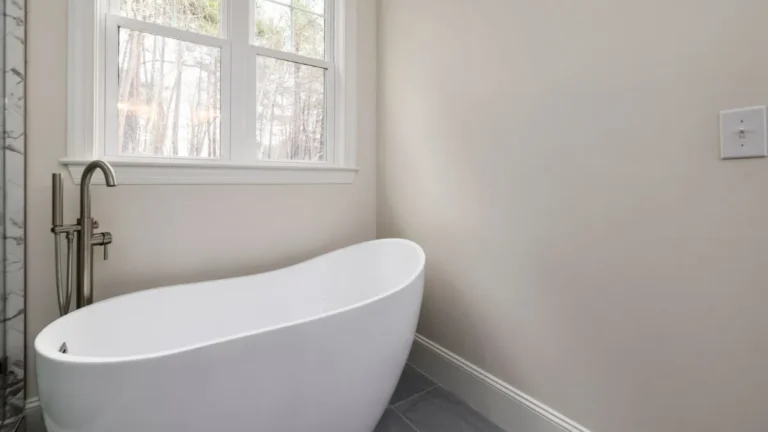 Stand Alone Tub: Materials, Weight, Floor Support, Size and Installation CostA stand alone, or freestanding, tub sits on its own without being built into a wall or surround. Cast iron,…Read more →
 Tub Shower Combo Guide: Standard Sizes, Replacement vs Walk-In Shower Conversion and Cost RangesQuick answer: a tub shower combo is a bathtub with a shower above it in one alcove. It keeps a soaking option…Read more →


2 Comments