Best Mattresses: How to Choose the Right One for the Way You Sleep
The best mattress isn’t the same for everyone. A mattress that feels perfect to a side sleeper can feel too soft for someone who sleeps on their stomach. That’s why “best” lists often leave people confused. The better question is which mattress is best for you.
This article is part of our mattress buying guide, where you can compare related options.
A mattress is the pad you sleep on, made of foam, coils, latex or a mix of these. Its job is to support your spine, relieve pressure on your shoulders and hips and keep you comfortable through the night. The right one depends on your sleep position, your body weight, your temperature and your budget.
This guide breaks down the main mattress types, explains firmness, shows how to match a mattress to your sleep position and lists the things to check before you buy. It doesn’t rank brands, because a fair ranking needs hands-on testing. Instead, it gives you a way to pick for yourself.

How to Tell What the “Best” Mattress Means for You
Start with your own needs. Think about how you sleep, what hurts when you wake up and what you want to change. If you wake up with shoulder pain, you may need more cushioning. If you sink too far in and feel stuck, you may need more support.
Write down three or four things that matter most. Common ones include back or hip comfort, staying cool, quiet movement if you share a bed, edge support and price. These make it easier to compare mattresses without getting lost in marketing claims.
Keep in mind that a mattress is a personal item. Reviews are helpful, but they can’t tell you how it will feel under your body. That’s why sleep trials and return policies matter.
Main Types of Mattresses
Most mattresses fall into four groups. Each has its own feel and tradeoffs.
Memory Foam
Memory foam softens under body heat and hugs your shape. It’s known for pressure relief, so it suits many side sleepers. It also absorbs movement well, which helps if a partner tosses and turns. On the other hand, dense foam can trap heat unless it has gel, open-cell structure or cooling layers.
Innerspring
An innerspring mattress uses a layer of metal coils. It feels bouncy, sleeps cooler thanks to airflow and often costs less. The tradeoff is that it can offer less pressure relief and may transfer more motion across the bed.
Hybrid
A hybrid pairs a coil base with foam or latex on top. It tries to give both bounce and contouring. Many guides suggest hybrids for people who change positions during the night, and for back sleepers who want support with some cushion.
Latex
Latex feels springy and responsive. It’s bouncier than memory foam but more cushioning than a basic innerspring. Many people like its breathability and durability. It generally costs more than other types.
| Type | Feel | Cooling | Motion isolation | Typical cost |
|---|---|---|---|---|
| Memory foam | Hugging, slow response | Can run warm | Good | Low to high |
| Innerspring | Bouncy | Good airflow | Limited | Low |
| Hybrid | Balanced | Good | Medium | Medium to high |
| Latex | Springy, responsive | Good | Medium | High |
What Mattress Firmness Should You Choose?
Firmness describes how hard or soft the surface feels. It’s often rated from 1 to 10, with 10 being the firmest. Different brands rate firmness differently, so treat the number as a rough guide.
Your sleep position is a good first filter. Many retail guides suggest the following ranges.
| Sleep position | Common suggestion |
|---|---|
| Side sleepers | Medium-soft to medium-firm |
| Back sleepers | Medium to firm |
| Stomach sleepers | Firm |
| Combination sleepers | Medium-firm, around 5.5 to 6.5 |
Why this works: side sleepers need cushioning at the shoulders and hips, so a bit of give helps. Stomach sleepers need support so their hips don’t sink and curve the back. Back sleepers sit in between.
Body weight changes the picture. Heavier sleepers compress a mattress more, so they often do better with a firmer feel or a thicker mattress with strong support. Lighter sleepers may need a softer top so the mattress can actually contour to them. If you’re stuck between two levels, many guides suggest going a bit firmer, since you can add a soft topper later. A topper can’t fix a mattress that’s too soft.
Best Mattress by Sleep Position
Side sleepers: look for medium-soft to medium-firm, with a pressure-relieving top layer. Memory foam and many hybrids work well. The goal is to keep your spine straight while your shoulder and hip sink in a little. Back sleepers: a medium to firm mattress usually supports the lower back. Hybrids and firmer foam are common choices. Check that the lower back isn’t left hanging in the air. Stomach sleepers: choose a firmer surface. A mattress that’s too soft lets your hips sink and may strain your back. Avoid very thick, soft pillow tops. Combination sleepers: you need a mattress that’s easy to move on. Hybrids and latex respond fast, so changing positions feels easier than on slow foam.
Best Mattress for Hot Sleepers, Couples and Back Pain
Hot sleepers: dense memory foam is the warmest option unless it has cooling features. Look for gel foam, open-cell foam, breathable covers or a hybrid or latex build. Couples: motion isolation matters if one person moves a lot. Foam and many hybrids are good here. Edge support matters too, so you can use the whole bed. Think about size, and check whether a queen or king gives you enough room. Back pain: there’s no single mattress that fixes back pain, and it’s smart to talk to a doctor if the pain is ongoing. Many people with back pain look for medium to medium-firm support that keeps the spine in a neutral line. Try a long trial period before deciding.
Mattress Sizes
Pick a size that fits the sleepers and the room. Twin and twin XL suit kids, dorms and single sleepers. Full works for one adult who likes extra room. Queen is the most common size for couples. King and California king give more space, and the California king is longer and narrower than the king. Measure your bedroom and bed frame, including doorways and stairs, before you order.
Things to Check Before You Buy a Mattress
Sleep trial. Look for a trial of at least 30 nights, since your body needs time to adjust. Read the return rules, including any fees. Warranty. Check what counts as a defect, such as sagging over a set depth. Know the foundation rules, too. Materials. Look for the thickness and type of each layer. Ask about foam density, coil type and cover fabric. Edge support. If you sit on the side of the bed or share a small bed, strong edges help. Certifications. Labels like CertiPUR-US for foam tell you about certain chemicals and emissions, though they don’t measure comfort. Total cost. Add shipping, removal of the old mattress, a protector and sheets. Your frame. Make sure the base supports the mattress type.
Common Mattress Buying Mistakes
Buying only on price: a cheap mattress can cost more over time if it sags or hurts your sleep. Trusting one review: one person’s perfect fit may not suit you. Read many reviews and look for patterns. Ignoring the return policy: some trials have fees, restocking charges or rules about how you can return it. Skipping the protector: spills and stains can void a warranty, and a protector is cheap insurance. Choosing the wrong firmness for your position: use the sleep position guide above as a starting point.
Frequently Asked Questions
What type of mattress is best for most people?
There’s no single winner. Many people like hybrids because they balance support, bounce and cushioning. Memory foam suits those who want pressure relief, and latex suits those who want a springier feel.
How firm should my mattress be?
Side sleepers usually like medium-soft to medium-firm, back sleepers medium to firm and stomach sleepers firm. Heavier people often need more firmness, and lighter people may need more softness.
How long does a mattress last?
It depends on the materials, your weight and how you care for it. Sagging, lumps, noise and waking with aches are signs it may be time to replace it.
Is an expensive mattress always better?
Not always. Price can reflect materials, but also brand and marketing. Focus on the specs, the trial and the warranty.
Do I need a mattress topper?
Maybe. A topper can soften a bed that’s a little too firm. It can’t fix a mattress that’s too soft or sagging.
Can the wrong mattress cause back pain?
A mattress that doesn’t support your body well can add to discomfort. If pain continues, speak to a healthcare professional.
Conclusion
The best mattress is the one that fits your body, your sleep position and your budget. Start with the type that matches how you like to sleep, then choose a firmness that supports your spine and relieves pressure.
Use the sleep trial and warranty to protect your purchase, and don’t be afraid to return a mattress that doesn’t work for you. A little research now can mean years of better sleep.
Related guides
 Folding Mattress: Tri-Fold Foam Thickness, Sizes, Density and Who It SuitsA folding mattress is a foam mattress that folds into thirds so you can store it in a closet or carry it.…Read more →
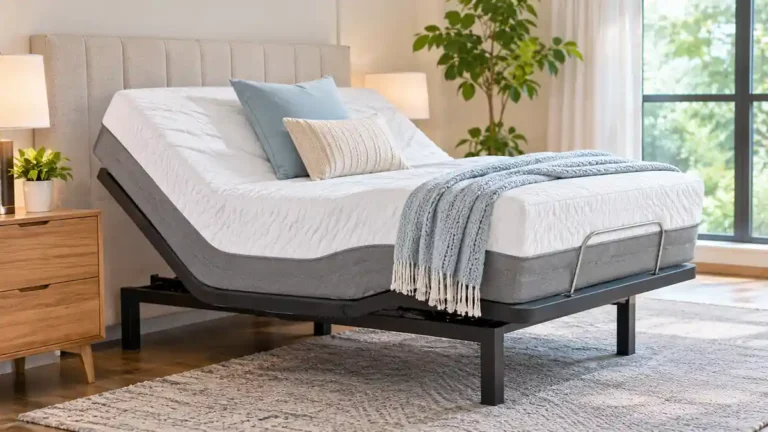 Adjustable Mattress Guide: Which Mattress Types Work on Adjustable Bases (Foam, Latex, Hybrid) and What to CheckQuick answer: most foam, latex and many hybrid mattresses work on an adjustable bed base. Casper rates memory…Read more →
 Inflatable Mattress Guide: Air Bed Height, Built-In Pumps, Leaks, Weight Capacity and CareQuick answer: an inflatable mattress, or air bed, is a mattress you fill with air for guests, camping or…Read more →
 Floor Pillows Guide: Sizes (20 to 32 Inches), Fill Types, Meditation Cushions, Covers and CleaningQuick answer: floor pillows are large cushions for sitting on the floor. A 24 inch square suits living room…Read more →