Coat Rack: Freestanding, Wall-Mounted and Over-Door Types Compared
A coat rack keeps jackets, bags and scarves off the floor and the sofa. It’s small, but it solves a big daily problem. Choose well, and your entryway stays tidy. Choose badly, and the rack wobbles, bends or pulls out of the wall under a wet winter coat.
This article is part of our shelves, bookcases and storage furniture guide, where you can compare related options.
A coat rack is a stand, a rail or a set of hooks for hanging outerwear. Some stand on the floor. Some mount on the wall. Others hang over the top of a door. They come in wood, metal and mixed designs.
This guide compares the main types, explains weight capacity, shows how to install a wall rack safely and gives tips for small entryways. You’ll also find a comparison table, a buying checklist and answers to common questions.

Types of Coat Racks
Freestanding coat rack (coat stand): a pole with a base and hooks. It suits renters and anyone who doesn’t want to drill. A cheap base can wobble, and the rack can tip with a heavy load. Wall-mounted coat rack: a board or rail with hooks that screws into the wall. It saves floor space. One guide suggests going wall-mounted when your free floor space (after door swing and shoe bench) is under about 400 square inches, and treating either type as workable above about 600. Over-door coat rack: hooks that hang over the top of a door. It’s the cheapest option and needs no tools. It’s a stopgap, since it holds little weight and can stress the door hinges over time. Coat rack with bench or shelf: combines hooks, a seat and storage for shoes or bags. It’s good for entryways with enough room. Coat rack with mirror: adds a mirror above the hooks. Hall tree: a tall unit that combines hooks, a bench, shelves and sometimes a mirror. Row of hooks or pegs: simple hooks on a board. Shaker pegs and modern hooks both work.
| Type | Install | Floor space | Best for |
|---|---|---|---|
| Freestanding | None | Takes some | Renters, flexible placement |
| Wall-mounted | Drilling | None | Small entryways, heavy loads |
| Over-door | None | None | Tight budgets, temporary use |
| Hall tree | None or anchor | Takes more | Large entryways |
Weight Capacity
Always check the manufacturer’s stated limit, both per hook and for the whole unit. Vendor figures vary.
A wall rack anchored into two wall studs holds about 50 to 80 pounds, according to one guide. Mounted into drywall only, with anchors, capacity drops to about 20 to 35 pounds. A freestanding solid wood coat rack typically holds about 40 to 60 pounds in total, depending on size and construction. An over-door rack has a limit of about 10 to 18 pounds, which means one heavy coat and a bag is already pushing it.
Think about what you hang. A wet winter coat, a backpack and a purse can add up. If you have kids or lots of coats, choose a sturdier option. Spread the weight over several hooks and avoid hanging heavy bags on the outermost hooks of a freestanding rack, which can tip it.
How to Install a Wall-Mounted Coat Rack
- Choose the height. A common guide is about 60 to 66 inches for adults. Hang hooks lower for children.
- Find the studs. Use a stud finder and mark them.
- Mark and level the rack. Hold it against the wall and mark the screw holes.
- Drill pilot holes.
- Screw the rack into the studs with the screws provided or longer ones that suit the wall.
- Check it. Pull gently to test.
If the studs don’t line up, use proper wall anchors. Standard plastic wall plugs will not hold and can damage the drywall. One source recommends specialized heavy-duty drywall anchors, such as toggle bolts or steel hollow-wall anchors. Even with anchors, capacity is lower than with studs.
For masonry or tile, use anchors and bits made for those materials.
How to Use an Over-Door Rack
Measure the thickness of your door first. Make sure all hooks sit fully over the top edge of the door. Check that the door opens and closes without force. Don’t overload it, and avoid using it on doors that swing a lot. Heavy loads can stress the hinges.
Making a Freestanding Rack Stable
Choose a heavy, wide base. Place it in a corner or flush against a wall. One source says this, or a wall-tether strap, can significantly improve safety in a busy household. Hang heavy items near the pole, not on the outer hooks. Don’t overload it. Keep children from pulling on it.
Coat Racks for Small Entryways
Use the wall. A wall-mounted rail saves floor space. Go vertical. Stack hooks and shelves. Combine functions. A rack with a small shelf holds keys and mail. Keep it narrow. A slim coat stand fits tight corners. Use the back of the door. Over-door hooks help when you can’t drill. Leave room to move. Measure the door swing and walkway first.
Many landlords prohibit drilling, which makes freestanding or over-door options your best alternatives.
Materials
Wood: warm and sturdy. Solid wood lasts longest. Metal: slim and strong. Check the finish for rust. Bamboo: light and natural looking. Mixed materials: metal hooks on wood boards, for example.
Choose rust-resistant materials for damp spaces such as mudrooms or bathrooms.
How to Choose a Coat Rack
Measure your space. Floor area, door swing and traffic flow. Check if you can drill. Renters may need freestanding or over-door options. Pick the type. Wall-mounted for small spaces and heavy loads. Check the weight rating. Match it to your heaviest typical load. Count the hooks. One hook per person, plus guests. Check hook size and shape. Double hooks hold more. Choose a material and finish that suits your entry. Think about extras. Bench, shelf, mirror or shoe storage. Read reviews for notes on wobble and assembly. Plan safety. Anchor tall units and use child-safe heights.
What mistakes should you avoid?
A few common mistakes are worth avoiding: ignoring weight limits (racks fail under heavy winter coats); mounting only into drywall (plastic plugs won’t hold); buying a freestanding rack with a small base (it will tip); using over-door racks for heavy loads (they can damage hinges); placing the rack where it blocks traffic (check the walkway).
Frequently Asked Questions
What is the best type of coat rack?
It depends on your space. Wall-mounted racks save floor space and hold more. Freestanding racks suit renters. Over-door racks are cheap and temporary.
How much weight can a coat rack hold?
It varies. Vendor figures include 50 to 80 pounds for a wall rack in two studs, 20 to 35 pounds in drywall with anchors, 40 to 60 pounds for a solid wood freestanding rack and 10 to 18 pounds for an over-door rack.
How high should I hang a coat rack?
Many people hang hooks at about 60 to 66 inches for adults. Lower them for kids.
Do I need studs for a wall-mounted coat rack?
Studs give the best hold. If you can’t use studs, use heavy-duty anchors like toggle bolts.
Can I use a coat rack without drilling?
Yes. Use a freestanding rack or an over-door rack.
How do I stop a freestanding coat rack from tipping?
Choose a wide base, place it in a corner or tether it to the wall, and hang heavy items near the pole.
Conclusion
A coat rack keeps your entry organized if you choose the right type. Wall-mounted racks save space and hold more weight, freestanding stands suit renters and over-door racks are a quick, low-cost fix.
Check the weight rating, use studs or strong anchors and place the rack where it won’t block traffic. With the right setup, your coats have a home, and your entryway stays tidy.
Related guides
 Floating Wall Shelves: Weight Capacity, Studs, Brackets and InstallationA floating shelf hides its brackets, so it looks like it s hovering on the wall. How much it can hold depends…Read more →
 Glass Cabinet: Tempered vs Regular Glass, Thickness, Safety and Wall AnchoringTempered or laminated glass is the safer choice for a glass cabinet, especially in a home with children.…Read more →
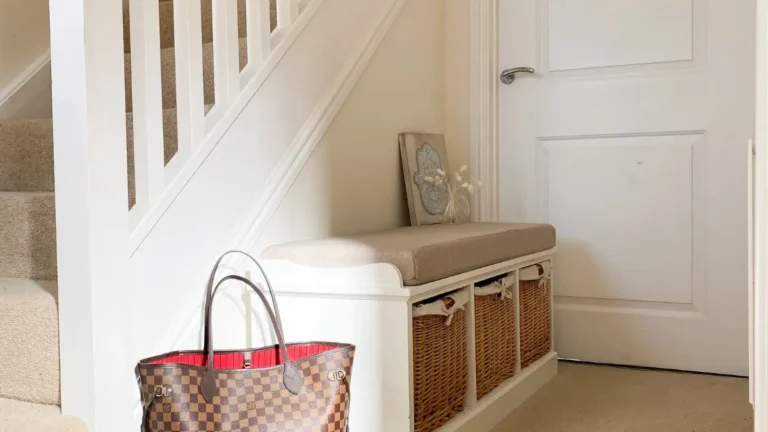 Bench with Storage Guide: Entryway and Bedroom Sizes, Seat Height, Weight Ratings and Safety HingesQuick answer: a bench with storage gives you a seat and a hidden compartment. Most entryway and bedroom models…Read more →
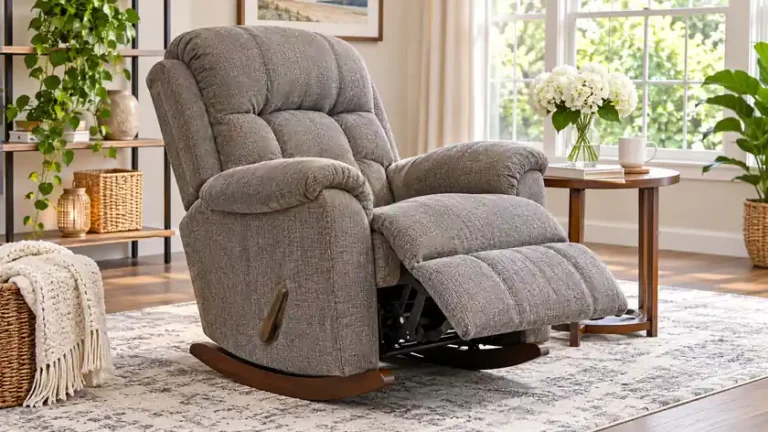 Rocker Recliner: Rocker vs Glider, Swivel Options and Whether It Suits a NurseryA rocker recliner combines a rocking or gliding motion with a reclining back and footrest. Rockers move in an…Read more →