Glass Cabinet: Tempered vs Regular Glass, Thickness, Safety and Wall Anchoring
Tempered or laminated glass is the safer choice for a glass cabinet, especially in a home with children. Tempered glass breaks into small, blunt pieces, while regular annealed glass can fracture into long, sharp shards. A common residential pick is quarter-inch (about 6 mm) tempered glass. Fix the cabinet to the wall to prevent tipping, and check the maker’s glass specs before you buy.
This article is part of our shelves, bookcases and storage furniture guide, where you can compare related options.
A glass cabinet lets you show off dishes, books, collectibles or trophies while keeping dust out. It also puts a lot of glass in your home. The type of glass, the way the doors fit and how the cabinet is secured all affect how safe it is.
This guide explains glass types, thickness, tipping risks and what to look for when you shop. I left out one unsourced market share number. This isn’t safety certification advice, so check the maker’s specifications.
What types of glass are used in cabinets?
The main options are tempered glass, laminated glass, regular (annealed) glass and acrylic. A furniture retailer notes that tempered glass breaks into blunt, roughly thumb-sized pieces, while annealed glass can fracture into long, razor-edged shards. One guide names laminated glass as the other safety option. Acrylic is lighter than glass, and Lazada has a guide comparing glass, acrylic and tempered glass for display cabinet doors, including clarity, scratch resistance and safety.
Is tempered glass worth it?
Yes, for most homes. One guide says that in a high-traffic area or a home with children, safety glass like tempered or laminated is a necessity. Another says building codes often require tempered glass in cabinet doors in public and commercial settings, though it doesn’t name the codes. Mega Furniture explains what the tempered spec actually buys you. Tempered glass costs a bit more, but the safety benefit is worth it.
How thick should the glass be?
A common residential choice is quarter-inch tempered glass, about 6 mm. One guide says it suits about 80 percent of residential display cabinet projects, though that’s a seller’s claim. Listings vary: one cabinet uses 4 mm tempered glass, and another uses 6 mm tempered glass for safety. Thicker glass is stronger and heavier. Check the maker’s spec sheet for the exact glass thickness on shelves and doors.
Why should I anchor a glass cabinet?
A tall cabinet can tip over, and glass makes that more dangerous. One listing advises that securely fixing the glass cabinet onto the wall helps prevent tipping. Use anchors into wall studs when you can. Our baby dresser guide explains anchoring steps and the STURDY Act for clothing storage, and the same idea of securing tall furniture applies here.
What should I check before buying?
Check for tempered glass, secure mounting hardware and child-safe edges. Look at the hinges and door catches, because heavy glass doors need strong hardware. Check the shelf supports, since glass shelves can slip if the pegs are weak. LED lighting is common, and one guide covers cabinets with LED lights. Look at the power cable and the heat the lights give off.
How do I place and style a glass cabinet?
Put it where it won’t be bumped, away from doors and busy walkways. Keep it out of direct sun if it holds fabrics, books or art that fade. Display heavier items on lower shelves and lighter items higher up. Use anti-slip pads for fragile pieces. Group items by color or theme so the cabinet looks tidy.
How do I clean it?
Use a soft cloth and glass cleaner sprayed on the cloth. Dust the shelves before wiping. Don’t use abrasive pads. Check the frame material to choose a safe cleaner. Our wooden dresser guide has care ideas for wood frames.
What types of glass cabinets are there?
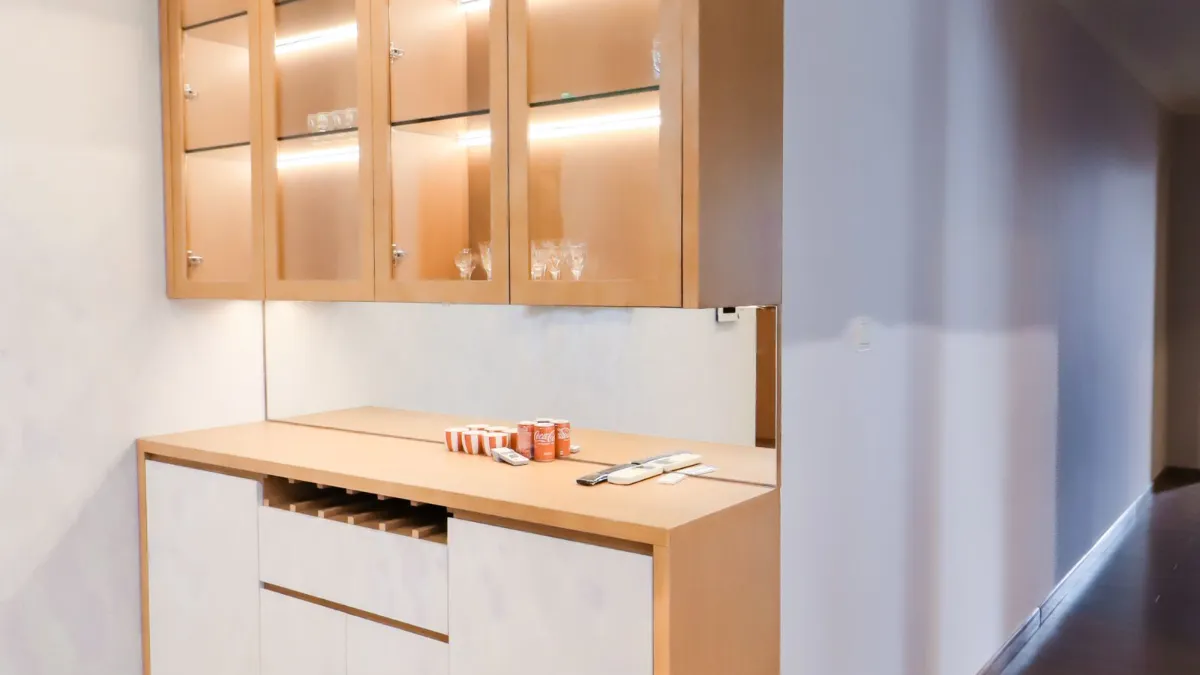
Glass cabinets come as curio cabinets, display cases, china cabinets, bookcases with glass doors and wall-mounted showcases. Some have glass on all sides, and some only on the doors. Retail guides also describe cabinets with LED lights, which show off collectibles. A frameless design has a clean look but needs careful handling. Others use wood or metal frames for extra strength.
Pick the type by what you plan to display. Books and dishes need strong shelves, while small collectibles need good lighting. If you display valuable items, look at lockable doors.
How do I protect items and the cabinet?
Use shelf liners or small museum putty for fragile pieces. Keep heavy items on lower shelves and spread weight evenly. Check the shelf rating from the maker, since glass shelves have limits. Avoid placing the cabinet beside a heater or in direct sun, which can fade items and heat the glass unevenly.
Never lean on glass doors, and teach children not to climb or pull on them. If a door cracks, stop using it and replace the glass. Our baby dresser guide explains how to anchor tall furniture, and the same steps work here.
What about lighting and heat?
LED lights make glass cabinets look great. They run cooler than old bulbs, but check how the lights are powered and where the cable runs. Plug-in strip lights need an outlet nearby, and battery lights need changing. Avoid putting heat-sensitive items right against the lights, and ask the seller about the lights’ rated life. Good lighting shows off collectibles, while poor lighting creates glare on the glass.
How do I choose a glass cabinet?
Decide what you’ll display, then pick the size and shelf strength. Check that the glass is tempered or laminated, and note its thickness. Look at the hinges, the door catches and the base, and make sure the cabinet can be anchored to a wall. Compare finishes with your other furniture. Read reviews about breakage in shipping, since glass furniture can arrive damaged, and check the return policy.
Frequently Asked Questions
Is a glass cabinet safe for kids?
It’s safer with tempered or laminated glass, secure hardware and wall anchoring.
What thickness is tempered glass in cabinets?
A common residential pick is about 6 mm. Listings also show 4 mm.
Should I anchor a glass cabinet?
Yes. Securing it to the wall helps prevent tipping.
What is the difference between tempered and annealed glass?
Tempered breaks into blunt pieces. Annealed can break into sharp shards.
Can I use acrylic instead?
Yes, it’s lighter, but it scratches more easily.
Conclusion
A glass cabinet shows off your things, but safety comes first. Choose tempered or laminated glass, check the thickness and hardware and anchor the cabinet to the wall.
Because many guides come from sellers, confirm the glass type and specs with the manufacturer. A secure cabinet is a lovely addition to a room.
Related guides
 Accent Cabinet Guide: Uses, Sizes, Doors, Placement and Styling for Entryway and Living RoomAn accent cabinet is the quiet workhorse of a home. It stores things you do not want to see, shows things you…Read more →
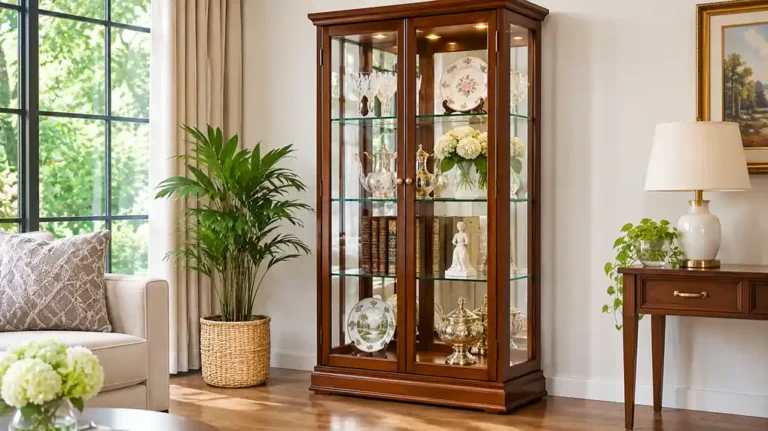 Display Cabinet Guide: Types, Glass, Lighting, Safety and StylingA display cabinet is where you show off the things you love and keep dust off them at the same time. People use…Read more →
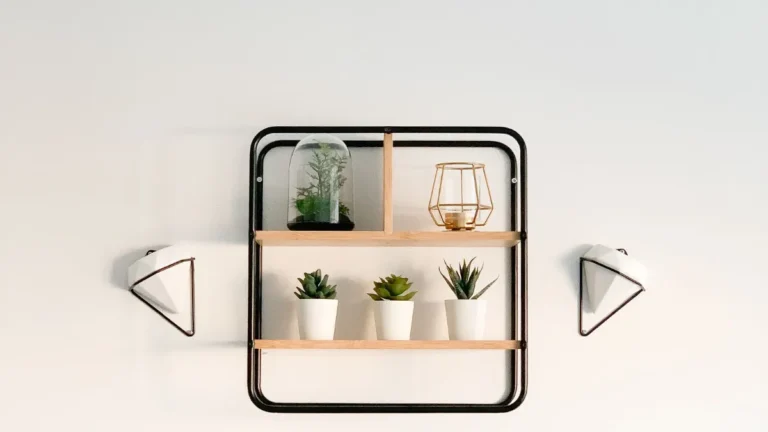 Floating Wall Shelves: Weight Capacity, Studs, Brackets and InstallationA floating shelf hides its brackets, so it looks like it s hovering on the wall. How much it can hold depends…Read more →
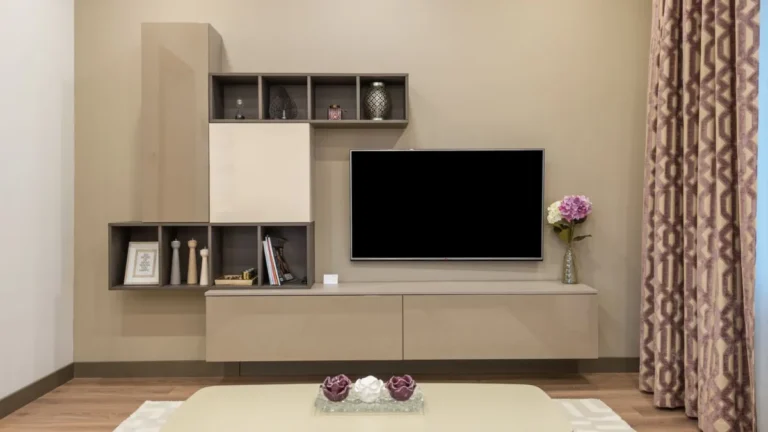 TV Cabinet Guide: Sizing to Your TV, Cable Management, Ventilation, Doors and HeightA TV cabinet holds your TV, hides your gear and sets the tone for the living room. A good one fits your…Read more →