Book Stand Guide: Cookbook Holders, Reading Stands, Materials, Angles and How to Choose
Quick answer: a book stand holds a book, cookbook or tablet upright at a readable angle. Choose bamboo or wood for light, portable use, metal or cast iron for stability with heavy books and acrylic for easy cleaning. Look for adjustable angle and height, page clips and a base that does not slip.
This article is part of our shelves, bookcases and storage furniture guide, where you can compare related options.
A book stand frees your hands and keeps your book clean and open. It is useful for cooking, studying, music, knitting or reading in bed. Prices are low, but designs vary, and the wrong stand tips over, slides off a desk or fails to hold a thick book. This guide explains the types, materials, adjustable features, how to use a stand for cooking and desk work, how to clean it and how to choose. Check the product page.
What Is a Book Stand?
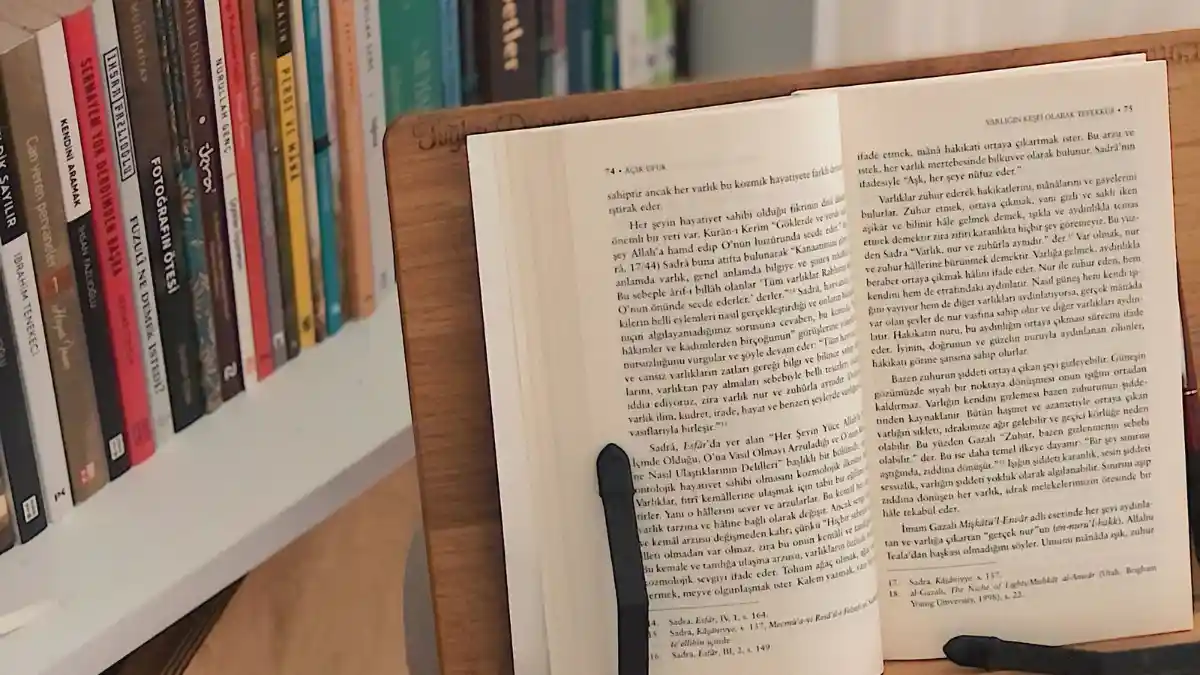
A book stand, also called a reading stand or cookbook holder, props up a book or device at an angle so you can read without holding it. Types: cookbook stand. For recipes in the kitchen. Often has clips and a stable base; desk book stand. For study and work. Often adjustable; reading stand for bed or sofa. Lightweight, sometimes with a pillow base; tablet and laptop stand. Many stands hold tablets, too; music stand. A taller floor-standing version; folding book stand. Portable for travel; table-top lectern. Larger and more formal.
Several products market for both kitchen and desk use. One bamboo holder is also suitable as a book stand for the desk to promote an upright posture. That is a product claim, not a medical one.
Materials
Stands come in iron, bamboo, wood and acrylic, and also in cast iron, stainless steel and plastic.
| Material | Pros | Cons |
|---|---|---|
| Bamboo | Light, warm look, portable | May scratch or warp |
| Wood | Sturdy, attractive | Heavier, needs care |
| Metal and cast iron | Very stable, handles heavy books | Heavier, may scratch surfaces |
| Stainless steel | Easy to wipe | Can feel cold |
| Acrylic | Easy to clean, sees through | Less adjustable, can scratch |
| Plastic | Cheap | Less stable |
Metal models are heavier, which might be a benefit or a hindrance, depending on how you plan to use your stand. One reviewer notes that heavier or denser stands are more stable than lightweight models.
Adjustable Angle and Height
Many models adjust. Examples in the search include a bamboo holder with four adjustable reading angles, a metal stand with a six-angle adjustable design and a height-adjustable stand with a tilting shelf. Some are fixed: one stand has no angle options, and an acrylic model’s angle is not flexible.
Why adjustment matters: A steeper angle suits cooking, where you stand and look down. A lower angle suits desk reading. A high stand brings the book to eye level, which can reduce neck bending. Ask a professional if you have pain. Different book sizes need different support.
Page Clips and Holding Features
Common extras include page clips or clamps, such as spring-loaded clamps. They keep pages open on thick cookbooks or textbooks. Look for: clips that do not tear pages; a ledge deep enough for heavy books; a non-slip base with rubber feet; a way to hold a tablet.
Folding and Portable Designs
Folding designs are common. One wood stand can be folded for easy portability when not in use. Folding stands store flat in drawers and travel well. Check hinges and locking mechanisms so the stand does not collapse.
Using a Book Stand for Cooking
Place the stand away from heat, water and splatter. Choose a surface that wipes clean. Use an acrylic shield or a cover to protect pages. Acrylic stands are often dishwasher safe for cleaning, though the top rack is typically recommended. Check the label. Use clips to hold pages. Choose a stand stable enough to hold a heavy cookbook. Keep electrical cords out of the way if you use a tablet.
Using a Book Stand for Study and Work
Place it at an arm’s length at the center of your desk. Position the stand beside your monitor if you copy from a book. Set the angle so you do not have to look down steeply. Use a document holder with a ruler line to keep your place. See the wood desk, L shape desk and writing desk guides for desk setup.
Using a Book Stand in Bed or on a Sofa
Choose a lightweight stand with a flat or cushioned base. Choose a tablet-friendly stand with a lip. A stand with a wide base stays stable on a blanket.
Care and Cleaning
Key points: wipe wood and bamboo with a slightly damp cloth, and dry them. Avoid soaking; wipe metal with mild soap; wash acrylic by hand or in the top rack if allowed; tighten hinges and screws occasionally; oil wood lightly if the maker advises; keep away from heat.
Safety Tips
Key points: do not use a lightweight stand with a very heavy book; place on a flat, stable surface; keep stands away from the edge of tables; keep small parts away from children; check folding stands for pinch points.
What are the main strengths and weaknesses?
On the plus side: frees your hands; reduces wear on books; cheap and portable; works for books and tablets. On the downside: lightweight stands can tip; some have limited adjustment; wood and bamboo need care; sizes and weight limits are often unclear.
How to Choose a Book Stand
Decide the use: cooking, study, bed or travel. Choose a material for stability and cleaning. Check adjustability: angle and height. Check page clips. Check the base for a non-slip grip. Check weight and size limits on the listing. Check folding and storage. Check cleaning needs. Read reviews about stability with thick books. Compare price and warranty.
What mistakes should you avoid?
A few common mistakes are worth avoiding: buying a stand too light for a heavy book; choosing a fixed angle you do not like; ignoring page clips; placing it near the stove edge; washing wood in the sink; forgetting storage space.
Frequently Asked Questions
What is a book stand used for?
Holding books, cookbooks or tablets upright for reading.
What material is best?
Bamboo and wood suit light use, metal and cast iron suit stability and acrylic suits easy cleaning.
Are book stands adjustable?
Many are. Some have four to six angle positions, and others are fixed.
Can I use a book stand for a tablet?
Many can. Check the lip and base.
How do I clean a cookbook stand?
Wipe it down. Some acrylic stands can go on the dishwasher’s top rack, but check the label.
Do book stands help posture?
Marketing says they promote an upright posture. Ask a professional for medical advice.
Conclusion
A good book stand is stable, adjustable and easy to clean. Pick the material for your use, check angle and height options and make sure it can hold your heaviest book.
For cooking, choose a wipeable stand with page clips. For desks, choose an adjustable stand that sits at a comfortable angle.
Related guides
 Book Shelf: Types, Sizing, Anchoring and How to ChooseA book shelf does more than hold books. It organizes your space, shows off the things you love and can turn a…Read more →
 Floating Wall Shelves: Weight Capacity, Studs, Brackets and InstallationA floating shelf hides its brackets, so it looks like it s hovering on the wall. How much it can hold depends…Read more →
 Glass Cabinet: Tempered vs Regular Glass, Thickness, Safety and Wall AnchoringTempered or laminated glass is the safer choice for a glass cabinet, especially in a home with children.…Read more →
 TV Stand: How to Choose the Right Size, Style and StorageA TV stand does more than hold up your screen. It decides how your living room looks, where your cables go and…Read more →