Corner Shower Guide: 36×36 and 38×38 Neo-Angle Sizes, Square vs Neo-Angle, Pros, Cons and Small Bathroom Fit
Quick answer: a corner shower fits into the corner of a bathroom. A 36 by 36 inch unit is commonly described as the standard for small bathrooms, and neo-angle units usually come in 36 by 36 and 38 by 38 inches. Neo-angle designs clip the corner to free floor space in front but slightly reduce interior room. Showers smaller than about 32 by 32 inches can feel cramped.
This article is part of our shower guide, where you can compare related options.
A corner shower is a classic small-bathroom solution. It uses a corner that would otherwise be wasted and leaves more room for the vanity and toilet. You can choose a square corner or a neo-angle (five-sided) design. But the shape changes how the shower feels, how the door swings and how much it costs. This guide explains sizes, square vs neo-angle, pros and cons, door options, bases and how to choose. Sizing and pros and cons were broadly consistent.
What Is a Corner Shower?
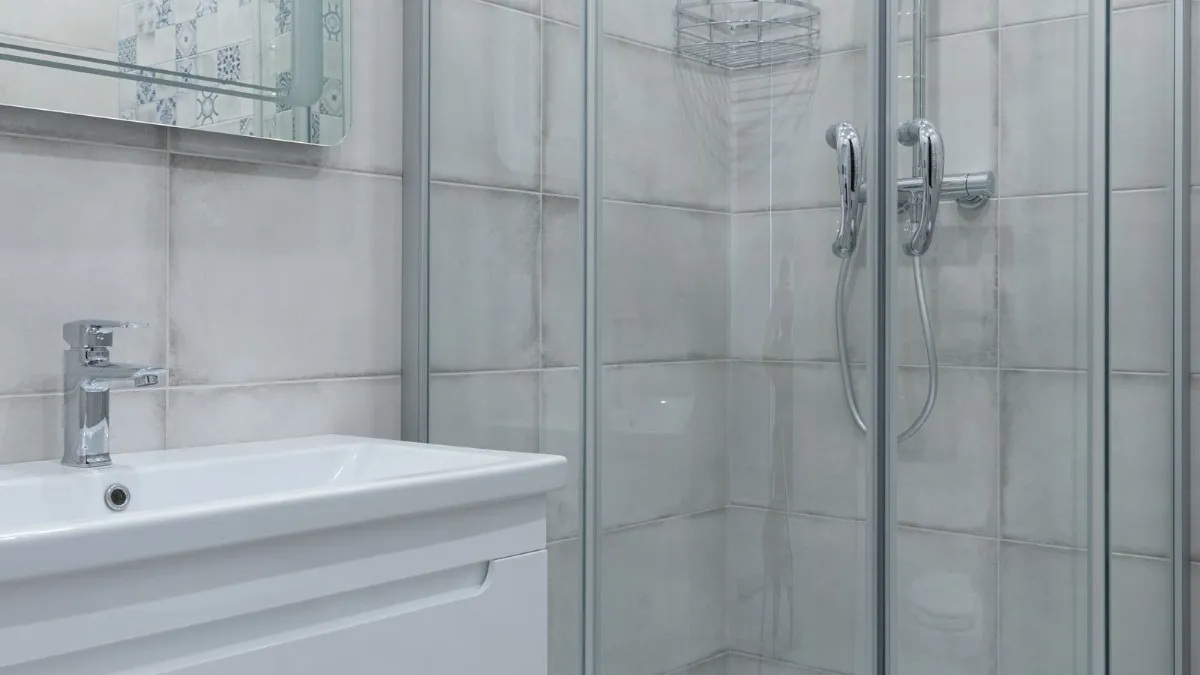
A corner shower sits in a corner with two walls providing two sides, and a door or curtain closing the open sides. Types: Square corner shower. A square pan with two open sides, usually with a sliding or hinged door. Neo-angle shower. A five-sided pan with a clipped corner and an angled door. American Standard’s 36-1/4 inch neo-angle shower base is an example. Quarter-round shower. A curved front for tight spaces. Corner shower kit. Includes pan, walls and door. Tiled corner shower. Custom. Block Renovation publishes a corner shower guide covering tile designs and costs.
Standard Sizes
A 36 by 36 unit is commonly described as the standard size for small bathrooms, and a 42 by 42 unit is the step up for more space. The 36 by 36 inch model is the industry standard for small bathrooms, per one source. Neo-angle units in the 36 by 36 and 38 by 38 range are the most common. The most common standard sizes for a neo-angle shower are 36 by 36 inches and 38 by 38 inches. One retailer-oriented guide describes the 38 by 38 as a pentagonal footprint with an angled door that feels more open than a square 36 by 36. Showers smaller than 32 by 32 inches might feel tight, especially if you are taller or like to stretch.
For pan size basics, see the shower pan sizes guide, where 32 by 32 is a common small corner size and 36 by 36 is an accessibility minimum per one source.
| Size (inches) | Shape | Notes |
|---|---|---|
| 32 x 32 | Square | Compact, can feel tight |
| 36 x 36 | Square or neo-angle | Standard small-bathroom size |
| 38 x 38 | Neo-angle | More open feel |
| 42 x 42 | Square or neo-angle | Roomier |
Neo-Angle vs Square
Neo-Angle Pros
Neo-angle showers use a clipped-corner design to increase floor space in front of the unit, making them ideal for cramped layouts. The angled door can feel more open. Helps when the door or fixtures are near the shower.
Neo-Angle Cons
Key points: the interior showering area is slightly reduced due to the clipped corner; they require specialized shower pans; costs can be higher; fewer door options.
Square Corner Pros
Key points: simple, affordable, fits in any 90 degree corner, per one guide; more interior space for the same footprint; easier to find parts.
Square Corner Cons
Sharp outer corners can impede traffic flow in very narrow bathrooms.
A neo-angle enclosure makes most sense when it solves a specific layout conflict, such as clearance around a door or fixtures, rather than as a default choice. Horow publishes a neo-angle shower door sizes, pros, cons and buying guide.
Doors
Pivot (hinged) door. Swings out. Needs clearance. Sliding door. Saves swing space but has a track. Neo-angle door. Often pivots at the angled front. Shower curtain. Needs a curved or corner rod. See the shower rod guide. Glass panels with no door for a walk-in look.
Choose tempered glass, and a door that does not hit the toilet or vanity.
Pans and Bases
Square pans are common. Neo-angle pans are specialty. PDI sells a DuraBase 36 by 36 neo-angle shower floor. Check drain placement (center for neo-angle). Check the threshold height. See the shower pan sizes guide. For a curbless corner shower, see the curbless shower guide.
Walls and Finishes
Key points: prefab wall panels (fiberglass or acrylic). See the shower inserts guide; tile walls. Custom look, more cost and grout care; waterproofing behind walls is essential.
Small Bathroom Fit
Measure the corner and the door swing. Keep at least a comfortable space in front of the toilet and vanity. See the powder room guide for clearances. Choose a clear glass enclosure to keep the room feeling bigger. Light colors help. Consider a corner shelf for toiletries. See the bathroom shelf guide.
Installation and Plumbing
Key points: corner showers often reuse existing plumbing in the corner, but drain location matters; waterproof carefully; check local code for minimum shower sizes; hire a licensed plumber for drains and valves.
What are the main strengths and weaknesses?
On the plus side: uses a corner efficiently; many sizes; often affordable; good for small bathrooms. On the downside: less interior room than an alcove of the same width; neo-angle needs special pans; door swing needs clearance; not ideal for tall or large users in tiny sizes.
How to Choose a Corner Shower
Measure the corner and the room. Choose size: 36 by 36 is common. Choose square or neo-angle. Check door swing. Check drain location. Choose pan, walls and door. Plan waterproofing. Check local code. Read independent reviews. Hire pros.
What mistakes should you avoid?
A few common mistakes are worth avoiding: choosing a shower smaller than 32 by 32; ignoring door swing; picking neo-angle without a layout reason; forgetting special pan requirements; skipping waterproofing; trusting affiliate picks without checking specs.
Frequently Asked Questions
What size is a standard corner shower?
36 by 36 inches is the standard for small bathrooms, per one source.
What are neo-angle shower sizes?
Most commonly 36 by 36 and 38 by 38 inches.
Is neo-angle better than square?
It frees floor space in front but reduces interior room and needs special pans.
Is 32 by 32 big enough?
It can feel tight, especially for taller people.
Do corner showers need a special door?
Often yes, especially neo-angle.
Can I tile a corner shower?
Yes, with proper waterproofing.
Conclusion
A corner shower is a smart way to use bathroom space. Choose 36 by 36 as a solid small-bathroom size, decide between square and neo-angle for your layout and check door swing and drain location.
Waterproof carefully and hire a pro for plumbing. A good corner shower gives a compact bathroom a comfortable shower.
Related guides
 Roll-In Shower: Size, Threshold, Slope and What Accessibility Rules Usually RequireA roll-in shower is a shower with no curb, so a person using a wheelchair can roll straight in. Vendors…Read more →
 Shower Shelf: Tension Pole, Adhesive and Built-In Types, Weight and RustThere are three main types of shower shelf: tension-pole caddies, adhesive-mounted shelves and glued-in or…Read more →
 Camp Shower Guide: Solar Shower Bags, 5-Gallon Capacity, Heating Time, Water Temperature Safety and SetupQuick answer: a camp shower is a portable shower for camping, RV trips and beach days. The most common type is…Read more →
 Shower Squeegee Guide: How to Use It Daily, Prevent Mold and Hard Water Spots, Blade and Handle TipsQuick answer: a shower squeegee removes water from glass, tile and fixtures right after you shower, before it…Read more →