
Tub Shower Combo Guide: Standard Sizes, Replacement vs Walk-In Shower Conversion and Cost Ranges
Quick answer: a tub shower combo is a bathtub with a shower above it in one alcove. It keeps a soaking option and a shower in one footprint. A prefab combo installation starts around $1,000 in one guide, while converting to a walk-in shower runs roughly $4,000 to $10,000 or more, with hidden damage able to raise costs. Get at least three local quotes.
This article is part of our shower guide, where you can compare related options.
The tub shower combo is the workhorse of American bathrooms. It saves space, serves families and keeps resale options open. But many owners debate whether to keep it, replace it or convert to a walk-in shower. This guide explains what a combo is, why people keep it, how replacement and conversion compare, cost ranges, hidden problems and how to decide. The search found nothing specific to a standard 60 by 30 by 60 inch combo, so cost figures here are general tub-to-shower numbers. This is not plumbing or construction advice.
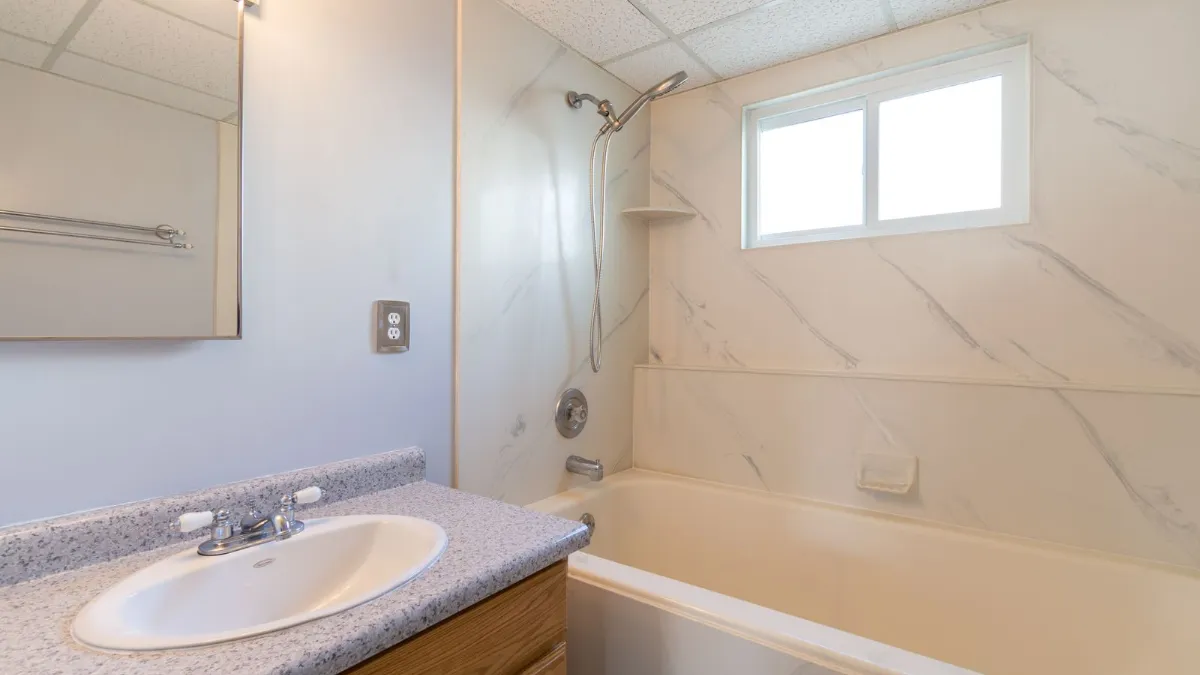
What Is a Tub Shower Combo?
A tub shower combo has a bathtub and a shower in the same alcove, usually with a curtain or a glass door. The tub is typically about 60 inches long (general knowledge), which is why 60 inch shower rods and curtains are standard. See the shower rod guide. Types: One-piece fiberglass or acrylic unit. Fast and affordable. See the shower inserts guide. Tub with tile walls. Custom look. Tub with a surround panel kit. Walk-in tub combo. Has a door in the tub side for accessibility. Angi covers pros and cons of walk-in tubs.
Why Keep a Tub Shower Combo?
Soaking. A combo unit is the usual choice for keeping a soaking option, as one source notes. Kids and pets. Easy bathing. Resale. Buyers often want at least one tub in a house. (General real-estate view; check locally.). Space efficiency. One fixture does two jobs. Cost. Often cheaper than a custom walk-in shower.
Replacement Costs
Figures from the search, with caveats: One guide puts a combo installation starting around $1,000, not including removing the old unit. Another estimates a same-location alcove tub replacement at $1,500 to $4,000. Removing an existing tub has its own cost. One source says an ascot tub can be removed for around $200 to $300, depending on the material and size.
A prefab combo is the cheapest route. Step-in inserts and prefab kits are the quickest ways to reduce both cost and downtime. Keeping the same footprint is also the simplest option.
Converting to a Walk-In Shower
Costs and notes: One guide lists a walk-in shower conversion at roughly $4,000 to $10,000 for a basic tile, glass and fixtures setup. Another source gives a broader range: $4,500 to $12,000 total, depending on materials and scope.
Pros
It can make the room feel larger. One guide notes that swapping a tub-shower combo for a dedicated walk-in shower can free up enough room to add a double vanity or expand storage. It can help resale. One source says a large walk-in shower can be a major attraction to buyers. It improves accessibility. Level-entry designs remove step-over height. See the curbless shower guide.
Cons
You lose the soaking option. Conversion is more involved than it looks. It involves demolition, waterproofing, a new shower base or custom tile floor, walls, a glass enclosure and fixtures. Hidden problems can raise the price. Warning signs include damage during dismantling, hidden structural damage, potential water damage and pipe replacement needs.
See the shower pan sizes and corner shower guides for base options.
Tub vs Walk-In Shower: How to Decide
| Question | Favors tub combo | Favors walk-in shower |
|---|---|---|
| Do you soak? | Yes | No |
| Do you have kids or pets to bathe? | Yes | No |
| Is mobility a concern? | No | Yes |
| Do you want more floor space? | No | Yes |
| Is budget tight? | Yes | No |
Block Renovation and Angi publish bathtub vs walk-in shower comparisons. If you have only one bathroom, many advisers prefer keeping a tub. Ask a local real estate agent about resale expectations.
Hidden Costs and Risks
Key points: rotted subfloor or framing; old or leaking pipes; mold behind walls; changes to plumbing location; permit fees; disposal of the old tub; delays.
Set aside a contingency. See the bathroom remodel cost guide.
DIY vs Hire a Pro
Replacing a combo involves removing a heavy tub, plumbing connections and waterproofing. Mistakes can cause leaks. Hire a licensed plumber or bath remodeler. Bathfitter and similar companies offer installation services. Get at least three quotes and compare them, as several sources recommend.
Maintenance Tips
Key points: squeegee glass and walls. See the shower squeegee guide; caulk gaps promptly; clean soap scum regularly; check the drain and overflow; wash the shower curtain. See the how to clean a shower curtain guide; keep the room ventilated.
What are the main strengths and weaknesses?
On the plus side: two functions in one; space efficient; affordable to replace; good for families and resale. On the downside: step-over height can be hard for some people; curtain or door cleaning; limited soaking depth in standard tubs; shower space is cramped for tall users.
How to Decide on a Tub Shower Combo
List who uses the bathroom. Decide if you want soaking. Check accessibility needs. Check your budget and quotes. Check the existing plumbing and walls. Think about resale. Choose prefab or custom. Plan for hidden costs. Hire licensed pros.
What mistakes should you avoid?
A few common mistakes are worth avoiding: trusting aggregator cost pages; forgetting hidden damage; removing the only tub in the house without thinking about resale; not getting multiple quotes; skipping waterproofing; choosing a combo that is the wrong size.
Frequently Asked Questions
What size is a tub shower combo?
The search had no specific size. A standard tub is about 60 inches long in general.
How much does it cost to replace a combo?
One guide says installation starts around $1,000, and an alcove tub replacement runs $1,500 to $4,000.
How much to convert to a walk-in shower?
Roughly $4,000 to $10,000 for a basic setup, or $4,500 to $12,000 in another source.
Will I lose a soaking tub?
Yes, if you convert to a walk-in shower.
What hidden costs can occur?
Water damage, structural damage and pipe replacement.
Do I need a permit?
Often yes for plumbing work. Check local rules.
Conclusion
A tub shower combo remains a practical choice for many homes. Keep it for soaking and family use, replace it with a prefab unit for the lowest cost or convert it to a walk-in shower for accessibility and space.
Costs vary widely, so get quotes and plan a contingency for hidden damage. A careful decision means a bathroom you will enjoy.
Related guides
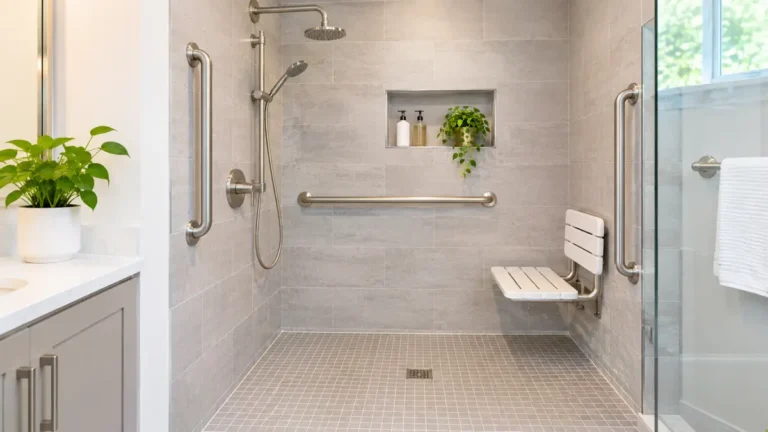 Roll-In Shower: Size, Threshold, Slope and What Accessibility Rules Usually RequireA roll-in shower is a shower with no curb, so a person using a wheelchair can roll straight in. Vendors…Read more →
 Shower Shelf: Tension Pole, Adhesive and Built-In Types, Weight and RustThere are three main types of shower shelf: tension-pole caddies, adhesive-mounted shelves and glued-in or…Read more →
 Camp Shower Guide: Solar Shower Bags, 5-Gallon Capacity, Heating Time, Water Temperature Safety and SetupQuick answer: a camp shower is a portable shower for camping, RV trips and beach days. The most common type is…Read more →
 Shower Squeegee Guide: How to Use It Daily, Prevent Mold and Hard Water Spots, Blade and Handle TipsQuick answer: a shower squeegee removes water from glass, tile and fixtures right after you shower, before it…Read more →



2 Comments