
Shower Curtain: Standard Size, Liners, Materials and Care
A shower curtain keeps water inside the tub and gives your bathroom some personality. It’s one of the cheapest ways to change the look of a bathroom, but it also has a job to do. A curtain that’s too short lets water on the floor, and one that stays damp grows mildew.
This article is part of our shower guide, where you can compare related options.
A shower curtain is a piece of fabric or plastic that hangs from a rod around your tub or shower. Many people use two layers: a decorative curtain on the inside or outside and a waterproof liner behind it. The curtain handles the style, and the liner handles the water.
This guide covers the standard shower curtain size, the main materials, how liners and curtains work together, how to stop mildew and how to clean them. You’ll also find a comparison table and answers to common questions.

What Is the Standard Shower Curtain Size?
The most common size is 72 inches wide by 72 inches tall. Many product listings describe 72 by 72 inches as the standard size that fits most tubs and showers. That’s 6 feet by 6 feet.
Not every bathroom is standard. Some tubs have a taller rod. Walk-in showers may need a wider curtain. Stall showers are smaller, often needing a 54 by 78 inch curtain. Extra-long curtains, such as 72 by 84 inches or 72 by 96 inches, are made for higher rods. Extra-wide curtains, such as 108 inches wide, fit wide or corner showers.
To pick the right size, measure from the rod to the bottom of the tub rim, or about an inch above the floor, depending on whether you want it to hang outside the tub. Then measure the width of the rod. A curtain that’s a bit wider than the opening gives more coverage and prevents splashes at the sides.
| Setup | Common curtain size |
|---|---|
| Standard tub or shower | 72 x 72 inches |
| Tall rod or ceiling-height rod | 72 x 84 or 72 x 96 inches |
| Stall shower | About 54 x 78 inches |
| Wide or corner shower | 108 inches wide or more |
Check the actual product listing, since sizes vary a little by brand.
Shower Curtain vs Shower Liner
A shower curtain is the decorative piece. It can be fabric, plastic or a blend. A shower liner is the plain layer that keeps water from escaping. Many liners are clear or frosted plastic, and some are fabric with a water-resistant coating.
You can use the two together. The liner hangs inside the tub, and the curtain hangs outside, so the water hits the liner and the curtain stays dry and looks nice. Or you can use a single waterproof curtain that works as both.
Using two layers has benefits. The liner can be washed or replaced often, which is cheaper than replacing a decorative curtain. The curtain stays cleaner and lasts longer. The downside is that two layers can feel fussy, and you have two items to clean.
Shower Curtain Materials
Fabric (polyester): polyester is common, soft and machine washable. Many fabric curtains are water-resistant, but some are not fully waterproof. That’s why a liner is often used. Cotton and cotton blends: they look natural and feel nice, but they absorb water and can grow mildew if they stay damp. Use a liner underneath. PEVA: a plastic material often sold as a vinyl alternative. Sellers describe it as PVC-free, chlorine-free and odorless. It’s lightweight and commonly marketed as mildew-resistant. Care instructions vary, and one maker says to hand wash and air dry, so check the label. Vinyl (PVC): a common, low-cost plastic. It’s waterproof and easy to wipe clean. Some vinyl liners include antimicrobial additives, such as Microban, to resist mildew. Vinyl can have a stronger smell when new. EVA: similar to PEVA, usually a thicker, softer plastic. Waffle, linen and quilted fabrics: mostly decorative, with a spa-like feel. They need a liner.
| Material | Waterproof? | Easy to wash? | Notes |
|---|---|---|---|
| Polyester | Often water-resistant | Yes | Good for curtains, use a liner if needed |
| Cotton | No | Yes | Needs a liner |
| PEVA | Yes | Check label | PVC-free option |
| Vinyl (PVC) | Yes | Often yes | Can have a smell at first |
| EVA | Yes | Check label | Thicker plastic |
How to Choose a Shower Curtain
Measure your tub or shower. Check the rod width and the drop you need. Pick the size. Use 72 by 72 if you have a standard setup. Choose longer or wider if your rod is higher or your shower is larger. Choose the material. Polyester for a soft look, PEVA or vinyl for waterproof use. Decide on a liner. If your curtain is not waterproof, buy a liner. Look at weight. Heavier curtains and liners hang better and don’t blow inward as much. Some have weighted hems or magnets at the bottom. Check the top. Reinforced buttonholes or grommets last longer than thin holes. Some liners have 12 buttonholes, and that’s common. Pick the color and pattern. Light colors make a small bathroom feel bigger, and patterns hide water spots. Read the care label. Make sure you can clean it the way you plan to.
How to Hang a Shower Curtain
Use a tension rod or a mounted rod. Slide the hooks or rings onto the rod. Hang the liner and curtain so the bottom of the liner sits inside the tub and the curtain hangs on the outside edge. Leave a small gap at the bottom so air can circulate. If the curtain blows inward, try weights, magnets or a longer curtain.
Replace rusted hooks. Plastic rings are rust-proof, and metal rings with a good coating last a long time.
How to Stop Mildew on a Shower Curtain
Mildew likes damp, warm places. A few habits make a big difference.
Spread the curtain out after every shower. A bunched curtain stays wet and grows mildew faster. Run the bathroom fan or open a window. Good airflow dries the curtain. Leave a gap at the bottom. Air can pass underneath. Choose materials designed to resist mildew. PEVA and antimicrobial liners are marketed for this, though results over time vary. Wash or replace the liner often. Liners are cheap, and they take the most abuse. Wipe soap scum. Soap residue feeds mildew.
How to Clean a Shower Curtain
Care depends on the material. Check the label first.
Fabric curtains: many are machine washable. Use a gentle cycle with mild detergent and hang to dry. You can add a couple of towels to the wash to help scrub the curtain. Vinyl liners: some sellers say these can go in the washing machine on a gentle cycle. Hang to dry right away. PEVA liners: one maker advises hand washing and air drying. Machine washing can damage some PEVA liners. Spot cleaning: for light mildew, wipe the spot with a mix of white vinegar and water, or a gentle bathroom cleaner. Rinse well.
If a liner has deep stains or a persistent smell, replace it. A new liner costs little, and it’s often better than scrubbing a worn one.
Frequently Asked Questions
What is the standard size of a shower curtain?
72 inches wide by 72 inches tall is the standard size for most tubs and showers.
Do I need a liner if I have a shower curtain?
If your curtain is not waterproof, yes. A liner keeps water inside the tub. A fully waterproof curtain can work alone.
What is the best material for a shower curtain?
It depends on your needs. Polyester is soft and washable, PEVA is a PVC-free option and vinyl is low cost and waterproof. Cotton looks nice but needs a liner.
How often should I wash a shower curtain?
Many people wash it every month or two, or whenever it looks dirty or smells damp. Liners may need replacing every few months.
Can I put a shower curtain in the washing machine?
Many fabric curtains and some vinyl liners can be, but check the label. Some PEVA liners should be hand washed.
How do I keep my shower curtain from blowing in?
Use a heavier curtain or liner, add weights or magnets at the hem or hang it so the liner sits inside the tub.
Conclusion
A shower curtain should fit your tub, keep water in and be easy to keep clean. Start with the standard 72 by 72 inch size, then adjust if your rod or shower is taller or wider. Pair a decorative curtain with a waterproof liner, or choose a single waterproof curtain for simplicity.
Spread the curtain out after you shower, keep the room well ventilated and follow the care label. When a liner gets stained or smelly, replace it. Small habits keep your shower looking fresh.
Related guides
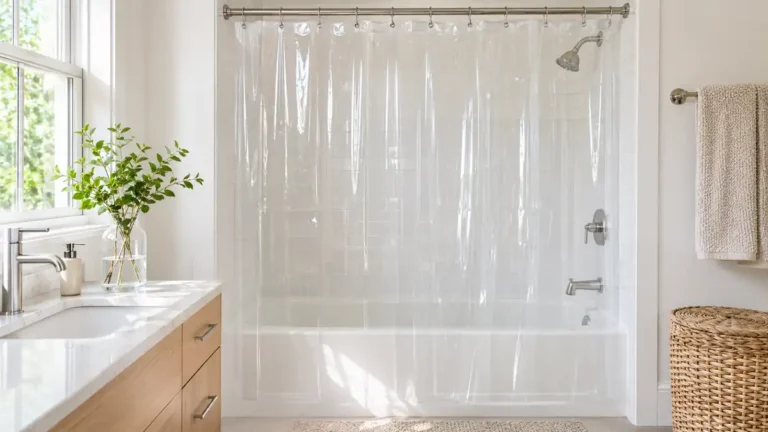 Shower Curtain Liner Guide: PEVA vs Polyester vs Vinyl, Mold Resistance, Magnets and CleaningA shower curtain liner is the hidden hero of the bathroom. It hangs inside the tub, catches the water and keeps…Read more →
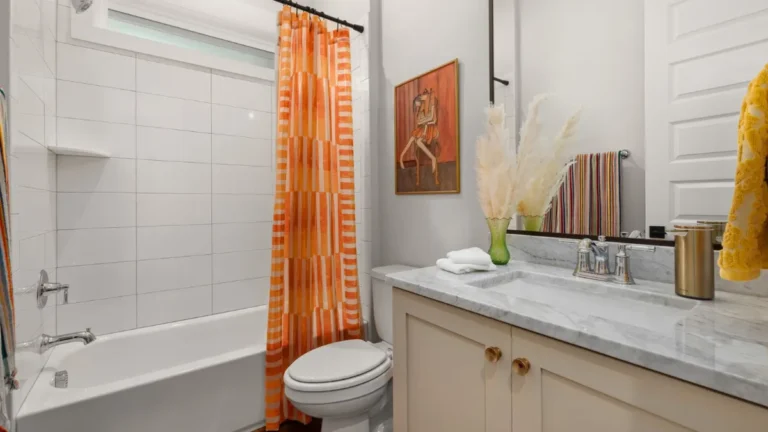 Shower Curtain Rod Guide: Tension vs Fixed, Straight vs Curved, Size and HeightA shower curtain rod looks like the simplest item in the bathroom, but it causes more small problems than…Read more →
 Standard Shower Curtain Size: 72 x 72 Inches, Stall 54 x 78, Extra Long 72 x 84 and Liner SizesQuick answer: the standard shower curtain is 72 inches wide by 72 inches long, made for tub-and-shower combos.…Read more →
 How to Clean a Shower Curtain: Fabric, Plastic Liner, Mold and MildewA shower curtain lives in the dampest place in your house. Soap scum, body oils and moisture build up on it,…Read more →




3 Comments