
Shower Head: Types, Flow Rate and How to Choose the Right One
A shower head changes how your morning starts. A good one gives you a steady spray, warm water and strong enough pressure to rinse shampoo. A bad one drips, sputters or feels like a light drizzle. The best news is that swapping a shower head is one of the easiest bathroom upgrades.
This article is part of our shower guide, where you can compare related options.
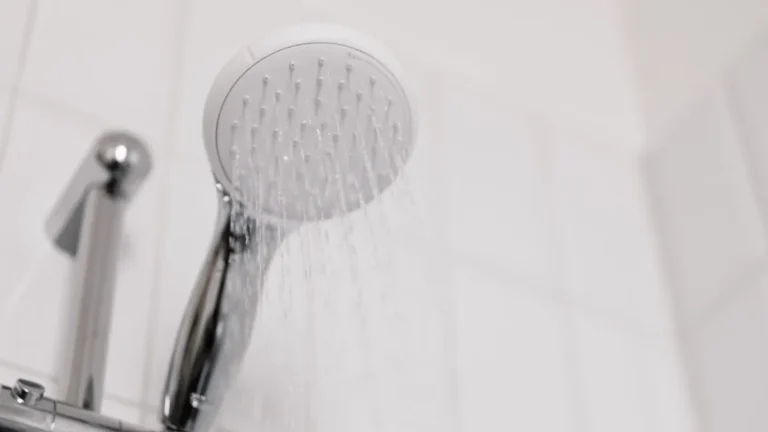
A shower head is the fixture at the end of your shower arm that sprays water. It controls how the water comes out, including the pattern, the force and the amount used. Some are simple and fixed. Others have several spray modes, a handheld wand or a large rain-style face.
This guide covers the main types, flow rate and WaterSense, how to fix weak pressure and how to install a new shower head in a few steps. You’ll also find a comparison table and answers to common questions.

Types of Shower Heads
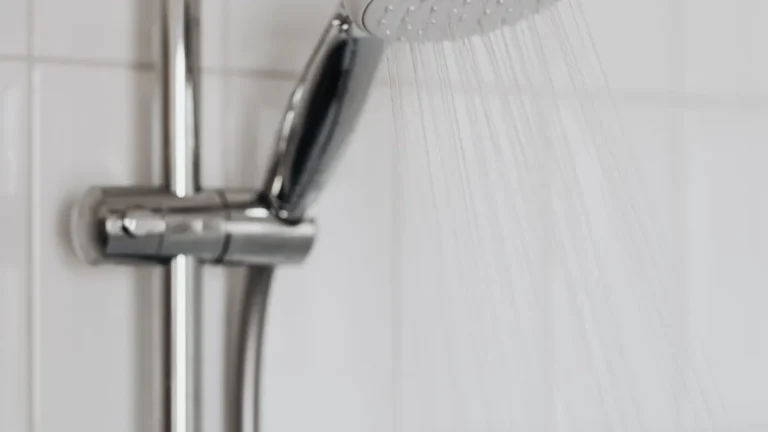
Fixed shower heads: these attach to the shower arm and stay in place. They’re simple, low-cost and easy to install. Handheld shower heads: a handheld head is on a hose, so you can aim it. It helps with washing kids, pets or the shower walls. It’s also useful for people who have trouble standing for long. Rain shower heads: these are large and flat, and water falls in a wide, gentle spray. They create a soft, spa-like feel. They often need good water pressure to feel strong. Dual or combination shower heads: these pair a fixed head with a handheld one. You can use them separately or together. High-pressure shower heads: these use a design that makes a stronger spray without using more water. They suit homes with lower pressure. Filtered shower heads: these have a cartridge that reduces chlorine or other things in the water. Filters need replacing on a schedule.
| Type | Best for | Watch out for |
|---|---|---|
| Fixed | Simple, low-cost setups | Fewer features |
| Handheld | Kids, pets, cleaning, accessibility | Hose and holder to manage |
| Rain | Soft, wide spray | Needs good pressure |
| Dual | Flexibility | Check combined flow |
| High-pressure | Low-pressure homes | Spray can feel sharp |
| Filtered | Water quality concerns | Replace the filter |
What Is Flow Rate and What Does GPM Mean?
Flow rate tells you how much water a shower head uses. It’s measured in gallons per minute, or GPM. The federal standard in the United States is 2.5 GPM. Many heads use less.
WaterSense is a label from the U.S. Environmental Protection Agency. A WaterSense shower head uses 2.0 GPM or less, which is about 20 percent below the standard. The program also sets a minimum performance level. A head rated at 2.0 GPM should not drop below 1.5 GPM, even in a home with low water pressure.
Rules vary by region. California, for example, requires newly installed shower heads to use no more than 1.8 GPM. Check your local rules before you buy.
You’ll usually find the flow rate stamped or printed on the neck, rim or underside of the shower head. If you can’t find it, look at the product listing or the box.
Flow Rate vs Water Pressure
Many people mix up flow and pressure, but they’re different. Flow is the amount of water. Pressure is the force that pushes the water through your pipes. A new shower head can change how the spray feels, but it can’t fix a pressure problem that starts in the walls or the water supply.
Some designs make low flow feel stronger. Aerating heads mix air with water to create a misty spray. Laminar-flow heads make separate streams of water. Each feels different, so read reviews before you pick one.
If your whole house has weak pressure, the cause could be a pressure regulator, old pipes or a shared supply. A plumber can check this. If the shower head is the only weak point, mineral build-up is a common cause.
How to Fix Low Water Pressure in a Shower
Try these steps before you buy anything.
- Clean the nozzles. Minerals can clog the small holes. Unscrew the head and soak it in white vinegar for a few hours. Then scrub the holes with a soft brush.
- Check the flow restrictor. Many heads have a small disc inside to limit flow. Don’t remove it unless local rules and the maker allow it, since it’s there to save water.
- Check for kinks. On a handheld model, make sure the hose isn’t bent or twisted.
- Look at the valve. Make sure the shut-off valve is fully open.
- Test other taps. If every tap has low pressure, it’s a home-wide issue, and you may need a plumber.
How to Install a Shower Head
Most people can change a shower head in about 10 minutes with simple tools.
- Remove the old head. Turn it counterclockwise by hand. If it’s stuck, wrap a cloth around it and use a wrench gently to avoid scratching the finish.
- Clean the threads. Wipe the shower arm threads and remove old tape.
- Wrap plumber’s tape. Wind it around the threads two or three times, in the same direction the new head will screw on.
- Screw on the new head. Turn it clockwise by hand, then give it a small snug turn with a wrench if needed. Don’t overtighten.
- Run the water. Check for leaks. Most leaks can be fixed by making the connection tight, or by adding fresh tape.
- Adjust the angle. Point the head where you want the spray.
If you’re worried about your hot water system or the connections, hire a plumber.
How to Choose a Shower Head
Check your pressure. Low pressure homes may like high-pressure or aerating designs. Pick the type. Fixed for simple use, handheld for flexibility, rain for a soft feel. Look at the flow rate. WaterSense models use 2.0 GPM or less, which helps cut water and energy bills. Check spray settings. Some heads offer several modes. Pick the ones you’ll actually use. Pick a finish. Chrome, brushed nickel, matte black and bronze are common. Match your faucet and fixtures. Check cleaning features. Rubber nozzles that you wipe with a finger help fight mineral build-up. Read the warranty. Look for coverage on the finish and the parts.
Shower Head Cleaning and Care
Hard water leaves white scale on the nozzles. Every few months, soak the head in white vinegar, then rinse. For a head that you can’t remove, fill a plastic bag with vinegar, tie it around the head with a rubber band and leave it for a few hours. Rinse well afterward.
Be careful with delicate finishes like brass or matte black. Check the maker’s care guide before using vinegar, since acid can damage some coatings. Replace filter cartridges when the maker says to.
Frequently Asked Questions
What is a good GPM for a shower head?
WaterSense models use 2.0 GPM or less. Many people find 1.8 to 2.5 GPM comfortable, but the right choice depends on your water pressure and local rules.
What does WaterSense mean on a shower head?
WaterSense is an EPA label. It means the shower head uses 2.0 GPM or less and meets performance standards for spray quality.
Does a new shower head increase water pressure?
Not really. A shower head can change how the spray feels, but it can’t raise the pressure in your pipes. If the whole house has weak pressure, check the supply.
How often should I replace a shower head?
There’s no fixed schedule. Replace it when it’s cracked, leaks, has clogged nozzles that won’t clean or when you want a new style or flow rate.
Can I install a shower head myself?
Yes. Most people can unscrew the old one, wrap new plumber’s tape on the threads and screw the new head on in minutes.
Are rain shower heads good for low pressure?
They can feel weak in low-pressure homes, since they spread water over a wide area. Look for models that are designed for low pressure.
Conclusion
The right shower head fits your water pressure, your habits and your bathroom. Fixed and handheld models cover most needs, while rain heads add a soft, spa-like feel. Check the GPM, look for the WaterSense label and keep your local rules in mind.
If the spray is weak, try cleaning the nozzles first. When you do replace the head, wrap the threads with plumber’s tape and test for leaks. A small change can make your daily shower much better.
Related guides
 Best Shower Heads: Flow Rate, WaterSense, Rain vs Handheld and How to ChooseA shower head is one of the cheapest upgrades in a bathroom, and one of the most noticeable. A good one gives a…Read more →
 Handheld Shower Head Guide: Slide Bar Kits, Hose Length (60 to 72 Inches), Flow Rate GPM and Spray SettingsQuick answer: a handheld shower head is a detachable spray on a hose, often on a slide bar so you can also use…Read more →
 Tandem Shower Head Guide: Dual Shower Heads, Flow Rate, Water Pressure, Hot Water and InstallationQuick answer: a tandem or dual shower head setup puts two shower heads in one shower. Federal rules cap a…Read more →
 How to Fix a Leaking Shower Head: Causes and Step-by-Step RepairsA dripping shower head wastes water, stains the tub and keeps you awake at night. The good news is that most…Read more →




2 Comments