Couch Covers: Types, How to Measure and How to Choose the Right One
A couch cover can save a sofa you love. It hides stains, protects the fabric from pets and kids and gives an old couch a fresh look without the cost of a new one. But a cover that doesn’t fit looks messy and slides around all day, so it pays to choose carefully.
This article is part of our sofa and couch buying guide, where you can compare related options.
A couch cover is a piece of fabric made to fit over a sofa. Some stretch tightly over the whole frame. Others drape loosely or sit on top as a throw. They protect the couch from spills, claws, fur and sun, and they’re usually easy to remove and wash.
This guide explains the main types of couch covers, how to measure your sofa, which fabrics work for pets and kids and how to care for a cover. You’ll also find a comparison table, a buying checklist and answers to common questions.

Types of Couch Covers
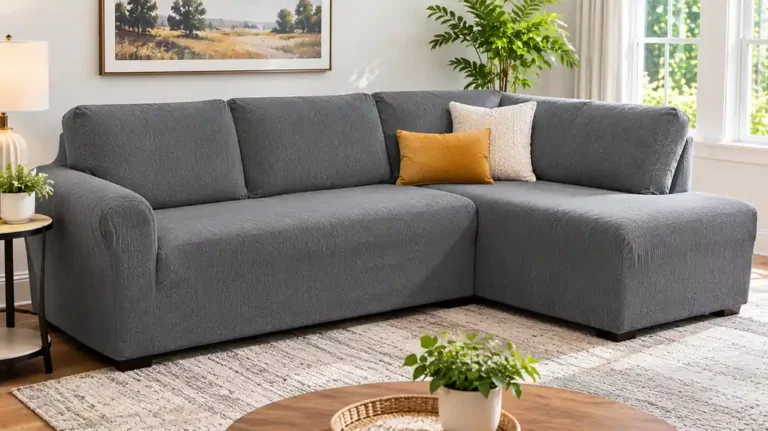
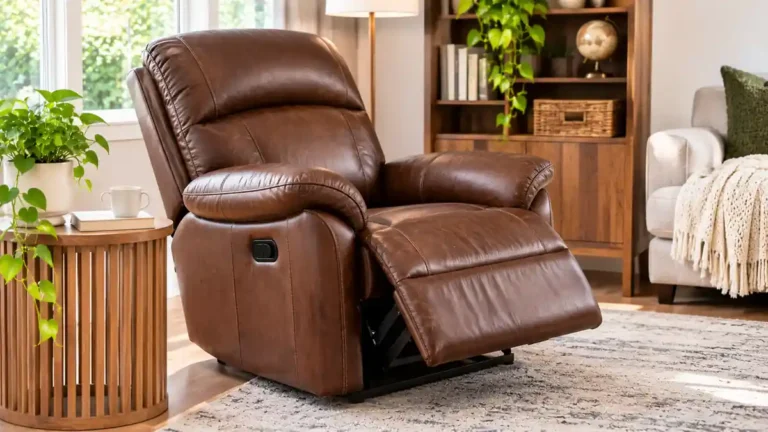
Stretch covers: these are made of elastic fabric that stretches around the seat, arms and back. They’re secured at the bottom, often around the legs. One source says stretch covers focus on universal fit, relying on high elasticity to match many sofa shapes. They give a close-fitting finish, though they may not suit every shape perfectly. Fitted slipcovers: these are cut to match the size and shape of a sofa, often with a separate piece for each cushion. They look closer to real upholstery, but they cost more and need accurate measurements. Loose-fit slipcovers: these drape over the sofa with a relaxed look. A relaxed style fits many sofa shapes, and a loose cover is easier to take off quickly for washing. Throw covers: a simple blanket or large throw that sits over the sofa. It’s the easiest option, though it slips and needs tucking in. Waterproof or protector covers: these have a water-resistant layer under the fabric, which helps with spills and pet accidents. Recliner and sectional covers: made for recliners, loveseats and L-shaped sectionals. Stretch fabric on a recliner moves with the frame and settles back afterward.
| Type | Fit | Best for | Watch out for |
|---|---|---|---|
| Stretch | Close, flexible | Many sofa shapes | May bunch on odd shapes |
| Fitted slipcover | Tailored | A clean, upholstered look | Needs exact measurements |
| Loose slipcover | Relaxed | Easy removal and washing | Can look wrinkled |
| Throw | Loose | Quick, low cost | Slips easily |
| Waterproof | Varies | Pets, kids, spills | Can feel less soft |
How to Measure Your Couch for a Cover
Good measurements prevent most fit problems. Use a soft tape measure and write each number down. Compare them to the size chart of the cover you want, since each maker uses its own sizes.
- Measure the width. Measure from the outside edge of one arm to the outside edge of the other. Include the arms.
- Measure the depth. Measure from the front edge of the seat to the back of the sofa.
- Measure the height. Measure from the floor, or from the bottom of the frame, up to the top of the back.
- Measure the back. Check the width across the top of the backrest.
- Measure the arms. Note the height, width and shape of each arm.
- Measure the cushions. Removable seat cushions should be measured on their own. One guide says treating cushions as part of the main body causes most fit errors.
- Measure the skirt drop. If the cover has a skirt, measure the distance from the seat to the floor.
If your sofa sits between two sizes, many guides suggest checking the maker’s guidance. Stretch covers may handle in-between sizes, while fitted covers need a close match.
Couch Cover Fabrics
The fabric decides how the cover looks, feels and wears.
Polyester and spandex blends: common in stretch covers. They’re light, easy to wash and usually low cost. Microfiber: a soft fabric that resists stains. It’s a common pick for homes with pets. Canvas and denim: durable fabrics for heavy use. They hold up well against claws and rough play. Linen and cotton blends: they look casual and breathe well, but they wrinkle and can stain more easily. Chenille and velvet: soft and cozy, though they may attract hair and show wear sooner.
If you have pets, choose a tight weave. Loops can catch claws. Dark or patterned colors hide fur and small stains better than white or cream.
Couch Covers for Pets and Kids
Pets and kids are tough on couches. A few features help.
Water-resistant backing keeps liquids from soaking into the cushions. Non-slip grips or foam strips hold the cover in place when pets jump up or kids climb. Machine-washable fabric makes cleaning simple. Stain-resistant finishes make spills easier to wipe up. Tight weaves resist claws and trap less fur.
Durable and stain-resistant fabrics for pet owners, and some suggest adding a protective layer. A second cover is useful, so you can swap one while the other is in the wash.
How to Put on a Couch Cover
- Wash and dry the cover first if the label allows. This removes creases and lets the fabric relax.
- Vacuum the couch. Take off fur and crumbs before covering.
- Start with the back. Pull the cover over the backrest and smooth it down.
- Fit the arms. Tuck the fabric around each arm.
- Cover the cushions. Slide each cushion cover on. Zip or tie if needed.
- Tuck the cover into the gaps. Push the fabric into the spaces between the seat and the back. Many covers come with foam rods to hold the tucks.
- Secure the bottom. Use straps or elastic bands to stop the cover from sliding.
- Smooth and adjust. Pull the wrinkles out, and make sure the seams line up with the sofa.
If the cover keeps shifting, add foam tuck rods or non-slip pads. A stretch cover usually stays in place better than a loose throw.
How to Wash and Care for a Couch Cover
Check the care label first. Many stretch covers can go in a washing machine, but large covers might not fit in a home washer. One source warns about this, so check before relying on machine washing. A laundromat machine may be the solution for big covers.
Use cold or warm water on a gentle cycle, with mild detergent. Avoid bleach unless the label allows it. Dry on low heat or air dry to avoid shrinking. Take the cover out while it’s still slightly damp, put it back on the couch and smooth it down. This helps it fit better and reduces wrinkles.
Vacuum the couch under the cover from time to time. Dust and fur can collect underneath and wear the sofa fabric.
How to Choose a Couch Cover
Know your sofa shape. Is it a standard sofa, a loveseat, a recliner or a sectional? Measure carefully. Use the steps above and compare them to the size chart. Choose the type. Stretch for an easy fit, fitted for a polished look, loose for easy washing. Pick the fabric. Microfiber or canvas for pets, softer fabrics for light use. Pick the color. Match your room, and think about hiding stains and fur. Check the care label. Make sure you can wash it the way you need. Look for extras. Foam rods, straps, non-slip backing and cushion covers. Read the return policy. Fit is hard to judge online, so a return option helps.
What mistakes should you avoid?
A few common mistakes are worth avoiding: guessing the size (measure first. A cover that’s too small tears or slides, and one that’s too big looks baggy); ignoring the cushions (check whether the cover includes separate cushion covers); choosing the wrong fabric for pets (loose weaves can snag claws); skipping the care label (some covers shrink or fade if washed the wrong way); expecting a perfect fit from a stretch cover on an unusual sofa (very curved or high-back sofas may need a tailored slipcover).
Frequently Asked Questions
What is the difference between a couch cover and a slipcover?
A couch cover is the general term. A slipcover is usually tailored to the shape of a sofa and looks like upholstery. Stretch covers use elastic fabric to fit many shapes.
How do I know what size couch cover to buy?
Measure the width, depth and height of your sofa, including the arms and cushions. Then compare your numbers to the size chart for the cover you want.
Are couch covers good for pets?
Yes, if you choose a durable, stain-resistant fabric like microfiber or canvas. Water-resistant backing and non-slip grips help too.
Can you wash a couch cover?
Most can be washed, but check the care label. Large covers may not fit in a home machine. Use gentle settings and low heat.
How do I keep a couch cover from sliding?
Use foam tuck rods, straps or non-slip pads. Tuck the fabric into the gaps and secure the bottom edge.
Do couch covers fit sectionals and recliners?
Yes, but you need covers made for those shapes. Stretch fabric works well on recliners because it moves with the frame.
Conclusion
A couch cover protects your sofa, hides wear and updates your room for a fraction of the price of a new couch. Measure your sofa carefully, choose a type that matches your needs and pick a fabric that suits your household, especially if you have pets or kids.
Read the care label, keep a spare cover for wash days and use foam rods or straps to hold the fit. With the right cover, your couch can look good for years.
Related guides
 Couch Covers for Dogs: Waterproof vs Water-Resistant, How to Measure, Fit, Anchoring and WashingQuick answer: the best couch covers for dogs are washable, truly waterproof if accidents happen and held in…Read more →
 Sectional Couch Covers Guide: How to Measure, Stretch vs Fitted, Fabrics and Pet ProtectionA sectional is a big investment, and also a big target: for spills, pet hair, claws, sun fading and kids with…Read more →
 Fainting Couch: What It Is, Real History, Myths and How to Use One TodayA fainting couch is a long, narrow couch with a raised end, made for reclining with the legs up. It was popular…Read more →
 Couch Table Guide: Sofa Table Height, Width, Depth and Walkway SpaceWhen people search for a couch table, they often mean one of two things: a narrow table that sits behind the…Read more →