
Frameless Shower Door Guide: Glass Thickness, Hardware, Seals, Cost and Installation
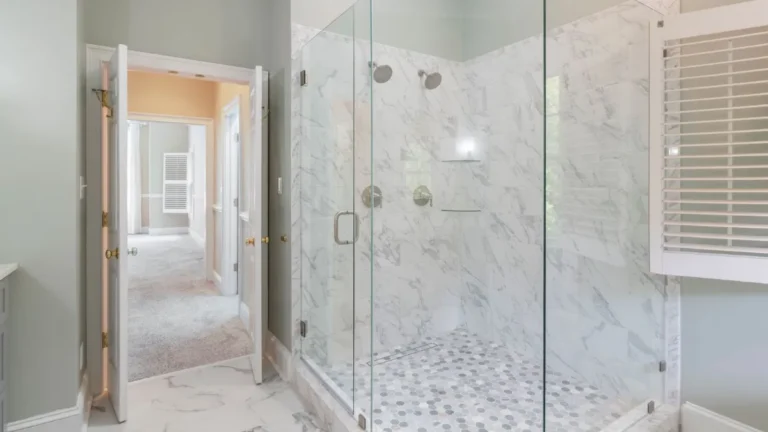
A frameless shower door looks like glass with almost nothing holding it. There is no metal border around the panels, just a few hinges, clips and a handle. The look is clean and modern, it makes a bathroom feel bigger and it shows off tile. It is also one of the more expensive shower door choices, and it demands careful measuring and installation.
This article is part of our shower guide, where you can compare related options.
A frameless shower door uses thick tempered glass that supports its own weight, with small pieces of hardware instead of a full frame. This guide goes into the frameless type in detail: glass thickness, hardware, seals and leaks, installation, cost compared with framed doors, cleaning and how to choose. For a broader comparison of framed, semi-frameless and frameless doors, see the shower door guide. The sources here were mostly glass companies, retailers and cost sites, and their numbers vary widely, so use them as rough guides and get local quotes.

Glass Thickness
Frameless doors rely on the glass itself for strength.
Frameless doors typically use 3/8 inch tempered glass, according to the sources. Some use 1/2 inch for extra heft. Framed doors typically use 1/4 inch or thinner glass, such as 3/16 inch, which is lighter and easier to handle. 3/8 inch glass is about 1.5 times heavier than 1/4 inch glass, and the weight demands load-rated hinges and strong hardware.
Always make sure the glass is tempered (safety) glass. It breaks into small pieces instead of sharp shards.
Clear glass shows the tile and makes the room feel open. Low-iron glass has less green tint. Frosted, textured or patterned glass adds privacy. Some glass has a water-repellent coating to make cleaning easier.
Hardware
With no frame, the hardware does the work.
Hinges. Heavy-duty hinges in brass or stainless steel carry the weight. They come in finishes like chrome, brushed nickel, matte black and oil-rubbed bronze. One source gives a figure of around $80 for hinges, but prices vary by brand. Handles and pulls. A bar, knob or pull handle. Choose a comfortable shape and a finish that matches your faucet. Clips and brackets. Hold fixed panels to the wall. Header or support bar. Some larger doors have a thin bar for extra stability. Magnetic seals. Help the door close tightly. Sweeps and strips. Seal the bottom and sides.
Heavy-duty hinges, handles and magnetic sealing systems all cost more than basic framed equivalents, according to one source. Quality hardware matters, because a cheap hinge can sag or fail under the weight of thick glass.
Seals and Leaks
One says framed doors include rubber seals that limit leaks even when installation is not perfect, and frameless doors lack that safety margin, so puddles can appear if installation has problems. Another says frameless doors have built-in seals that effectively prevent leaks.
Both can be true. A well-installed frameless door with proper seals, sweeps and a good layout can stay dry. A poorly measured one can leak. Many frameless showers have small gaps by design, so water can escape if the shower head points at the opening. Plan the layout: aim the shower head away from the door, add a fixed panel and use a threshold or curb.
Installation
Frameless installation is more demanding than framed.
Measuring. Walls, curbs and floors are rarely perfectly straight. Frameless doors need precise measurements, and custom glass cannot be adjusted on site. A framed door’s adjustable frame hides small errors. If your top and bottom widths differ by more than about 1/4 inch, a framed or semi-frameless door may be easier to fit. Custom glass. Many frameless doors are cut to order, which can take days or weeks. Time. A basic framed door might take half a day for a one-door project, while frameless installations can need a full day or more for precise sealing and glass handling. Weight and safety. Thick glass is heavy and can be dangerous to handle. Professional installation is the usual recommendation. Wall support. The hinges mount into the wall or tile. Check what is behind the tile, and use proper anchors. Sealing. Silicone and seals must be applied correctly.
If you plan DIY, be honest about your skills and ask for help. A mistake with thick glass can be costly and unsafe.
Cost
One source puts installed prices at $1,500 to $3,500 for frameless versus $400 to $900 for framed. Another puts a framed shower door at $300 to $400 (for 60-inch doors, installed) and a frameless door at $900 to $1,200.
Regional labor rates, glass type, hardware finish, size and layout explain the spread. Add-ons such as special glass coatings, custom sizes, extra panels and removal of an old door increase the price.
When comparing quotes, ask:
- What glass thickness and type is included?
- What hardware brand and finish?
- Is installation included?
- Is old door removal included?
- What warranty is offered?
- What is the timeline for custom glass?
Cleaning and Maintenance
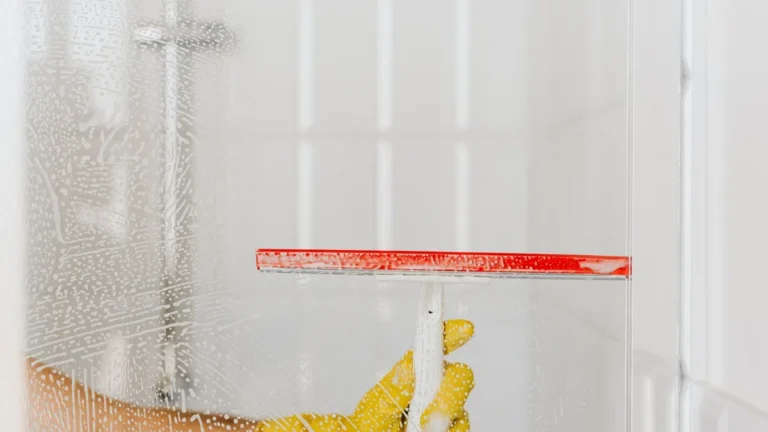
Squeegee the glass after each shower to reduce water spots. Wipe the hardware and the seals weekly. Use a mild glass cleaner or a vinegar and water mix on glass. Check that it is safe for hinges and finishes. Consider a protective glass coating. It helps water bead and run off. Avoid abrasive pads that can scratch. Check hinges and screws now and then. Replace worn seals. Run the exhaust fan. See the how to clean shower tiles guide.
Frameless doors have fewer places for grime to hide than framed ones, but they show every water spot. Hard water leaves marks, so regular wiping helps.
What are the main strengths and weaknesses?
On the plus side: clean, modern look; makes the bathroom feel larger; fewer places for soap scum to hide; shows off tile; many layout options: hinged, pivot, sliding and fixed. On the downside: higher cost; needs precise measurement and installation; heavy glass; possible leaks if poorly installed; shows water spots; custom orders take time.
Frameless vs Framed
A framed door has a metal border, thinner glass, rubber seals and adjustable parts. It costs less, is more forgiving of crooked walls and is easier to install. A frameless door has thick glass, minimal hardware and a more open look. It costs more and needs better installation. See the shower door guide for the full comparison, including semi-frameless doors.
How to Choose a Frameless Shower Door
Measure the opening at the top, middle and bottom. Check that walls and curb are plumb and level, within reason. Choose glass thickness: 3/8 inch is standard, 1/2 inch for extra heft. Pick the type: hinged, pivot, sliding or fixed panel. Choose the hardware finish to match your fixtures. Plan the layout to reduce splash. Get several quotes, including installation. Check the warranty and the lead time. Read reviews for notes on leaks and hinge problems.
What mistakes should you avoid?
A few common mistakes are worth avoiding: poor measurements (custom glass cannot be fixed on site); buying cheap hinges for thick glass; aiming the shower head at the door opening; choosing frameless for a very out-of-square opening; DIY installation without help; ignoring ventilation.
Frequently Asked Questions
What thickness are frameless shower doors?
Typically 3/8 inch tempered glass, sometimes 1/2 inch.
Are frameless shower doors more expensive?
Yes. Installed prices of roughly $900 to $3,500, versus about $300 to $900 for framed, though numbers vary.
Do frameless shower doors leak?
They can if installed poorly or if the shower layout sends water at the opening. Good seals and layout help.
Can I install a frameless shower door myself?
Possible but risky. The glass is heavy, and professional installation is usually recommended.
How long does installation take?
Often a day or more, plus lead time for custom glass.
Are frameless doors easy to clean?
They have fewer crevices, but show water spots. Squeegee after showers.
Are frameless doors safe?
They use tempered safety glass, which breaks into small pieces.
Conclusion
A frameless shower door gives your bathroom a clean, open look, but it needs good measurements, quality hardware and careful installation. Choose 3/8 inch tempered glass, solid hinges and a layout that keeps water where it belongs.
Get several quotes and ask about warranty and lead time. With a good installation, a frameless door can be a beautiful, long-lasting feature.
Related guides
 Frameless Shower Doors: Glass Thickness, Hinges, Cost and MaintenanceFrameless shower doors use thick tempered glass, typically about 3/8 to 1/2 inch, held by specialized hinges…Read more →
 Shower Door Guide: Framed, Semi-Frameless and Frameless, Glass Thickness and CostA shower door keeps water in the shower and gives the bathroom its look. A clear glass door can make a small…Read more →
 Roll-In Shower: Size, Threshold, Slope and What Accessibility Rules Usually RequireA roll-in shower is a shower with no curb, so a person using a wheelchair can roll straight in. Vendors…Read more →
 Shower Squeegee Guide: How to Use It Daily, Prevent Mold and Hard Water Spots, Blade and Handle TipsQuick answer: a shower squeegee removes water from glass, tile and fixtures right after you shower, before it…Read more →



2 Comments