
Over-the-Toilet Storage Guide: Cabinets, Shelves, Clearance, Weight Limits and Mounting
The space above the toilet is the most wasted spot in a small bathroom. It is right there, within reach, and usually holds nothing but a blank wall. Over-the-toilet storage turns it into a place for spare rolls, towels, cleaning supplies and toiletries without taking any floor space. For a small bathroom, it can be the single most useful storage upgrade.
This article is part of our toilet and bidet guide, where you can compare related options.
Over-the-toilet storage is any cabinet, shelf unit or rack that sits above the toilet tank. It can be a freestanding unit that straddles the toilet, a wall-mounted cabinet or a set of floating shelves. This guide explains the types, how to measure for clearance, what dimensions and weight limits to expect, how to mount safely, how to style and organize it and what mistakes to avoid. Many search results were retailer listings and generic SEO pages, so the figures here are product examples and not standards. Always check the manufacturer’s dimensions and weight ratings.
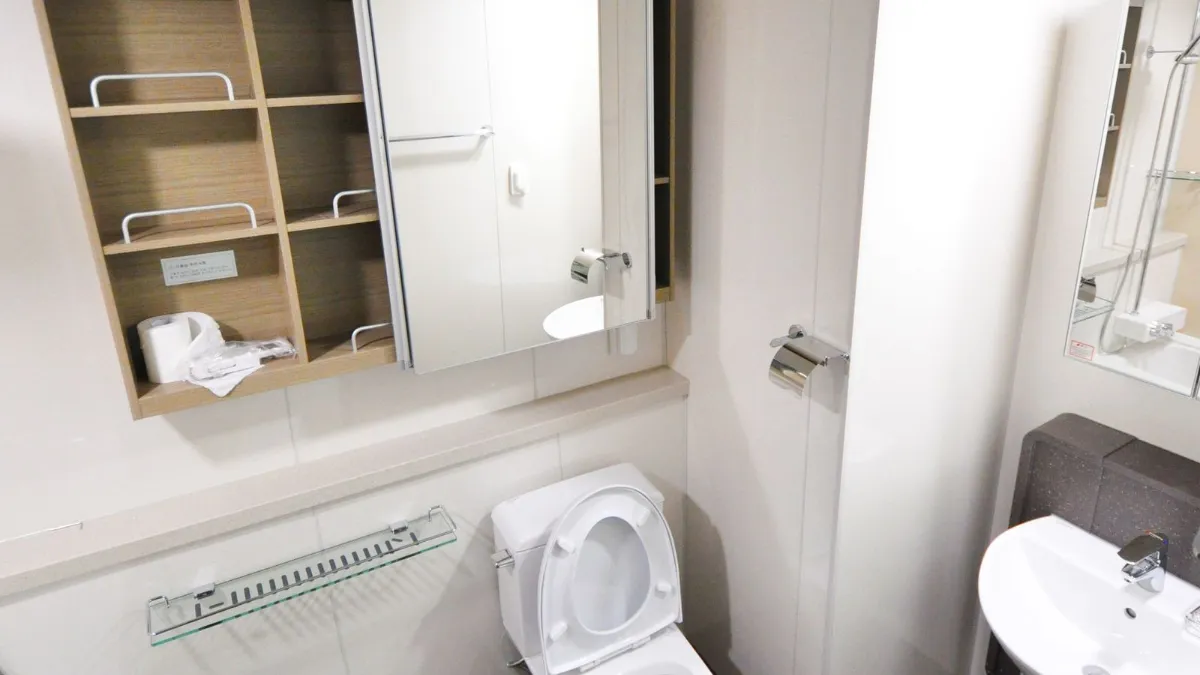
Types of Over-the-Toilet Storage
Freestanding frame (space saver): a frame with legs that stand on the floor on each side of the toilet, with shelves above. No wall mounting required in many cases. One listing says you can slide it right over the tank without any wall modification. Ladder shelf: an open, leaning ladder with several shelves. Light and casual. Often anchored to the wall. Wall-mounted cabinet: a cabinet with doors and shelves that hangs on the wall above the tank. Closed storage hides clutter. A Lowes listing includes hardware for wall mounting the cabinet with an easy French cleat system. Floating shelves: two or three shelves mounted directly to the wall. Flexible and minimal. See the bathroom shelves guide. Tall cabinet with sliding doors: a tall unit with several tiers, adjustable shelves and a sliding barn door. One listing is a four-tier cabinet about 25 inches wide, 9.5 inches deep and 67.5 inches tall. Corner unit: a triangular shelf above a corner toilet. See the corner shelves guide. Over-the-toilet rack with basket drawers: combination of shelves and pull-out baskets. Mirrored cabinet: a cabinet with a mirror front. Useful when there is no other mirror.
| Type | Wall mounting | Storage | Best for |
|---|---|---|---|
| Freestanding frame | Optional | Open | Renters, quick setup |
| Ladder shelf | Anchor advised | Open | Towels and baskets |
| Wall cabinet | Required | Closed | Hiding clutter |
| Floating shelves | Required | Open | Flexible layouts |
| Tall cabinet | Anchor advised | Closed and open | Lots of storage |
Measure First
The most common mistake is not measuring the toilet and the space. One retailer listing advises checking the tank’s width, depth and height, plus the distance to the wall and the water supply line, before assembly.
- Measure the tank width and height.
- Measure the tank depth from the wall.
- Measure the space above the tank to the ceiling or any window, light or vent.
- Measure the width of the wall on each side to check for fixtures.
- Find the water supply line and the flush handle or button. Some tanks have a top button.
- Check for baseboards, outlets and switches.
- Check ceiling height for tall units.
Clearance
Clearance means the empty space between the top of the tank and the lowest shelf or cabinet.
Typical units leave about 34 to 35 inches of ground clearance. One listing gives 35 inches from the ground, and another cites 34.5 inches. One shopper noted very little clearance above the top of the toilet tank, which matters if the flush button sits on top of the tank. One source says insufficient clearance can block access to fill valves or flappers, which you need for repairs and for taking the tank lid off.
Leave enough space to lift the tank lid and use the flush. Allow a hand’s width above the tank if you can.
Dimensions
One guide says most standard units fit widths around 24 to 27 inches and depths of 8 to 10 inches. That is enough to clear most tanks, but narrow toilets and wide tanks vary. Tall units can be 60 to 70 inches high. Check the unit’s width against the space on each side of the toilet. If it is too deep, you may bump your head when you stand or sit.
Weight Capacity
Listed capacities vary a lot.
One wall cabinet is rated at a total weight of 110 pounds. A grey model lists 88 pounds (40 kilograms) total, with much lower per-shelf limits.
Per-shelf ratings are often the more useful number. Overloading is a real risk, since extreme weight may cause cabinets to warp, crack or break. Check the shelf rating against what you plan to store. Heavy items like full bottles, towels and cleaning supplies add up. Put heavy items on lower shelves and light items high.
Mounting and Safety
Wall studs. A guide recommends that mounting the cabinet to wall studs will provide the most secure and stable installation. Use a stud finder and screws that reach the stud. Wall anchors. If you cannot hit a stud, use anchors rated for the load, such as toggle bolts. French cleat. A cleat system makes hanging a heavy cabinet easier and more secure. Freestanding units. Many include anti-tip hardware, which is worth installing either way. Tall frames can tip if someone climbs or pulls. Tile walls. Use a tile bit and anchors, and avoid cracking tile. Keep medicine and chemicals out of children’s reach or in locked cabinets. Do not store heavy items above head height.
Never use the toilet or the unit as a step.
What to Store Above the Toilet
Key points: spare toilet paper; folded towels and washcloths; cleaning supplies (secured); baskets of toiletries; plants or decor on the top shelf; feminine care and first aid items; extra soap and hand towels.
Keep items you use every day within easy reach. Keep rarely used things on higher shelves. See the bathroom organizer guide for bins and baskets.
Styling
Key points: use matching baskets for a tidy look; roll towels and stack them; add a small plant or a framed print; use a tray on the top shelf; keep the top clear if the unit is tall; match the finish to your vanity and fixtures. See the modern bathroom ideas guide; do not overload the display.
Care
Key points: wipe shelves with a damp cloth; dry splashes quickly; check hardware every few months; keep cabinets closed to protect items from moisture; replace swollen or damaged shelves.
What are the main strengths and weaknesses?
On the plus side: uses wasted space; no floor space needed (wall-mounted); many styles; easy to reach; hides clutter (cabinets). On the downside: limited by tank size and clearance; weight limits; cheap units can wobble; open shelves collect dust; items above the toilet may feel less hygienic to some people.
How to Choose Over-the-Toilet Storage
Measure the tank, wall and ceiling space. Choose a type: freestanding, ladder, cabinet or floating shelves. Check clearance above the tank. Check width and depth. Check weight ratings per shelf and in total. Plan mounting: studs, anchors or anti-tip hardware. Pick a material that handles moisture. Choose open or closed storage. Match the finish. Read reviews for notes on assembly and wobble.
What mistakes should you avoid?
A few common mistakes are worth avoiding: not measuring the tank and clearance; blocking the flush button or tank lid; overloading shelves; skipping the anchor on tall units; choosing a unit too deep; putting medicine within reach of children.
Frequently Asked Questions
How much space do I need above the toilet?
Typical units leave about 34 to 35 inches of ground clearance. Measure your tank and leave room to use the flush and lift the lid.
How wide is an over-the-toilet unit?
Many fit widths around 24 to 27 inches and depths of 8 to 10 inches.
Do I need to mount it to the wall?
Wall-mounted cabinets must be. Freestanding units often include anti-tip hardware that you should install.
How much weight can it hold?
Examples range from about 88 to 110 pounds total, with lower per-shelf limits. Check the product.
Can I install one on a tile wall?
Yes, with a tile drill bit and proper anchors.
What is the best type for a small bathroom?
A freestanding frame or a wall-mounted cabinet saves floor space. Ladder shelves are casual and light.
Conclusion
Over-the-toilet storage is one of the simplest ways to add space to a small bathroom. Measure the tank and clearance, choose a type that suits your needs, check the weight limits and mount or anchor the unit securely.
Keep heavy items low and everyday items close. With the right unit, the wall above your toilet becomes a useful, tidy storage spot.
Related guides
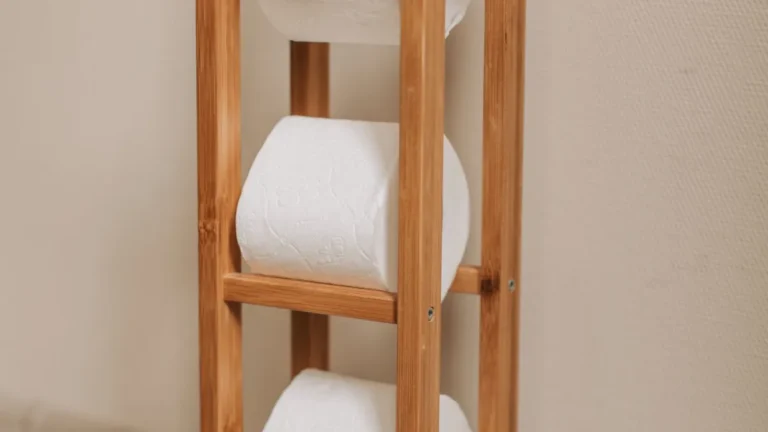 Over the Toilet Storage: Cabinets, Shelves, Clearance and Installation TipsThe space above your toilet is some of the most wasted room in a small bathroom. It s wall space you can t walk…Read more →
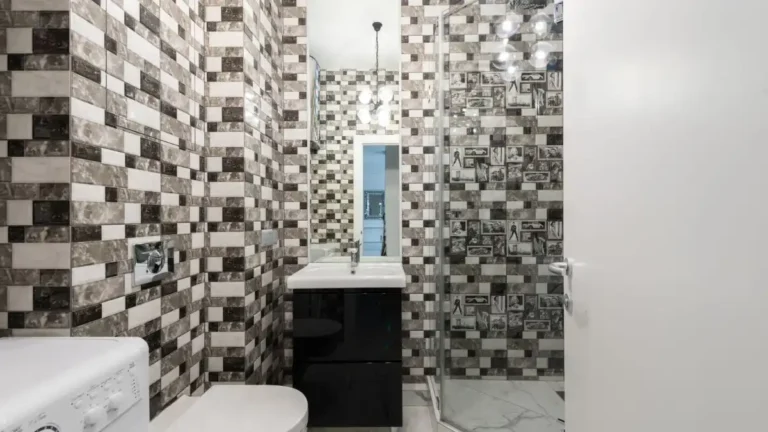 Toilet Dimensions: Standard Size, Rough-In and Clearance RequirementsA standard toilet is about 28 to 30 inches deep, roughly 20 inches wide and 27 to 32 inches high, and the most…Read more →
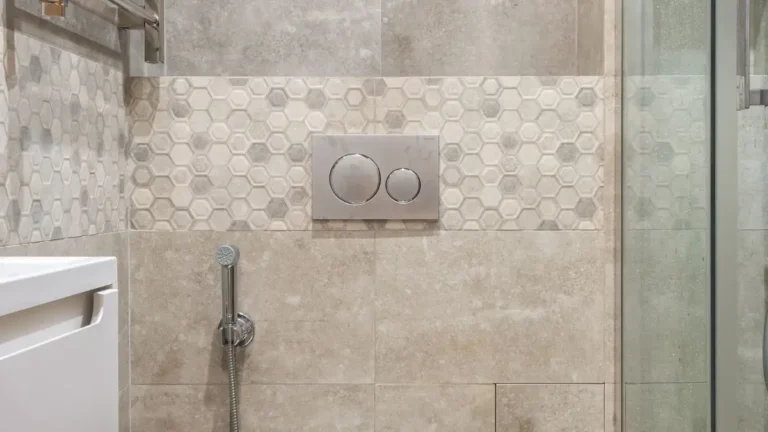 Toilet with Bidet: Built-In vs Bidet Seat, Cost, Power Needs and DrawbacksA toilet with a bidet either has the washing function built into the bowl or uses a bidet seat that replaces…Read more →
 Bathroom Storage Ideas: Over-Toilet Units, Wall Cabinets, Towers, Sizes and AnchoringQuick answer: the easiest way to add bathroom storage is to use vertical space. Over-the-toilet shelves are…Read more →

One Comment