Shower Inserts Guide: One-Piece Fiberglass and Acrylic vs Tile, Sizes, Cost Ranges and Cleaning
Quick answer: a shower insert, or surround, is a prefabricated fiberglass or acrylic unit that forms the shower walls and often the base. It usually costs less and installs faster than a tiled shower, and it has fewer seams to clean. Standard alcove sizes include 32 by 32, 36 by 36, 48 by 36 and 60 by 32 inches. Cost figures vary widely, so get local quotes.
This article is part of our shower guide, where you can compare related options.
A shower insert is the quick way to a new shower. A one-piece or multi-piece unit slides into the opening, gets sealed and you are done in a day. It avoids the grout lines and the long job of a tiled shower. But sizes are limited, surfaces can stain and the look is less custom. This guide explains types, sizes, how inserts compare with tile, cleaning and care, installation and how to choose. The search results included several low-quality content-farm pages, so I treat all dollar figures as unreliable ballparks. Get local quotes. This is not construction advice.
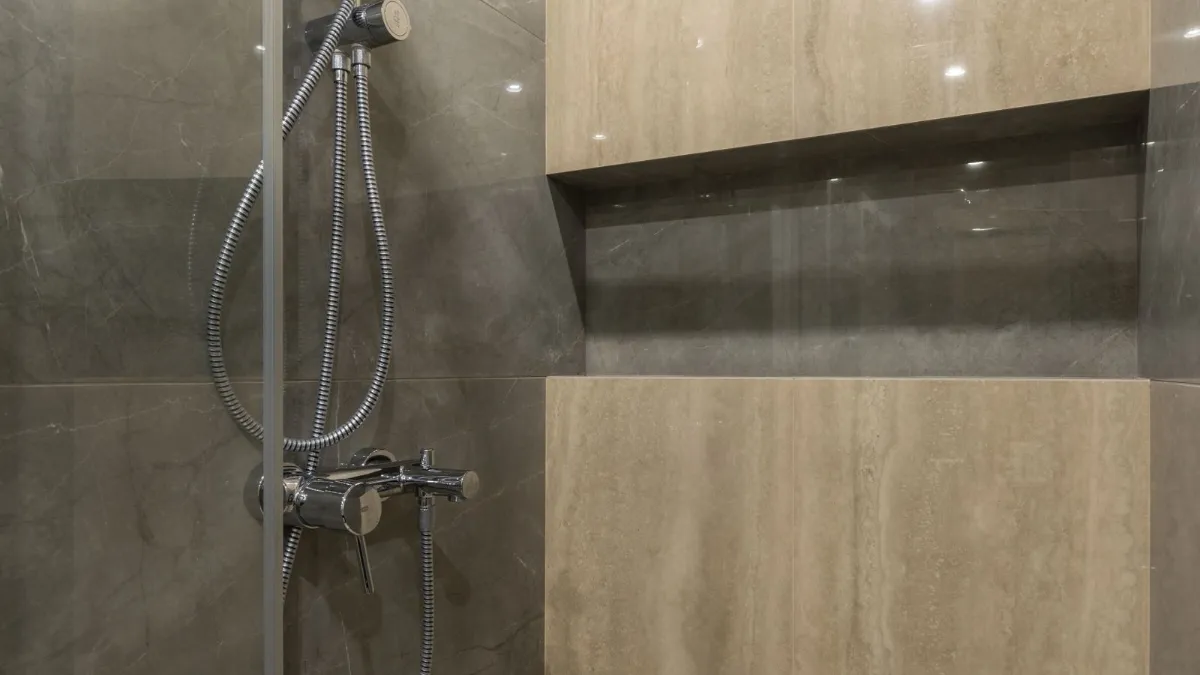
What Is a Shower Insert?
An insert (also called a shower surround, kit or stall) is a prefabricated shower enclosure made from: fiberglass (FRP). Affordable and light; acrylic. Smoother, glossier and more durable than fiberglass (general knowledge); solid surface or cultured marble. Premium options; ABS plastic. Light and cheap (general knowledge).
Types: One-piece insert. A single molded unit. Fewest seams but hard to get into small spaces. Multi-piece insert. Two to four panels that join on site. Easier to carry. Tub-shower insert. Surrounds a tub. Shower stall kit. Includes a pan, walls and sometimes a door. Wall panels over a pan. Pair with separate pans. See the shower pan sizes guide.
Standard Sizes
Inserts are usually built for alcoves. One retailer lists standard alcove sizes of 32 by 32, 36 by 36, 48 by 36 and 60 by 32 inches. Tile lets you fit an unusual or custom footprint, which is a real advantage if your opening does not match a standard size. For pan sizes and threshold heights, see the shower pan sizes guide.
| Size (inches) | Typical use |
|---|---|
| 32 x 32 | Small or corner shower |
| 36 x 36 | Standard square shower |
| 48 x 36 | Compact alcove |
| 60 x 32 | Tub replacement |
Measure your opening carefully before buying.
Insert vs Tile
| Feature | Insert | Tile |
|---|---|---|
| Cost | Generally lower | Generally higher |
| Install time | Hours to a day | Days |
| Grout | Few or none | Lots to maintain |
| Custom sizes | Limited | Flexible |
| Design | Standard looks | Many options |
| Repair | Replace panels | Replace tiles |
Cost (Unreliable Ballparks)
Another estimates $3,000 to $12,000 for a tile shower versus $1,500 to $6,000 for an insert.
Installed-cost figures diverge widely between sources, and several came from content farms. Get local quotes. See the bathroom remodel cost guide for broader budgets.
Installation Time
Estimates for a basic insert run from about 6 to 12 hours, while a tiled or complex surround can exceed 20 hours.
Pros of Shower Inserts
Key points: cheaper than tile in most estimates; faster installation; fewer seams and no grout, so less to clean; waterproof by design; good for rentals and quick updates.
Cons of Shower Inserts
Key points: limited sizes and styles; surfaces can stain. Some consumers report that the materials can stain, making cleaning more difficult; fiberglass can scratch and discolor; harder to repair seamlessly; may feel less premium than tile; delivery can be hard for one-piece units.
What are the main strengths and weaknesses?
On the plus side: fully custom; high-end look; repair individual tiles. On the downside. Costs more and takes longer. Grout needs cleaning and resealing. One source notes that tile requires periodic grout cleaning and resealing, especially with porous stone. Needs expert waterproofing.
Cleaning and Care
Key points: wipe down after showers; use non-abrasive cleaners. Abrasives scratch acrylic and fiberglass; remove soap scum with a mild cleaner or vinegar solution (check the maker’s guide); rinse well; use a squeegee to reduce water spots; ventilate the bathroom. See the how to clean shower tiles and eucalyptus in shower guides for humidity notes; treat stains early.
Installation Overview
- Measure the opening and plumbing.
- Prepare the walls and subfloor.
- Set the base or pan.
- Dry-fit the panels.
- Apply adhesive and sealant.
- Install the walls.
- Seal seams and edges.
- Install fixtures, shower rod or door. See the shower rod guide.
- Test for leaks.
Hire a plumber and follow local code. A poorly sealed insert can leak into walls.
Doors, Rods and Fixtures
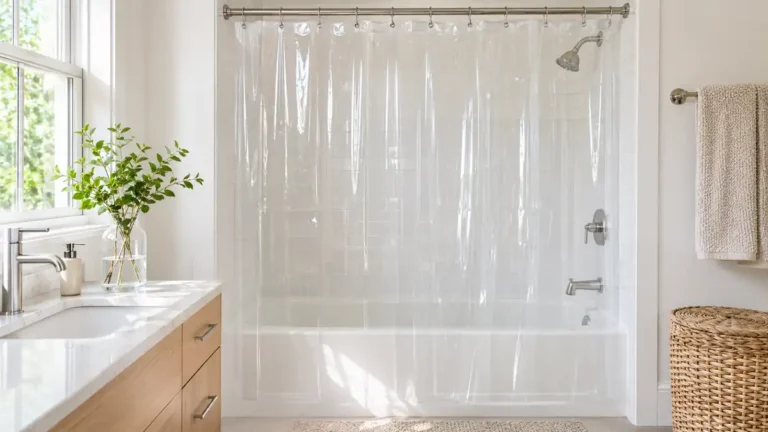
Key points: shower curtains need a rod. See the shower rod guide; glass doors need a pan or surround designed for them; valves and showerheads must match the insert’s cutouts; check grab bar blocking if needed.
Accessibility
Accessible inserts and pans exist, but verify claims against ADA Standards or local code. See the shower pan sizes guide.
How to Choose a Shower Insert
Measure the opening. Choose the size and shape. Choose one-piece or multi-piece based on access. Choose fiberglass or acrylic. Check the wall thickness and finish. Check plumbing and cutouts. Plan installation and budget. Check the warranty. Read reviews on staining. Get local quotes.
What mistakes should you avoid?
A few common mistakes are worth avoiding: trusting online cost figures; choosing a one-piece unit that will not fit through the door; using abrasive cleaners; poor sealing; ignoring plumbing cutouts; assuming all inserts are the same quality.
Frequently Asked Questions
What is a shower insert?
A prefabricated shower enclosure made of fiberglass or acrylic.
Are inserts cheaper than tile?
So, though dollar figures vary widely.
What sizes do inserts come in?
Common alcove sizes are 32 by 32, 36 by 36, 48 by 36 and 60 by 32 inches.
How long does installation take?
About 6 to 12 hours for a basic insert, per one source.
Do inserts stain?
Some consumers report stains, which make cleaning harder.
Do I need a pro?
Plumbing and sealing should be done properly. Hire a pro if unsure.
Conclusion
Shower inserts offer a fast, affordable way to update a shower, with fewer seams and less cleaning than tile. Check your opening size, choose fiberglass or acrylic, seal carefully and clean gently.
Cost numbers vary a lot, so collect local quotes. Then you can compare an insert with tile and pick the best option for your bathroom.
Related guides
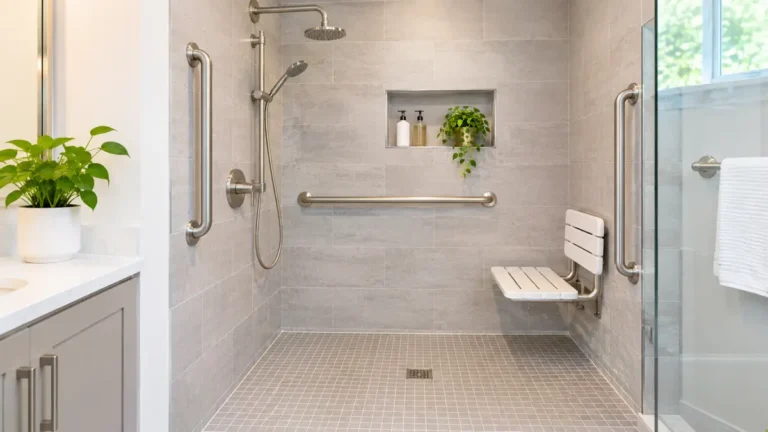 Roll-In Shower: Size, Threshold, Slope and What Accessibility Rules Usually RequireA roll-in shower is a shower with no curb, so a person using a wheelchair can roll straight in. Vendors…Read more →
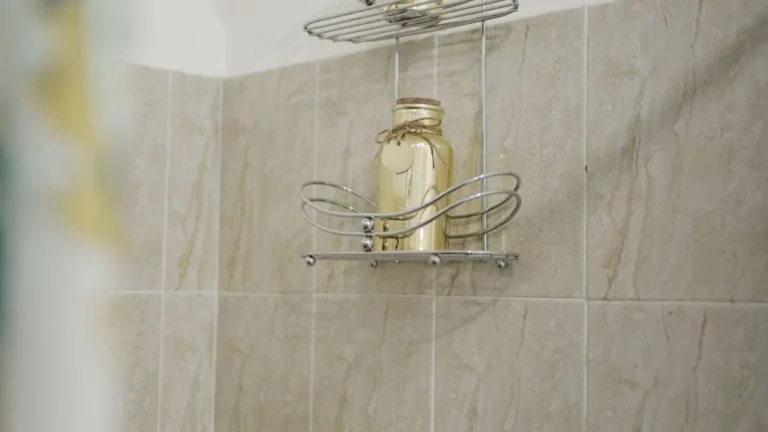 Shower Shelf: Tension Pole, Adhesive and Built-In Types, Weight and RustThere are three main types of shower shelf: tension-pole caddies, adhesive-mounted shelves and glued-in or…Read more →
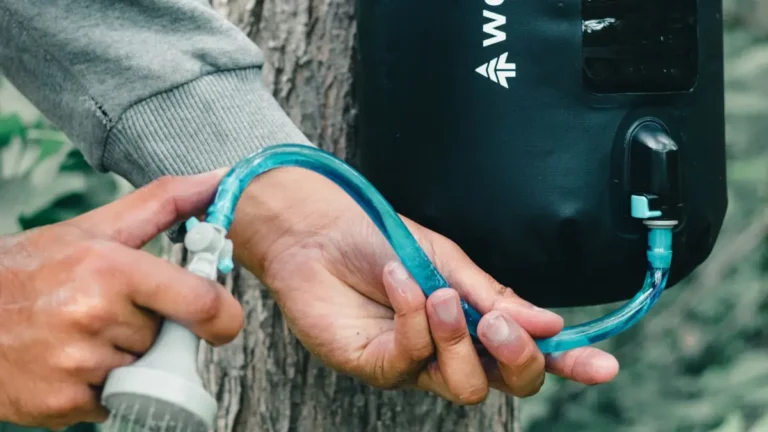 Camp Shower Guide: Solar Shower Bags, 5-Gallon Capacity, Heating Time, Water Temperature Safety and SetupQuick answer: a camp shower is a portable shower for camping, RV trips and beach days. The most common type is…Read more →
 Shower Squeegee Guide: How to Use It Daily, Prevent Mold and Hard Water Spots, Blade and Handle TipsQuick answer: a shower squeegee removes water from glass, tile and fixtures right after you shower, before it…Read more →