
Microfiber Towel Guide: GSM, Waffle vs Chenille Weave, Car, Gym and Hair Uses and Care Without Fabric Softener
Quick answer: microfiber towels are made of very fine synthetic fibers that soak up water quickly. GSM (grams per square meter) shows density: higher means thicker and more absorbent but slower to dry. Car drying towels are often waffle weave, gym towels are lighter, hair towels around 300 GSM are gentle, and you should never use fabric softener because it coats the fibers and cuts absorbency.
This article is part of our bath towel and bath mat guide, where you can compare related options.
Microfiber towels are everywhere: in cars, gyms, kitchens and bathrooms. They are light, dry fast and pack small. But not all microfiber is alike. A towel for drying a car is very different from one for drying hair or wiping sweat. This guide explains what microfiber is, how to read GSM, weave types, uses, care and how to choose. The search did not detail body or bath microfiber towels, and there is no independent absorbency test here. See the hand towels and bath robe guides for cotton towel choices.
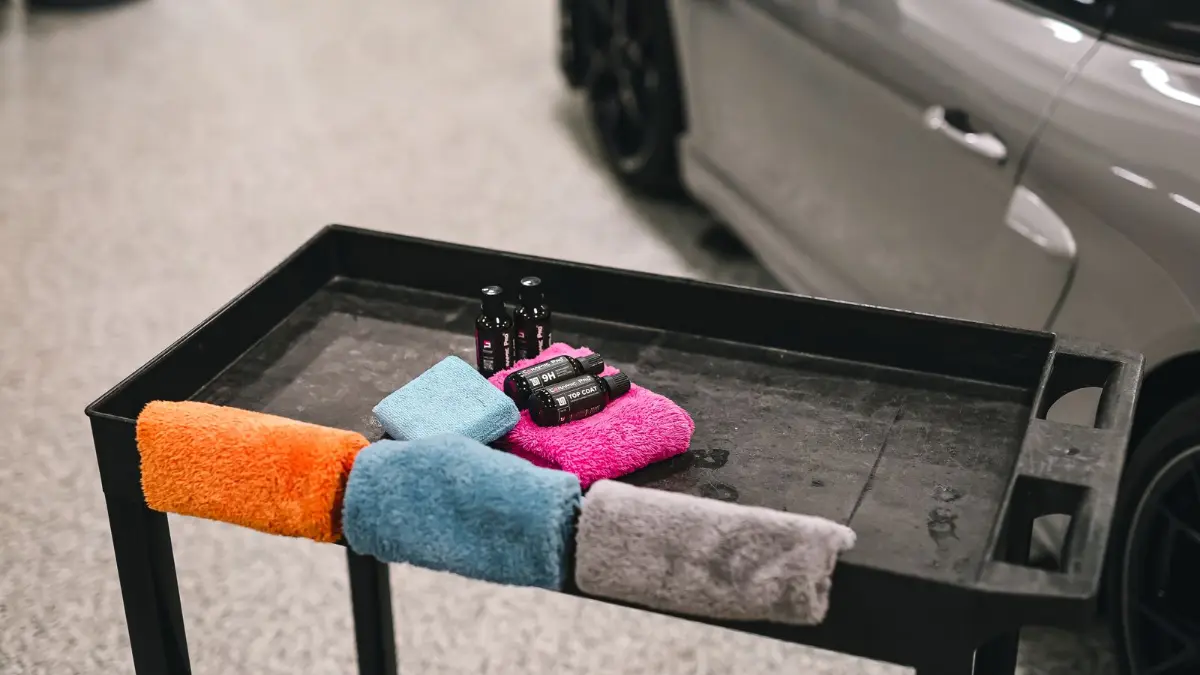
What Is a Microfiber Towel?
Microfiber is a blend of very fine polyester and polyamide (nylon) fibers (general knowledge). The tiny fibers create lots of surface area to trap water and dirt. The fibers are split to create small channels. Microfiber is common in towels, cleaning cloths and mitts.
What Does GSM Mean?
GSM measures fabric density. Higher GSM generally means a thicker, more absorbent towel, though it can also mean slower drying and more weight. Ranges vary.
One guide says they can vary between 300 and 900 GSM. Another puts 600 to 900+ GSM in the heavy-duty drying category. A car-care retailer recommends 1,000 GSM and above for maximum drying capacity. One guide notes the lower the number, the lighter and thinner the towel, such as a gym or kitchen towel.
See the hand towels guide for cotton towel GSM. Lazada has an article on what 1,200 GSM means for microfiber cloths.
| GSM range | Typical use |
|---|---|
| Under about 300 | Light cleaning, gym, kitchen |
| 300 | Hair towels, light drying |
| 600 to 900 | Heavy-duty drying |
| 1,000 and above | Car drying, maximum absorbency |
Weave Types
Waffle weave. Drying towels are used to dry the car after the wash because they have very high water absorbency and are mostly in waffle weave pattern. Waffle weave is also described as ideal for drying cars. Chenille. Thick, cylindrical bundles sticking out that absorb more liquids, typically used for wash mitts. Plush or twisted loop. Soft and absorbent, used for drying. Flat or low pile. For polishing and buffing. Suede or microfiber chamois. Smooth, used for glass or skin.
Jalopnik’s article is titled “No, not all microfiber towels are created equal,” which sums up the variety.
Uses
Car Drying and Detailing
Heavy, high-GSM waffle or plush towels. Obsessed Garage sells a low pile drying aid towel. Use clean towels to avoid scratching paint.
Gym
Lighter and thinner towels that dry fast and fold small.
Hair
A 300 GSM hair towel is one example. A retailer says these are gentle on hair and can reduce frizz and damage caused by rough cotton towels. Paragon Microfibre sells hair towels. This is a retailer claim.
Kitchen and Cleaning
Light cloths for dusting and wiping.
Travel and Camping
Compact, quick-drying towels. See the camp shower guide for outdoor bathing.
Bath
The search did not detail microfiber bath towels. They dry fast but can feel different on skin from cotton. See the bath robe guide for microfiber robes.
Care
The most consistent advice across sources: No fabric softener. Softeners coat fibers, reducing absorbency and lubricity. Another source warns they coat the fibers and dramatically reduce water absorption. One brand says it clogs the microfibers and reduces performance. Avoid bleach. It will damage the delicate fibers, reducing their absorbency and effectiveness. Use liquid, softener-free or microfiber-specific detergent. Powder detergents can leave residue in the fibers. Wash separately from cotton to avoid lint (common advice). Dry on low heat or air dry. Don’t iron.
Keep car towels separate from kitchen or household towels, and keep clean and dirty towels apart.
Using Microfiber on a Car Safely
Car-care writers stress using clean towels. Dirt trapped in the fibers can scratch paint. General best practices (not verified by tests):
- Use separate towels for paint, glass, wheels and interiors.
- Wash towels after every use, away from other laundry.
- Fold towels into quarters and use a fresh side as each side gets dirty.
- Lay the drying towel on the surface and pat or drag gently, without pressing hard.
- Replace towels that are matted, stiff or have sewn-in tags that scratch.
- Never drop a towel on the ground and reuse it on paint.
Microfiber at Home
Beyond cars and gyms, microfiber works for: Dusting. The fine fibers pick up dust. Use dry or slightly damp. Glass and mirrors. Low-lint cloths help avoid streaks. See the shower squeegee guide for drying glass after showers. Kitchen counters. Wipe up spills. Bathroom polishing. Faucets and fixtures. See the bathroom accessories guide. Pets. Quick drying after walks. Travel. Quick-dry towels pack small. See the camp shower guide for outdoor use.
Keep cleaning cloths separate from body towels, and don’t use cloths with chemicals on skin.
Microfiber vs Cotton Towels
| Feature | Microfiber | Cotton |
|---|---|---|
| Drying speed | Fast | Slower |
| Weight | Light | Heavier |
| Feel on skin | Varies | Often softer |
| Care | No softener or bleach | Easy |
| Lint | Low if washed alone | Can shed |
See the hand towels guide for cotton towel sizes and GSM, and the bath robe guide for microfiber robes.
What are the main strengths and weaknesses?
On the plus side: absorbs a lot of water; dries fast; light and compact; many weaves for different jobs. On the downside: care is picky (no softener, no bleach); can shed or leave lint if washed with cotton; quality varies widely; not all feel soft on skin.
How to Choose a Microfiber Towel
Decide the use: car, gym, hair, kitchen or travel. Choose GSM for the job (300 for hair, 600+ for drying cars). Choose weave: waffle or plush for drying, chenille for washing. Check size. Check edges: silk-banded or edgeless for paint. Plan care: softener-free detergent. Buy a pack for rotation. Read reviews.
What mistakes should you avoid?
A few common mistakes are worth avoiding: using fabric softener; washing with bleach; using a dirty towel on paint; choosing too low a GSM for drying a car; drying on high heat; mixing with cotton in the wash.
Frequently Asked Questions
What is GSM?
Grams per square meter, a measure of density.
What GSM is best?
It depends on the job: about 300 for hair, 600 to 900 for heavy drying, 1,000+ for car drying.
What is waffle weave?
A pattern with pockets that absorb a lot of water, common in car drying towels.
Can I use fabric softener?
No. It coats fibers and reduces absorbency.
Can I use bleach?
No. It damages the fibers.
Are microfiber towels good for hair?
A retailer says low-GSM hair towels are gentle and reduce frizz. That is a seller claim.
Conclusion
A microfiber towel is a versatile tool when you match GSM and weave to the job. Choose heavy waffle for car drying, light cloths for the gym and about 300 GSM for hair.
Wash with softener-free detergent, skip bleach and dry on low heat. Good care keeps microfiber absorbent.
Related guides
 Best Towels Guide: GSM, Cotton Types, Absorbency, Lint and How to Choose Bath TowelsA good towel does one job: it dries you. A bad towel moves water around, leaves lint on your skin or turns…Read more →
 Hand Towels Guide: Standard Size (50 x 90 cm), GSM, Materials, Hand vs Guest Towel and CareQuick answer: a standard hand towel is about 16 by 28 inches, or roughly 50 by 90 centimeters. A weight of 500…Read more →
 Turkish Towels Guide: Peshtemal vs Terry, Weight, Sizes, Quick-Dry Benefits and CareTurkish towels are thin, flat, lightweight towels with a woven pattern and fringed ends. They fold small, dry…Read more →
 Small Laundry Room Ideas: Stacked Machines, Folding Counters, Vertical Storage and Layouts That WorkQuick answer: the best small laundry room ideas are to stack the washer and dryer, add a folding counter or…Read more →




3 Comments