
Best Towels Guide: GSM, Cotton Types, Absorbency, Lint and How to Choose Bath Towels
A good towel does one job: it dries you. A bad towel moves water around, leaves lint on your skin or turns stiff and scratchy after a few washes. Buying towels is confusing because every package says “luxury,” “plush” and “hotel quality.” The real differences are in the fiber, the weight and how the towel is made.
This article is part of our bath towel and bath mat guide, where you can compare related options.
This guide explains what to look for in bath towels: cotton types, GSM (weight), lint and shedding, size, how to avoid misleading labels and how to wash and care for them. Sources also disagree on a few points, such as whether Turkish or Egyptian cotton is more absorbent, so I note the conflicts. See the terry cloth guide for how towel fabric works, and the Turkish towels guide for flat-weave towels.
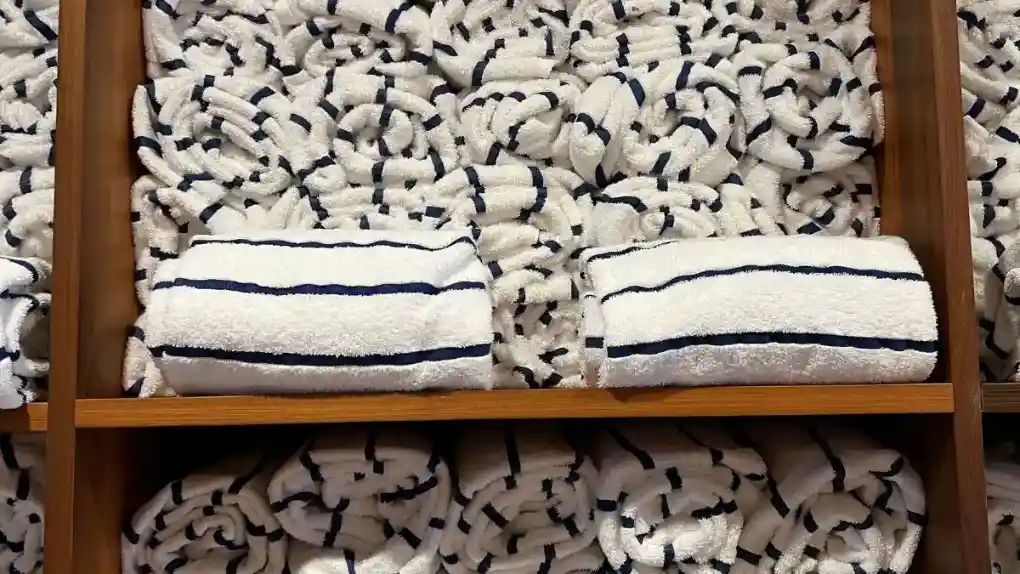
Cotton Types
Egyptian cotton: sources describe it as very soft and highly absorbent, with extra-long fibers, though one notes it is slower to dry. See the Egyptian cotton sheets guide for how to avoid fake labels. Turkish cotton: guides describe extra-long fibers in a flat weave, resulting in a lightweight finish that dries quickly. Another says it tends to be slightly less absorbent than Egyptian cotton. Sources conflict on absorbency here, so the difference is probably small. Pima (and Supima): often described as similar to Egyptian. One guide notes that Pima is manufactured in the US and is more affordable. Organic cotton: chosen for sensitive skin or eco reasons, rather than performance. Regular cotton: short-staple cotton. Affordable. May shed more and wear sooner. Bamboo and microfiber blends: soft or quick-drying, but check absorbency.
| Cotton | Feel | Notes |
|---|---|---|
| Egyptian | Very soft, absorbent | Slower to dry; fake labels common |
| Turkish | Light, quick-drying | Slightly less absorbent per one source |
| Pima/Supima | Soft | Lower cost, US-grown |
| Organic | Varies | Chosen for skin or eco reasons |
100% long-staple cotton (Egyptian, Turkish or Pima), with a GSM that matches how you plan to use the towel. Be wary of cheap “Egyptian cotton” claims: one retailer guide warns that if the price seems too good to be true, they are likely misrepresenting the source of their cotton.
GSM: Towel Weight
GSM means grams per square meter. It tells you how dense and heavy the towel is.
Sources generally place typical cotton bath towels between 300 and 900 GSM. One guide suggests: 300 to 400 GSM. Lightweight. Good for travel and the gym; 400 to 600 GSM. Everyday use; 600 and above. A more luxurious, plush feel.
Higher GSM means thicker and more absorbent, but also slower to dry and heavier to wash. A very heavy towel can feel bulky. Choose a weight that fits your climate, your laundry setup and your preferences. For humid bathrooms, medium-weight towels dry better.
Lint and Shedding
New towels shed lint. One guide notes that Egyptian towels shed more quickly than other options. For care, one source advises that you choose combed cotton and wash towels separately to reduce shedding.
Combed cotton has short fibers removed, so it is smoother and sheds less. Wash new towels separately a couple of times. Skip fabric softener, which can build up and reduce absorbency. Shake towels before drying to release loose fibers. Clean the dryer lint trap each time.
Heavy shedding after many washes is a sign of low quality.
Size
Common sizes: washcloth (about 12 by 12 inches); hand towel (about 16 by 28 inches); bath towel (about 27 by 52 inches, up to 30 by 58); bath sheet (about 35 by 60 inches or larger); beach towel (about 30 by 60 inches or larger); fingertip towel.
Check dimensions on the listing. A big bath sheet is luxurious but needs more drying space. A hand towel and washcloth should be part of your set.
How to Check Quality in a Store
(General tips.)
Feel the loops. Dense, soft, even loops are better. Check the weight. Lift it. A good towel feels substantial. Rub it on your skin or a dark cloth. Shedding fibers show up. Check hems. Double-stitched edges last longer. Look at the label: fiber content and GSM. Test absorbency. Put a few drops of water on the towel. It should soak in quickly.
See the terry cloth guide for how loops affect absorbency.
Weave and Style
Terry (loop pile): classic. Absorbent and plush. See the terry cloth guide. Velour: loops sheared on one side for a smooth look. Waffle weave: light, quick-drying and textured. Flat weave (peshtemal): thin and fast-drying. See the Turkish towels guide. Zero twist: soft yarn, very plush.
Care
Wash before first use to remove finishing chemicals and improve absorbency. Use warm water and a gentle or regular cycle. Use mild detergent. Avoid bleach and too much fabric softener. Do not overload the washer. Dry on low to medium heat. High heat damages fibers. Hang to dry between uses. Damp towels left bunched can mildew. Wash every three to four uses, or more often if damp. Use vinegar and baking soda occasionally to refresh stiff towels, if the label allows. Replace towels when they are thin, stiff or smelly.
See the terry cloth guide for more care detail.
Matching Towels to Your Bathroom
Choose colors that match your decor. White always works. See the modern bathroom ideas guide. Match towels with the towel rack and bath mat. See the towel rack and bath mat guides. Buy in sets for consistency, and buy extras so you can rotate. Choose darker colors if you want to hide stains, but new dark towels can bleed dye.
What are the main strengths and weaknesses?
On the plus side: softer and more absorbent; last longer when cared for; feel luxurious. On the downside: cost more; heavier and slower to dry; fake labels are common.
How to Choose the Best Towels
Decide your priority: softness, quick drying, absorbency or budget. Choose cotton type: Egyptian, Turkish or Pima. Choose GSM: 400 to 600 for everyday use. Check labels for 100% long-staple cotton. Check weave and hems. Choose sizes for your household. Check the care label. Beware of prices too good to be true. Read reviews for shedding and softness over time. Buy a few and test before buying a whole set.
What mistakes should you avoid?
A few common mistakes are worth avoiding: choosing by price or label alone; using fabric softener; drying on high heat; ignoring GSM; not washing before first use; leaving towels damp in a pile.
Frequently Asked Questions
What GSM is best for bath towels?
400 to 600 GSM for everyday use and 600 or more for a plush feel.
Is Turkish or Egyptian cotton better?
Sources conflict. Egyptian is described as softer and more absorbent, while Turkish dries faster.
Why do my new towels shed lint?
New towels shed. Combed cotton and washing separately reduce it.
How often should I wash towels?
Every three to four uses, or when damp or smelly.
How do I make towels more absorbent?
Skip fabric softener, wash with warm water and dry on low heat.
How long do towels last?
With good care, several years. Replace them when thin, stiff or musty.
Conclusion
The best towels are the ones that fit your habits: long-staple cotton, a weight that suits your climate and a quality that holds up in the wash. Look past labels like “luxury,” check the fiber and GSM, and care for your towels gently.
With the right set, every shower ends a bit more comfortably.
Related guides
 Microfiber Towel Guide: GSM, Waffle vs Chenille Weave, Car, Gym and Hair Uses and Care Without Fabric SoftenerQuick answer: microfiber towels are made of very fine synthetic fibers that soak up water quickly. GSM (grams…Read more →
 Hand Towels Guide: Standard Size (50 x 90 cm), GSM, Materials, Hand vs Guest Towel and CareQuick answer: a standard hand towel is about 16 by 28 inches, or roughly 50 by 90 centimeters. A weight of 500…Read more →
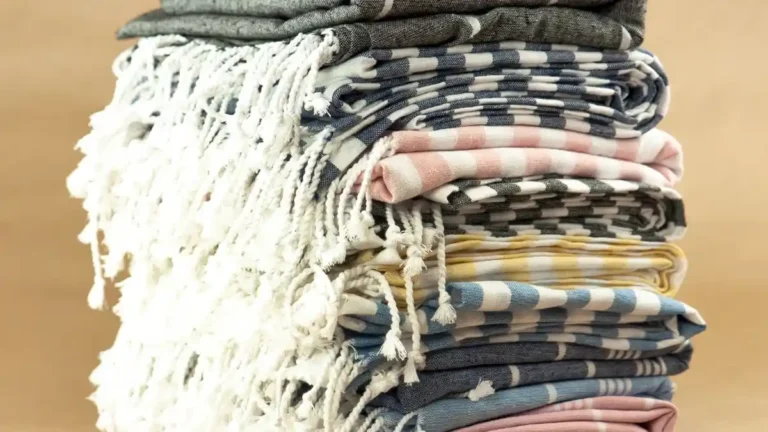 Turkish Towels Guide: Peshtemal vs Terry, Weight, Sizes, Quick-Dry Benefits and CareTurkish towels are thin, flat, lightweight towels with a woven pattern and fringed ends. They fold small, dry…Read more →
 Small Laundry Room Ideas: Stacked Machines, Folding Counters, Vertical Storage and Layouts That WorkQuick answer: the best small laundry room ideas are to stack the washer and dryer, add a folding counter or…Read more →



6 Comments