
Bathroom Mats Guide: Cotton vs Microfiber vs Memory Foam, Non-Slip Backing, Sizes and Washing Without Damage
Quick answer: a bathroom mat catches drips and gives your feet a soft, safe landing. Cotton is absorbent and low-maintenance, microfiber dries quickly, memory foam is usually wrapped in cotton or microfiber and adds cushion, and non-slip backing matters. Don’t put rubber-backed mats in the dryer, and wash and dry mats fully between uses to prevent mildew.
This article is part of our bath towel and bath mat guide, where you can compare related options.
A bathroom mat looks simple, but a bad one slips, stays damp, smells and wears out fast. A good one dries fast, grips the floor and survives the wash. This guide explains materials, non-slip backing, sizes, washing and drying, mildew prevention, placement and how to choose. They gave no standard size chart, so I show examples. Mold-prevention advice beyond washing and drying was thin.
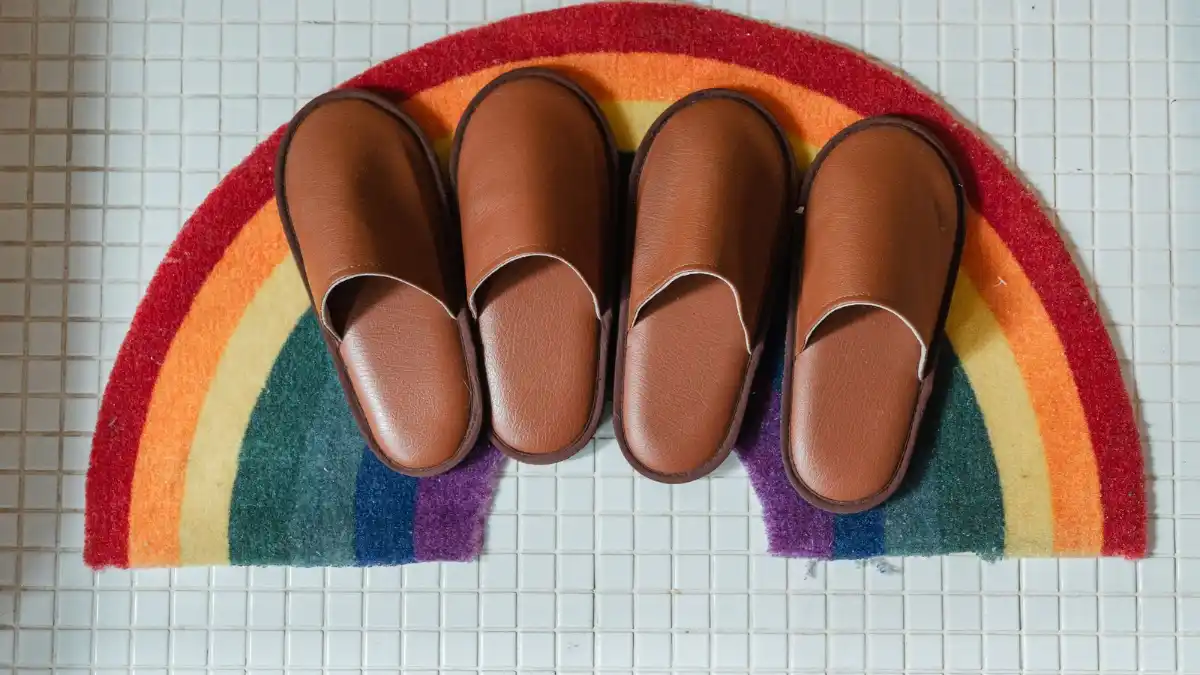
Types of Bathroom Mats and Rugs
Key points: bath mat. A small mat by the tub or shower; bath rug. A larger rug, often by the vanity; runner. A long narrow rug for galley bathrooms; contour mat. Shaped to fit around the toilet. (General knowledge.); teak or bamboo mat. A slatted wooden mat. See below; shower mat. Non-slip mat inside the tub or shower. (General knowledge.); memory foam mat. Cushioned; stone or diatomite mat. Fast-drying. (General knowledge.).
Business Insider, Bustle and Home Depot publish guides on the best bath mats and absorbent bath rugs.
Materials
Cotton
Cotton is the absorbent, low-maintenance choice. It is soft and washes well but can take longer to dry.
Microfiber
Microfiber dries quickly. One source notes that flimsy microfiber mats can degrade with repeated washings, unlike cotton mats. See the microfiber towel guide for microfiber care, including avoiding fabric softener.
Memory Foam
Memory foam is usually wrapped in cotton or microfiber so water doesn’t reach the foam, and it adds cushioning for standing at a vanity (Home Depot’s guide). One says memory foam is less absorbent than cotton or chenille and can take longer to dry, while another says these mats dry faster than dense cotton. Memory foam mats require gentle washing and air drying to maintain their shape and structure.
Chenille
Soft, plush and absorbent.
Teak and Bamboo
Teak and bamboo resist mold and mildew, per one source. They suit shower floors and next to tubs. Keep slats clean and dry.
| Material | Pros | Cons |
|---|---|---|
| Cotton | Absorbent, low-maintenance | Slower drying |
| Microfiber | Fast drying | May degrade if flimsy |
| Memory foam | Cushioned | May dry slowly, gentle care |
| Chenille | Plush | Can shed |
| Teak or bamboo | Resists mold | Needs wiping, firm |
Non-Slip Backing
Backing is common across types. One source says it is commonly found on microfiber, cotton, chenille and memory foam mats. Rubber and PVC backings appear in product listings, and one review of a rug notes that the rubber underneath tends to rub off on flooring over time. Lowe’s cautions that bathroom rugs don’t always have non-slip properties, so check the backing specifically. Safety tips: Check that the mat lies flat and does not curl at the edges. Test by sliding it with your foot on a dry floor. Use extra grip pads under mats on slick tile. Replace mats when the backing wears out.
Non-slip matters most for older adults and children. See the shower seat and walk-in bathtub guides for other bathroom safety items.
Sizes
Examples include a 20 by 32 inch memory foam mat and a 24 by 16 inch microfiber mat from a shopping guide. Measure your space and check the placement and tub or vanity clearance before buying. General placements: Tub or shower mat: about 17 by 24 inches to 20 by 32 inches. Vanity rug: about 20 by 30 inches or longer. Runner: about 24 by 60 inches, for a long bathroom.
Make sure the mat does not block doors or drawers.
Washing and Drying
Heat is the main risk. High heat can shrink or damage the fibers. Home Depot recommends line drying mats with non-slip backings, and says rubber bath mats should never be put in the dryer.
Key points: check the care label; wash mats weekly or every two weeks (general advice), more often in busy bathrooms; wash separately from towels, since mats shed lint; use cool or warm water, mild detergent, and skip fabric softener on microfiber; dry fully. Hang or lay flat to dry; shake out and air out between uses; replace mats that smell even after washing.
Mold and Mildew
For synthetic and fabric mats, washing and fully drying them between uses is the practical defense, but the sources I found do not give specific mold-prevention steps. General habits: hang the mat over the tub or a rack after showers; run the exhaust fan and ventilate. See the shower squeegee guide for humidity control; don’t leave wet mats on the floor; rotate two mats; choose quick-drying materials.
Style and Placement
Match the color to towels and accessories. See the bathroom accessories and hand towels guides. Use a runner in a long bathroom. Layer a small mat over a rug. Avoid mats that are too thick to open doors over. Choose a neutral color to hide wear.
What are the main strengths and weaknesses?
On the plus side: absorbs drips; prevents slips; warms feet; adds style. On the downside: can hold moisture and mildew; needs regular washing; backing can wear out; some dry slowly.
How to Choose Bathroom Mats
Decide where it goes and measure. Choose the material: cotton, microfiber, memory foam or teak. Check non-slip backing. Check size and clearance. Check washing and drying instructions. Choose a color and style. Buy two for rotation. Read reviews for durability and shedding.
What mistakes should you avoid?
A few common mistakes are worth avoiding: ignoring the backing; drying rubber-backed mats in the dryer; leaving wet mats on the floor; choosing a flimsy microfiber mat; washing mats with towels; not measuring.
Frequently Asked Questions
What is the best material for a bath mat?
Cotton is absorbent, microfiber dries fast and memory foam is cushioned. Teak resists mold.
Do bath mats need non-slip backing?
Yes, check it. Not all bathroom rugs have it.
Can I put a bath mat in the dryer?
Not rubber-backed ones. Home Depot recommends line drying mats with non-slip backings.
How often should I wash it?
Weekly or biweekly is common advice, more often if damp.
How big should a bath mat be?
Examples include 20 by 32 inches. Measure your space.
How do I prevent mildew?
Wash, dry fully and ventilate.
Conclusion
A good bathroom mat absorbs water, grips the floor and dries quickly. Choose a material that suits your habits, check the backing and size and follow the care label.
Wash and dry fully to prevent mildew. A well-chosen mat keeps your bathroom safe and comfortable.
Related guides
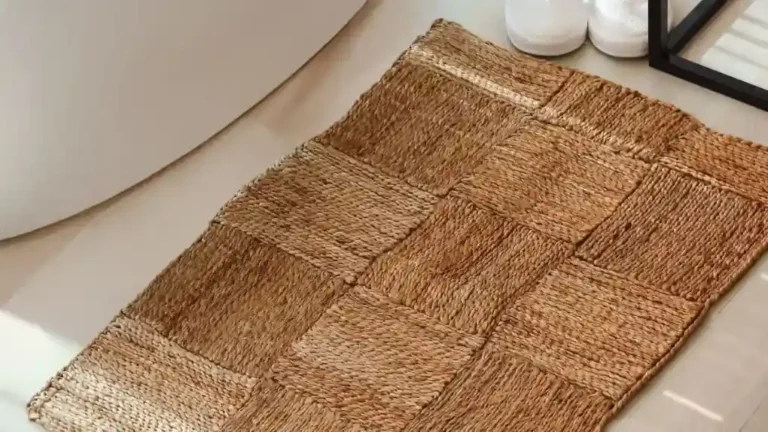 Bath Mat: Materials, Size, Non-Slip Backing and CareA bath mat is a small rug with a big job. It catches drips, keeps your feet warm and helps prevent slips on a…Read more →
 Stone Bath Mat Guide: How Diatomaceous Earth Mats Work, CareA stone bath mat looks like a flat slab of pale rock, and it behaves nothing like a fluffy fabric mat. Step out…Read more →
 Microfiber Towel Guide: GSM, Waffle vs Chenille Weave, Car, Gym and Hair Uses and Care Without Fabric SoftenerQuick answer: microfiber towels are made of very fine synthetic fibers that soak up water quickly. GSM (grams…Read more →
 Bathroom Shelf Guide: Floating, Corner and Over-Toilet Types, Spacing, Weight Capacity and Moisture-Safe MaterialsQuick answer: bathroom shelves add storage on the wall. Common types are floating, recessed, corner, ladder,…Read more →



5 Comments