Rain Shower Head Guide: Size, Flow Rate, Pressure, Ceiling vs Wall Mount and Installation
A rain shower head is a large, flat shower head that lets water fall straight down like a soft rain. It is a favorite in spa-style bathrooms and makes a shower feel like a treat. But the big head is also the reason people are sometimes disappointed. A rain head spreads water over a wide area, so the spray can feel lighter and gentler than a regular head. The right size, flow rate and mounting make a big difference.
This article is part of our shower guide, where you can compare related options.
This guide explains what a rain shower head is, how size affects coverage and pressure, what flow rates to expect, how ceiling and wall mounts compare, what installation involves and how to choose. See the best shower heads guide for other types.
What Is a Rain Shower Head?
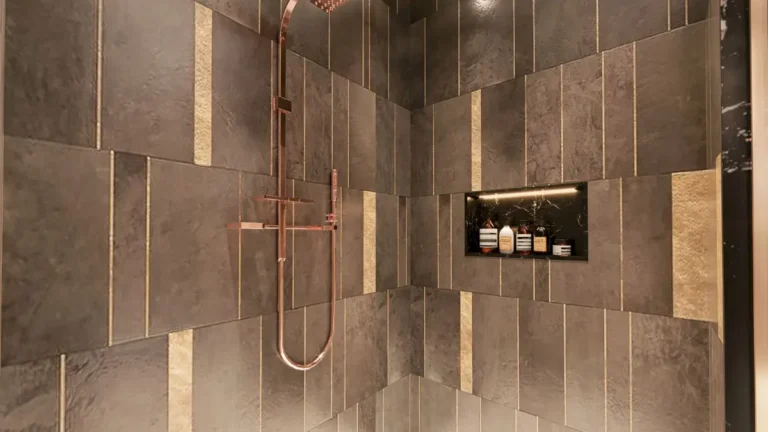
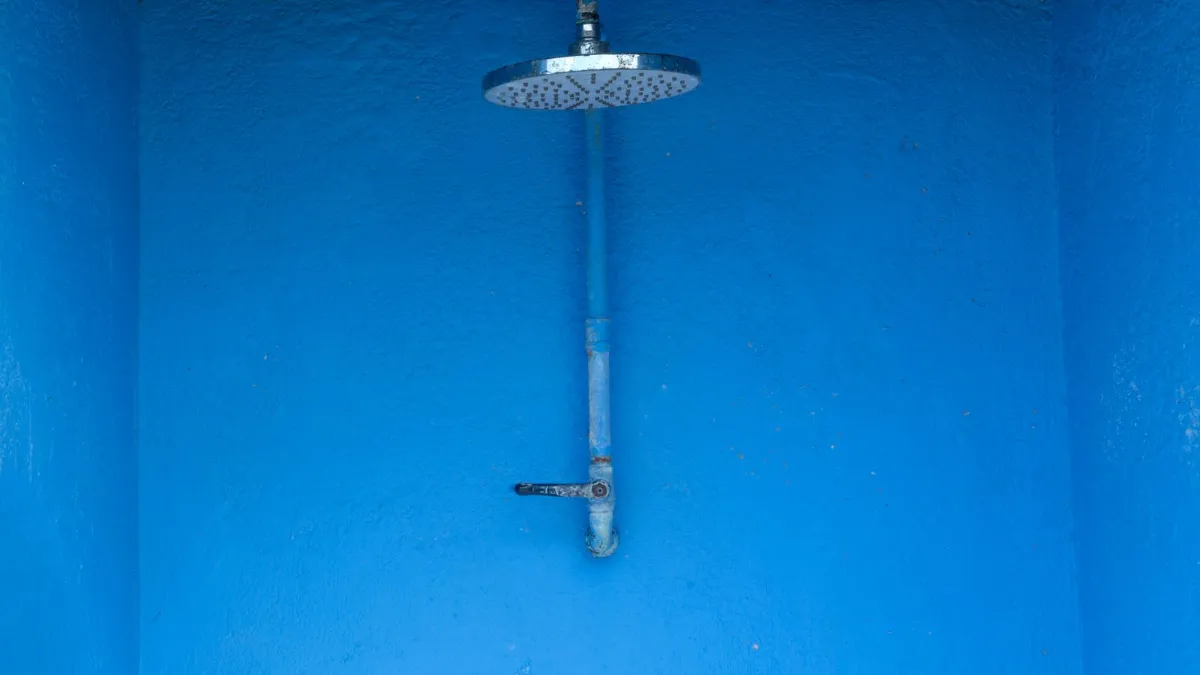
A rain shower head is a wide, flat or slightly domed head, usually round or square, that mounts overhead. Water falls from many small nozzles across the face of the head, creating a gentle, wide spray. Many are mounted to the ceiling or on a long arm extending from the wall. Some combine with a handheld shower for more flexibility.
Rain heads suit people who like a relaxing shower. They are not always the best for a strong rinse or for washing hair quickly. If you want a strong, targeted spray, a regular head or a handheld may work better.
Sizes
Rain heads usually run from 8 to 12 inches, and some are larger.
8 inches. One retailer says the 8-inch size balances coverage and pressure for both wall and ceiling mounts. 10 inches. A middle size. 12 inches. Suits ceiling mounts or an overhead arm, and gives broad coverage. Larger than about 12 inches. Can feel even gentler, and a source warns that heads larger than about 8 inches can noticeably reduce pressure at angled spray.
A guide on home shower choices says that with good existing pressure, an 8- to 10-inch head is a reasonable pick, while weak pressure calls for a smaller head. A bigger head spreads water over a wider area, so pressure feels lower.
Think about the size of your shower. A very large head in a small shower may spray the walls or the door. Measure the shower and think about where you stand.
Flow Rate
Flow rate, measured in gallons per minute (GPM), shows how much water goes through the head. Common options are 1.5, 1.75, 2.0 and 2.5 GPM. Some 8-inch and 12-inch models offer several of these as selectable settings. 1.75 GPM is typical for water-saving, WaterSense-certified heads. A 2.5 GPM head is the highest common option. Check the flow rate printed on the head, since it sets how much water you get.
Federal rules cap flow at 2.5 GPM, and some states are stricter. See the best shower heads guide for details on WaterSense and flow limits.
Higher flow means more water used and a stronger feel, but not always. A well-designed 1.75 GPM rain head can feel good, and a poorly designed 2.5 GPM head can feel weak.
Water Pressure
Rain heads need decent water pressure. Some manufacturer specs list a 1/2-inch male NPT inlet and recommend about 3.0 bar (roughly 43 psi) of supply pressure, with a 1.5 bar minimum. Check your home’s pressure. If it is low, you may feel a weak spray. Options include: choose a smaller rain head (8 inches); choose a head designed for low pressure; check for clogged pipes or old valves; ask a plumber about a pressure booster.
If your pressure is strong, you have more choices, including larger heads.
Ceiling Mount vs Wall Mount
Wall-mounted rain shower arm: the head connects to an arm that extends from the wall and positions the head overhead. It uses the existing shower pipe, so installation is simpler. You can choose longer arms for more offset from the wall. Ceiling-mounted rain shower head: the head hangs from the ceiling, directly overhead. It creates a true “rain from above” effect, but plumbing must run up the wall and across the ceiling to a straight arm. That is more work and cost.
| Mount | Installation | Look | Notes |
|---|---|---|---|
| Wall arm | Easier | Modern | Uses existing pipe |
| Ceiling | Harder | True rain feel | Plumbing in ceiling |
Ceiling mounts need ceiling support, a ceiling that can take the pipe and a shower enclosure where the head sits over where you stand. Consider the ceiling height. A very high ceiling lets water drift and cool.
Installation
Replacing a rain head on an existing arm is easy. A new ceiling mount can require a plumber.
Wall arm installation:
- Turn off the water.
- Unscrew the old shower head or arm.
- Wrap plumber’s tape on the threads.
- Screw on the new arm or head by hand.
- Tighten gently with a wrench, using a cloth.
- Turn on the water and check for leaks.
Ceiling installation: needs a pipe run, a ceiling plate and proper support; often requires opening walls or ceilings; hire a licensed plumber.
Check local code, and make sure your valve and plumbing support the new head. If you combine with a handheld, you need a diverter valve. See the shower niche, shower door and steam shower guides for related shower planning.
What are the main strengths and weaknesses?
On the plus side: relaxing, spa-like feel; covers your whole body; modern look; many sizes and finishes; some models offer water-saving flow rates. On the downside: lower perceived pressure; can be less effective for rinsing hair or cleaning; needs enough water pressure; ceiling mount installation is more work; water may cool as it falls; larger heads are harder to clean and may get scale build-up.
Cleaning and Care
Soak the head in vinegar and water to remove scale, if the finish allows. Check the maker’s directions. Rub rubber nozzles with your fingers to clear deposits. Wipe the face with a soft cloth. Clean every few months. Replace the head if nozzles stay clogged.
Hard water can clog many nozzles on a big head.
How to Choose a Rain Shower Head
Check your water pressure. Choose a size: 8 inches for balanced pressure, 10 to 12 inches for coverage. Pick a flow rate that meets local rules and your needs. Choose a mount: wall arm or ceiling. Check compatibility with your plumbing. Pick a finish that matches your fixtures. Look for easy-clean nozzles. Consider a combo with a handheld. Read reviews for notes on pressure.
What mistakes should you avoid?
A few common mistakes are worth avoiding: choosing a head too large for your pressure; ignoring flow limits; underestimating ceiling installation; not checking the plumbing; skipping thread tape; never cleaning the nozzles.
Further reading: EPA WaterSense, the US program that labels water-efficient products and EPA guidance on mold and moisture in the home.
Frequently Asked Questions
What size rain shower head should I buy?
Many people choose 8 to 12 inches. Eight inches balances coverage and pressure.
Do rain shower heads have low pressure?
They spread water over a wide area, so pressure feels lower. Good design and enough supply pressure help.
What GPM is best?
Common options are 1.5 to 2.5 GPM. 1.75 GPM is typical for water-saving heads.
Is a ceiling mount better than a wall mount?
A ceiling mount gives a true overhead rain feel but costs more to install.
Can I install a rain shower head myself?
Replacing a head on an existing arm is easy. A new ceiling mount often needs a plumber.
Do rain shower heads work with low water pressure?
They can feel weak. Choose a smaller head designed for low pressure.
How do I clean a rain shower head?
Soak in vinegar and water if the finish allows, and rub the nozzles.
Conclusion
A rain shower head can make your shower a relaxing daily treat, but it works best with decent water pressure and the right size. Choose 8 to 12 inches, check the flow rate, decide between wall and ceiling mounting and clean the nozzles regularly.
Test your pressure first, and ask a plumber for help with ceiling installations. With the right head, every shower feels a bit like standing in warm rain.
Related guides
 Best Shower Heads: Flow Rate, WaterSense, Rain vs Handheld and How to ChooseA shower head is one of the cheapest upgrades in a bathroom, and one of the most noticeable. A good one gives a…Read more →
 Shower Head: Types, Flow Rate and How to Choose the Right OneA shower head changes how your morning starts. A good one gives you a steady spray, warm water and strong…Read more →
 Handheld Shower Head Guide: Slide Bar Kits, Hose Length (60 to 72 Inches), Flow Rate GPM and Spray SettingsQuick answer: a handheld shower head is a detachable spray on a hose, often on a slide bar so you can also use…Read more →
 How to Fix a Leaking Shower Head: Causes and Step-by-Step RepairsA dripping shower head wastes water, stains the tub and keeps you awake at night. The good news is that most…Read more →