Japanese Soaking Tub Guide: Ofuro Depth, Small Bathroom Fit, Hinoki Wood vs Modern Materials and Installation
Quick answer: a Japanese soaking tub, or ofuro, is a deep, compact bathtub made for sitting upright and soaking up to the shoulders. Water depth is usually about 22 to 27 inches, compared with about 14 to 16 for a standard Western tub, and some fit bathrooms as small as 5 by 7 feet. Traditional hinoki wood needs regular care, and modern materials need less.
This article is part of our bathtub guide, where you can compare related options.
A Japanese soaking tub trades length for depth. You sit, not lie, and the water comes up to your shoulders. It saves floor space, uses less water for a deeper soak and brings a calm ritual into a small bathroom. But depth also raises practical questions: how to step in, how much water your water heater can supply and which material to choose. This guide explains the dimensions, the traditional hinoki wood, modern materials, installation, cost notes and how to choose. This is not plumbing or structural advice.
What Is a Japanese Soaking Tub?
An ofuro is a Japanese-style bath for soaking, not washing. In traditional Japanese bathing, people wash and rinse outside the tub, then soak in clean hot water. Tubs are deep, short and often square or rounded.
Types: freestanding ofuro. Stands on the floor. A freestanding ofuro tub placed on an existing bathroom floor is the simplest installation, per one source; alcove soaking tub. Fits into a three-wall space; drop-in or built-in tub; wooden ofuro. Traditional hinoki; stone resin ofuro. Heavier and warm to touch; compact round or square soaker; corner soaking tub.
Depth and Size
Depth is the key difference.
One retailer says ofuro water depth is usually 22 to 27 inches, compared with about 14 to 16 inches for a standard Western tub. Another says typically at least 27 inches deep.
Both are sales sources, so treat them as rough guidance.
Footprint: A typical Western freestanding tub is 56 to 72 inches long. One guide says ofuro tubs can fit in bathrooms as small as 5 by 7 feet. Compact examples include a 43 by 43 inch freestanding model and a 47-inch oblique stone resin tub. One hinoki-style freestanding tub (LegnoX material) measures 51.5 long by 36.25 wide by 33.75 high inches in exterior dimensions, with a depth to the overflow drain of 24.25 inches.
Check the overall footprint, interior seat depth and overflow height. See the shower pan sizes guide for typical alcove sizes.
Hinoki Wood
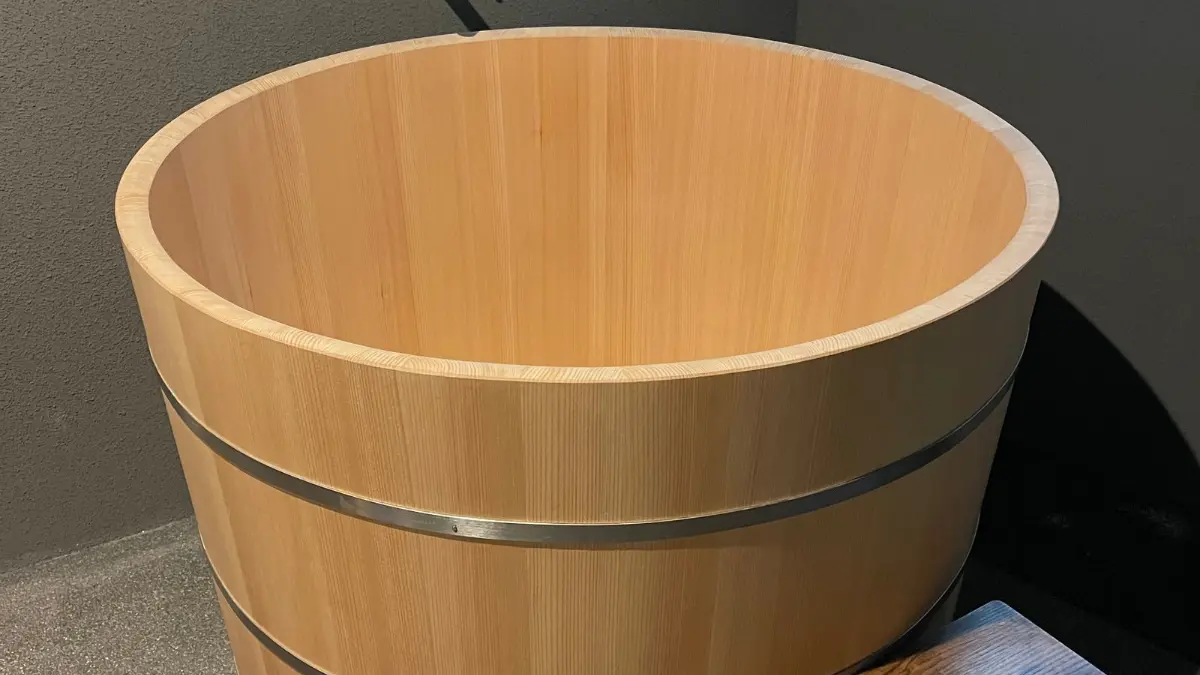
Traditional ofuro are made from hinoki (Japanese cypress). One source describes hinoki as valued for its antimicrobial properties and warm cedar-like aroma. That is a seller’s description, not a verified claim. The same source notes that hinoki requires significant maintenance: regular oiling; careful drying after each use; replacement every 10 to 15 years.
Wooden tubs can warp or mold if not dried. They can also be heavy and need a strong floor. Aquatica sells a wooden freestanding ofuro (the True Ofuro).
Modern Materials
Alternatives include: stone resin composites. Warm, heavy and durable. Aquatica’s True Ofuro Mini is a freestanding stone Japanese soaking bathtub; high-quality acrylic. Light and affordable; solid surface. Seamless and repairable; steel and concrete. Industrial options.
Modern materials retain heat well and need less upkeep than wood.
Installation
One source says a freestanding ofuro tub placed on an existing bathroom floor is the simplest installation. Another says installation costs typically add $500 to $2,000 depending on plumbing requirements. Points to consider: Floor strength. A deep tub full of water and a person is heavy. Check joist support. Ask a contractor. Drain and overflow location. Match your plumbing, or plan a new location. Water supply. A deep tub needs a lot of hot water. Check your water heater capacity. Faucet. Freestanding or wall-mounted filler. Ventilation. Soaking creates steam. Waterproofing and flooring. See the shower inserts guide for waterproofing notes. Access. Check doors and stairs for delivery.
Hire a licensed plumber.
Bathing Safety
Test the water temperature before entering. Take care when stepping in and out of a deep tub. Add a non-slip mat and a grab bar. Don’t soak alone if you have health conditions, and ask a doctor about hot soaking with heart or blood pressure issues. Keep children and pets away from water. Don’t fall asleep in the tub.
This is general safety advice, not medical advice.
Benefits and Trade-Offs
Benefits
Key points: fits small bathrooms; deep soaking comfort; uses less floor space than a long tub; calming ritual; can use less water than a long tub for a full-body soak (general; verify).
Trade-offs
Key points: deep sides make entry harder; seated bathing, not lying; takes a lot of hot water; wood needs care; costs vary.
Soaking Tub vs Standard Tub
| Feature | Japanese soaking tub | Standard tub |
|---|---|---|
| Depth | About 22 to 27 inches | About 14 to 16 inches |
| Length | Short | 56 to 72 inches (freestanding) |
| Position | Seated | Reclined |
| Footprint | Compact | Long |
What are the main strengths and weaknesses?
| Material | Pros | Cons |
|---|---|---|
| Hinoki | Traditional, aromatic | Maintenance, replacement |
| Stone resin | Warm, durable | Heavy, costly |
| Acrylic | Light, affordable | Less premium feel |
| Solid surface | Seamless | Cost |
How to Choose a Japanese Soaking Tub
Measure the bathroom, including door swing and clearance. Choose the depth and footprint. Check your water heater capacity. Choose a material and maintenance level. Check floor structure. Plan drain and overflow position. Plan safety features. Budget for installation. Read reviews. Check the warranty.
What mistakes should you avoid?
A few common mistakes are worth avoiding: ignoring floor strength; underestimating hot water needs; choosing wood without a care plan; not checking the overflow depth; skipping safety features; trusting seller depth claims without specs.
Further reading: the Forest Stewardship Council, which certifies responsibly sourced wood.
Frequently Asked Questions
What is a Japanese soaking tub?
A deep, compact tub for seated soaking, also called an ofuro.
How deep is an ofuro?
Water depth is usually about 22 to 27 inches, per a retailer.
Can a soaking tub fit a small bathroom?
Some fit bathrooms as small as 5 by 7 feet, per one guide.
Is hinoki high maintenance?
Yes. Regular oiling and careful drying, with replacement every 10 to 15 years, per one source.
How much does installation cost?
One source says $500 to $2,000 depending on plumbing. Get local quotes.
What are alternatives to wood?
Stone resin, acrylic, solid surface and steel.
Conclusion
A Japanese soaking tub offers deep, calm soaking in a compact footprint. Check the depth, footprint, material and floor strength, and plan for hot water and safe entry.
Verify seller claims against specs, and ask a professional about plumbing. Then your small bathroom can offer a spa-like soak.
Related guides
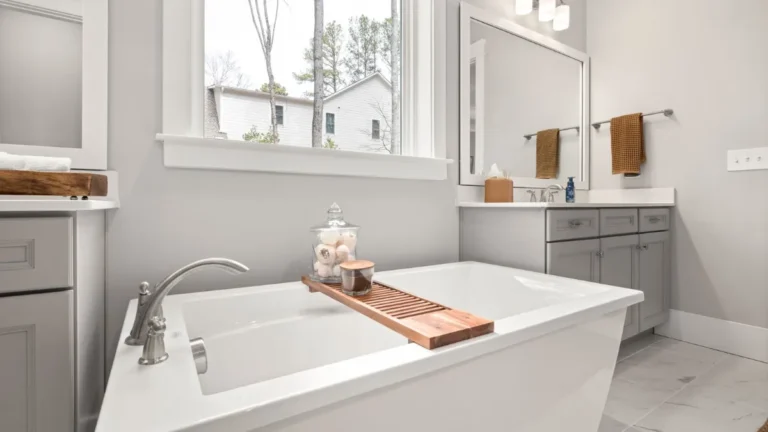 Soaking Tub Guide: Depth, Freestanding vs Alcove, Materials, Weight and Water HeaterA soaking tub is made for lying back and letting the water reach your shoulders. It s deeper than a standard…Read more →
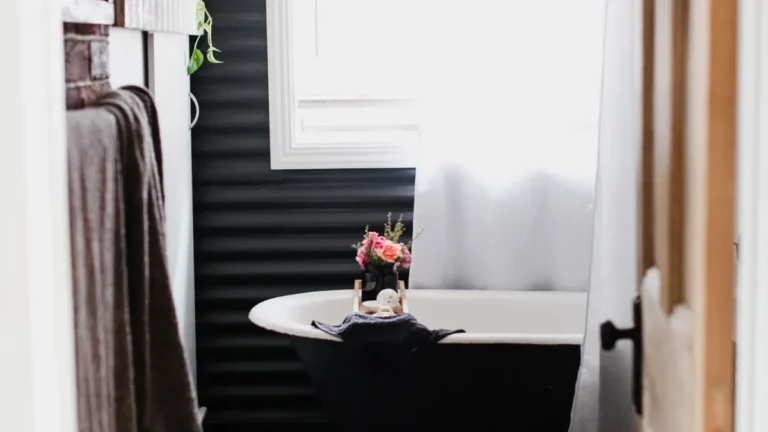 Clawfoot Tub Guide: Types, Weight, Floor Support, Faucets and Installation CostA clawfoot tub is a freestanding bathtub that stands on four decorative feet, often shaped like a claw gripping…Read more →
 Walk-In Tub: Pros, Cons, Cost, Installation and Medicare CoverageA walk-in tub has a door in the side, so you can step in instead of climbing over a high wall. For people with…Read more →
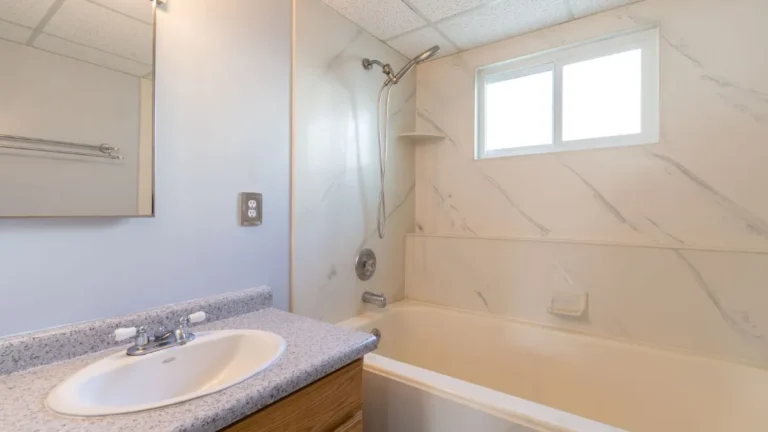 Tub Shower Combo Guide: Standard Sizes, Replacement vs Walk-In Shower Conversion and Cost RangesQuick answer: a tub shower combo is a bathtub with a shower above it in one alcove. It keeps a soaking option…Read more →