Shower Rod Guide: Tension vs Wall-Mount, Straight vs Curved, 60-Inch Sizes and How to Measure
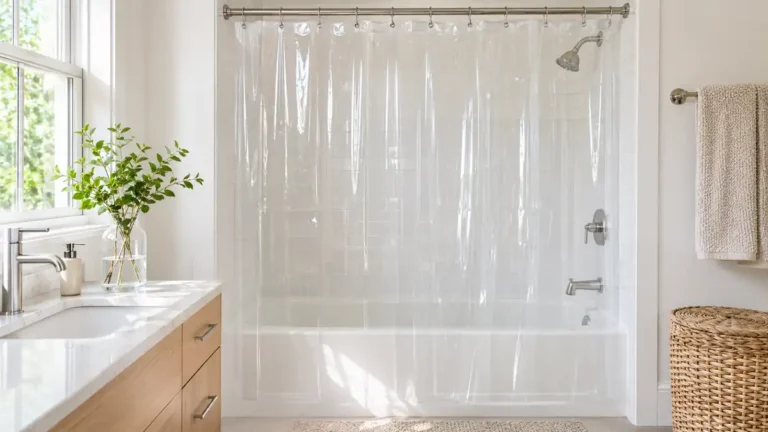
Quick answer: a shower rod holds your shower curtain. Straight rods are commonly sold in 48, 60 and 72 inch lengths, while curved rods usually run 60 to 72 inches and give more elbow room. Tension rods install without drilling, and wall-mounted (secure-mount) rods are fixed with brackets. Measure straight across from wall to wall.
This article is part of our shower guide, where you can compare related options.
A shower rod seems simple until the curtain clings to you, the rod falls in the night or the length is off by two inches. The right rod keeps a curtain hanging cleanly, adds room inside a small shower and survives daily pulling. This guide explains the types, sizes, how to measure, installation methods, materials and how to choose. The search had little about mounting height or clearance from the showerhead, so I do not state a height rule. Check the manufacturer’s instructions.

Types of Shower Rods
Straight Rods
The classic. A straight bar from wall to wall. Simple, wide choice of finishes and the most common. Straight rods are commonly sold in 48, 60 and 72 inch lengths, fitting most bathtub or shower openings.
Curved Rods
A curved rod bows outward, giving extra elbow room inside the shower. Curved rods extend outward and usually range from 60 to 72 inches. They hold the curtain away from your body so it clings less. Moen and Signature Hardware sell 60 inch curved rods in brushed nickel, matte black and chrome.
Tension Rods
Tension rods hold themselves in place by pressure between walls and need no drilling. Moen’s curved tension rod adjusts from 57 to 60 inches. Zenith’s straight tension rod covers 34.5 to 60 inches. A Glacier Bay 60 inch tension rod is designed to install easily in showers up to 60 inches wide without cutting or drilling.
Wall-Mounted (Secure-Mount) Rods
These are fixed with brackets screwed into the wall. One 60 inch brushed stainless curved rod is listed with a secure-mount installation type. They are more secure and suit heavy curtains.
Other Types
Key points: double rods for a liner and a decorative curtain; corner or L-shaped rods for corner showers; ceiling-mounted rods for walk-in showers; ring-less hooks and rods with built-in rollers.
Standard Sizes
| Type | Typical lengths |
|---|---|
| Straight | 48, 60, 72 inches |
| Curved | 60 to 72 inches |
| Tension (straight) | Adjustable, such as 34.5 to 60 inches |
| Tension (curved) | Adjustable, such as 57 to 60 inches |
A standard bathtub is 60 inches long (general knowledge, see the bathroom remodel and shower pan guides), which is why 60 inch rods are the most common.
How to Measure
One manufacturer says to measure straight across from wall to wall, since the curve and bracket allowances are already built into the stated rod length. Steps:
- Measure wall to wall at the height where the rod will go.
- Check at two heights. Walls may be uneven.
- Choose an adjustable tension rod if the measurement falls between sizes.
- For wall-mount rods, choose the length that spans the opening, and follow the manufacturer’s trim guidance.
- Check clearance for the curtain, shower door and ceiling.
Moen’s curved tension rod uses pivoting flanges to handle uneven walls.
Mounting Height
The search results gave little guidance on mounting height. The only height figures were product dimensions, such as a rod with a 3.2 inch overall height and 5.8 inch depth. Typical mounting height and clearance from the showerhead or tub edge are not covered here, so check the manufacturer’s instructions or an installation guide. Allow enough room that the curtain hem sits just inside the tub and does not drag on the floor.
Installing a Tension Rod
- Measure and extend the rod to slightly longer than the opening.
- Twist to lock.
- Place it at the planned height.
- Check that it holds firmly by gently pulling.
- Do not hang heavy objects.
Tension rods can slip on slick tile, and the weight of a wet curtain can pull them down. Choose rubber ends and check them regularly.
Installing a Wall-Mount Rod
- Mark the mounting points.
- Use a level.
- Drill pilot holes.
- Use proper anchors in tile or drywall, or screw into studs.
- Attach the flanges and rod.
If you drill through tile, use a tile bit and be careful not to crack it. Seal holes to avoid water getting into the wall. For waterproofing near shower surrounds, see the shower inserts guide.
Materials and Finishes
Key points: stainless steel. Rust-resistant. Moen’s rods list 304 stainless steel; aluminum. Light and rust-resistant; brass. Heavy and durable; coated steel. Cheaper but can rust if the coating chips; finishes: chrome, brushed nickel, matte black, bronze and white.
Match finishes to your faucet and accessories. See the bathroom accessories guide.
Weight and Curtains
A rod must carry the weight of the curtain, liner and rings. Heavy fabric curtains need a sturdy, wall-mounted rod. Lightweight vinyl liners are fine on tension rods. Keep the weight within the rod’s rating if listed.
Care
Key points: wipe the rod regularly; clean mineral buildup with vinegar water; tighten tension rods now and then; replace rusty rods; wash the curtain. See the how to clean a shower curtain guide.
What are the main strengths and weaknesses?
| Type | Pros | Cons |
|---|---|---|
| Straight tension | No drilling, cheap | Can slip |
| Curved tension | Extra room, no drilling | May slip |
| Straight wall-mount | Secure | Needs drilling |
| Curved wall-mount | Secure, roomy | Costs more |
How to Choose a Shower Rod
Measure wall to wall. Choose straight or curved. Choose tension or wall-mount. Check the length range. Choose material and finish. Check weight needs. Check the wall type. Read reviews. Check the manufacturer’s installation guide.
What mistakes should you avoid?
A few common mistakes are worth avoiding: measuring the old rod; choosing a tension rod for a heavy curtain; forgetting about uneven walls; drilling into tile with a wrong bit; buying a rod that rusts; skipping the pivoting flange on uneven walls.
Frequently Asked Questions
What size shower rod do I need?
Measure wall to wall. Standard tubs often take a 60 inch rod.
What is the difference between straight and curved?
A curved rod bows outward for extra elbow room. Curved rods usually run 60 to 72 inches.
Do tension rods need drilling?
No, they hold by pressure.
Are tension rods secure?
They can slip, especially with heavy curtains. Wall-mount is more secure.
What material is best?
Stainless steel and aluminum resist rust.
How high should I mount it?
The search had no reliable height rule. Check the manufacturer’s instructions.
Conclusion
A good shower rod fits the opening, carries your curtain and resists rust. Measure wall to wall, choose straight or curved, and pick tension for easy installs or wall-mount for secure ones.
Follow the manufacturer’s instructions for mounting height and anchors. A well-fitted rod makes every shower cleaner and more comfortable.
Related guides
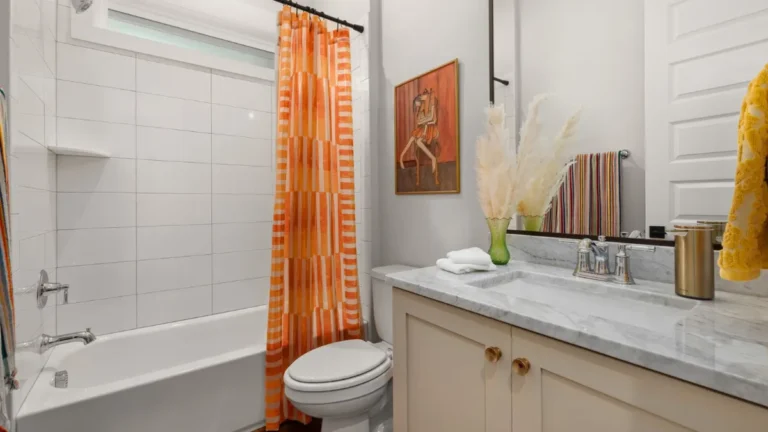 Shower Curtain Rod Guide: Tension vs Fixed, Straight vs Curved, Size and HeightA shower curtain rod looks like the simplest item in the bathroom, but it causes more small problems than…Read more →
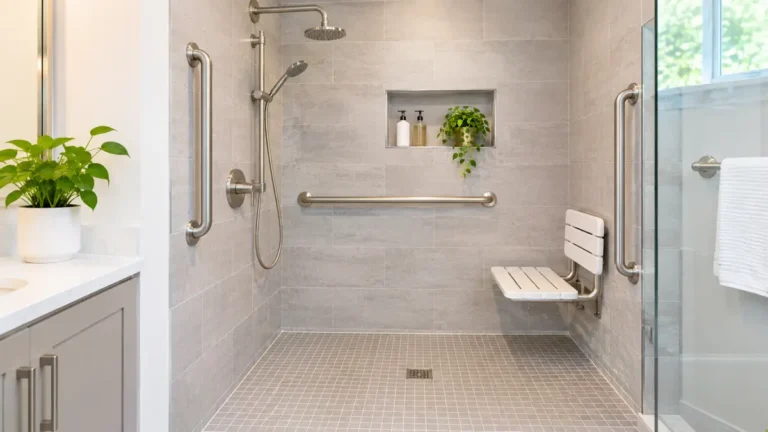 Roll-In Shower: Size, Threshold, Slope and What Accessibility Rules Usually RequireA roll-in shower is a shower with no curb, so a person using a wheelchair can roll straight in. Vendors…Read more →
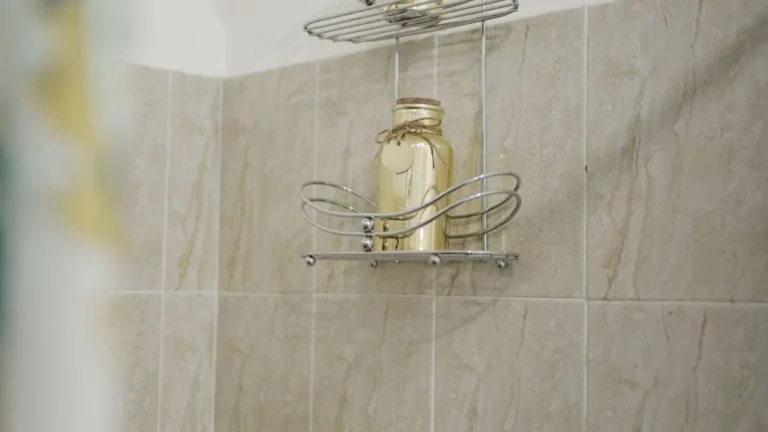 Shower Shelf: Tension Pole, Adhesive and Built-In Types, Weight and RustThere are three main types of shower shelf: tension-pole caddies, adhesive-mounted shelves and glued-in or…Read more →
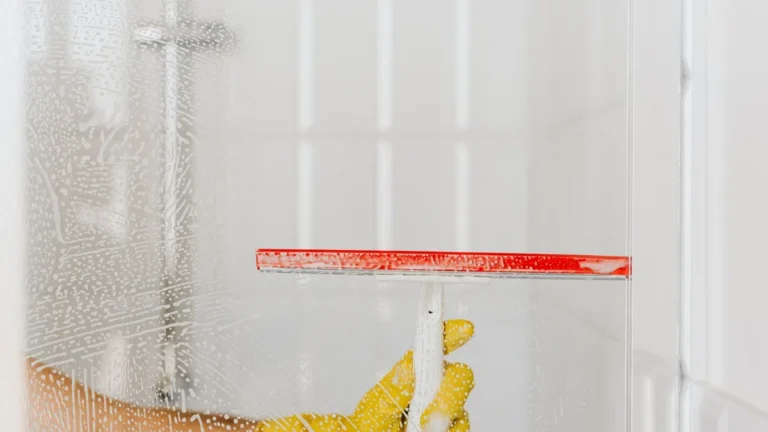 Shower Squeegee Guide: How to Use It Daily, Prevent Mold and Hard Water Spots, Blade and Handle TipsQuick answer: a shower squeegee removes water from glass, tile and fixtures right after you shower, before it…Read more →