Shower Seat Guide: Fold-Down Teak Benches, Sizes, Weight Capacity, Mounting and ADA Notes
Quick answer: a shower seat gives you a safe place to sit while bathing. Wall-mounted fold-down teak benches in the search ran from about 16 to 36 inches wide with ratings of 250 to 400 pounds, but those ratings only apply when the seat is installed into solid wood backing or studs. Check one-hand operation and the mounting height against the ADA Standards or local code before installing.
This article is part of our shower guide, where you can compare related options.
A shower seat helps people with balance problems, fatigue, injuries or limited stamina, and it is useful for shaving legs, bathing a child or sitting to wash. It can fold up to save space. But a shower seat is a load-bearing safety item, so the way it is mounted matters more than the style. This guide explains types, sizes, weight capacity, mounting, ADA notes, materials and how to choose. The search did not confirm the ADA seat mounting height of 17 to 19 inches, which I know as general knowledge only. This is not safety, code or medical advice. Ask an occupational therapist or a contractor.

Types of Shower Seats
Wall-mounted fold-down bench. Folds up against the wall when not in use. DreamLine, Moen and Freedom Showers sell these. Freestanding shower bench. Stands on legs. A TeakCraft 21 inch bench is a freestanding option with a 350 pound capacity, fully assembled. Built-in tiled bench. Part of the shower structure, common in custom showers. Corner seat. Shower chair with a back. For people who need more support. (General knowledge; not covered by the search.). Transfer bench. Spans the tub edge. (General knowledge.).
Sizes and Capacity
Examples from listings:
| Product | Size | Capacity |
|---|---|---|
| DreamLine 20 inch teak folding seat | 20 by 15.375 inches, 10.5 inches high | 250 pounds when properly installed |
| Moen DN7110 | 20 inches wide, 15 inches deep | 400 pounds |
| Home Aesthetics 36 inch teak bench | 36 inches wide | 400 pounds recommended |
| Grab Bars teak bench | Wall-mounted | 300 pounds when installed into wood backing |
| TeakCraft 21 inch freestanding | 21 inches | 350 pounds |
So widths run from about 16 to 36 inches and capacities from 250 to 400 pounds. Choose a rating well above the user’s weight. The DreamLine listing shows seat height options of 16, 17, 18, 19 and 20 inches, but it is unclear whether that refers to the mounting height or the seat height.
Mounting: The Critical Part
Ratings depend on installation.
The DreamLine listing says it requires special reinforced mounting. A Crosslinks bench is rated when installed directly into wall beams by professional contractors. A Grab Bars bench is rated 300 pounds when properly installed into wood backing.
Practical points:
- Find studs or add blocking. In a tiled shower, blocking may need to be installed behind the wall during a remodel.
- Use the supplied hardware or stainless steel screws rated for the load.
- Seal screw holes with waterproof sealant to keep water out of the wall.
- Test by gently applying weight before relying on it.
- Check periodically for loose screws and rust.
Never mount a shower seat into tile and drywall alone. Hire a contractor if you are unsure. See the floating bathroom vanity guide for stud and blocking principles.
ADA and Accessibility Notes
Compliance claims vary: A Wayfair listing says its bench satisfies the minimum Americans with Disabilities Act weight capacity requirement of 250 pounds when properly installed. A Grab Bars listing says its bench is not ADA compliant due to requiring two hands to maneuver the hinges.
So check one-hand operation, not just weight rating. The search did not confirm the ADA mounting height. From general knowledge, the 2010 ADA Standards call for a shower seat mounted 17 to 19 inches above the floor, but I did not verify that here. Confirm the mounting height, size and location against the current ADA Standards or local code. Seat size and grab bar placement are separate requirements. Ask an accessibility professional, especially for roll-in showers. See the shower pan sizes and curbless shower guides for accessible shower notes.
Materials
Teak. Naturally water-resistant and common for shower benches. Needs occasional cleaning to prevent mildew. Stainless steel and aluminum frames. Rust-resistant hardware. Plastic and molded seats. Light and easy to clean. Slat design. Slots let water drain.
Check for splinters, sharp edges and rust on hinges.
Comfort and Safety
Choose a seat depth and width that fits the user. A seat about 15 inches deep suits many adults. Look for non-slip surfaces. Place a handheld shower head within reach. Add a grab bar nearby. Grab bars are separate from seats and should be installed correctly. Use a non-slip mat on the floor. Keep soap and shampoo within reach to avoid leaning. Test the fold mechanism and make sure it locks. Don’t use a shower seat as a step stool.
If someone has serious balance or mobility problems, ask a healthcare professional.
Care
Key points: rinse after use; wipe with mild soap. Dry teak occasionally; oil teak only if the maker advises; check hinges, screws and sealant every few months; clean the wall behind it.
What are the main strengths and weaknesses?
On the plus side: safer, more comfortable bathing; folds up to save space; many sizes and materials; teak looks spa-like. On the downside: needs strong mounting; ratings depend on installation; compliance claims vary; teak needs care.
How to Choose a Shower Seat
Decide the user and need. Choose wall-mounted, freestanding or built-in. Choose size that fits the shower. See the shower pan sizes guide. Check capacity (aim well above user weight). Check one-hand operation for accessibility. Plan mounting into studs or blocking. Check ADA mounting height and local code. Choose material. Read reviews. Hire a pro for installation.
What mistakes should you avoid?
A few common mistakes are worth avoiding: mounting into tile and drywall only; trusting the weight rating without proper installation; assuming “ADA compliant” in a listing is verified; ignoring one-hand operation; forgetting grab bars; choosing a seat too small.
Frequently Asked Questions
How much weight can a shower seat hold?
Listings show 250 to 400 pounds, but only when properly installed into backing or studs.
Are all fold-down shower seats ADA compliant?
No. One listing says its bench is not ADA compliant because it needs two hands to operate.
How high should I mount a shower seat?
The search did not confirm it. Check the ADA Standards or local code.
What material is best?
Teak is popular. Stainless steel and plastic are also used.
Can I install one myself?
Only if you can hit studs or add blocking. Otherwise hire a pro.
Do I need a grab bar too?
Often yes for safety. Ask a professional.
Conclusion
A shower seat makes bathing safer and more comfortable, but only if it is mounted correctly. Choose a seat with the right size and capacity, check one-hand operation and confirm mounting height with the ADA Standards or local code.
Mount into studs or blocking, seal the holes and check regularly. When in doubt, hire a contractor.
Related guides
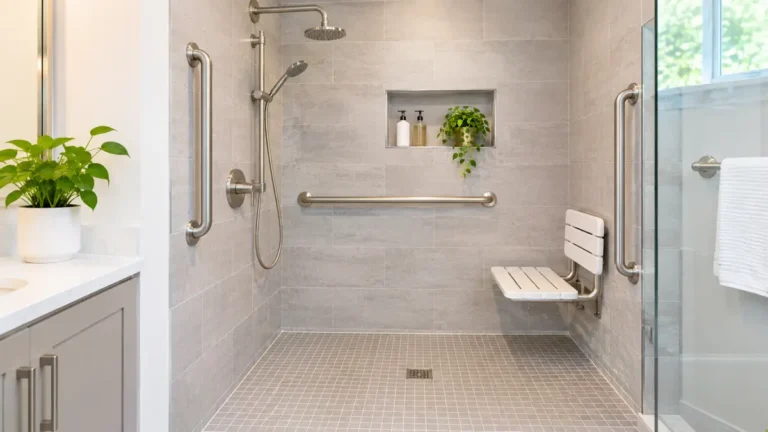 Roll-In Shower: Size, Threshold, Slope and What Accessibility Rules Usually RequireA roll-in shower is a shower with no curb, so a person using a wheelchair can roll straight in. Vendors…Read more →
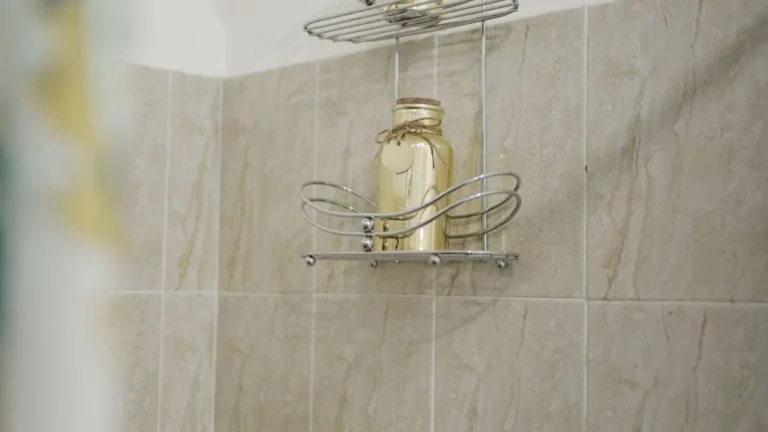 Shower Shelf: Tension Pole, Adhesive and Built-In Types, Weight and RustThere are three main types of shower shelf: tension-pole caddies, adhesive-mounted shelves and glued-in or…Read more →
 Camp Shower Guide: Solar Shower Bags, 5-Gallon Capacity, Heating Time, Water Temperature Safety and SetupQuick answer: a camp shower is a portable shower for camping, RV trips and beach days. The most common type is…Read more →
 Shower Squeegee Guide: How to Use It Daily, Prevent Mold and Hard Water Spots, Blade and Handle TipsQuick answer: a shower squeegee removes water from glass, tile and fixtures right after you shower, before it…Read more →