
Bathroom Wall Cabinet Guide: Recessed vs Surface-Mount, Depth, Over-Toilet Fit and Mounting Height
Quick answer: a bathroom wall cabinet adds storage on the wall, often with a mirror. Recessed cabinets sit inside the wall cavity and need about 4 inches of clear depth. Surface-mount cabinets bolt to the wall and run roughly 4 to 8 inches deep. Over the toilet, a deep cabinet can cause head and shoulder clearance problems.
This article is part of our bathroom storage and mirror guide, where you can compare related options.
A wall cabinet is one of the best ways to add storage in a small bathroom without using floor space. It can hold medicine, toiletries and towels, and with a mirrored door, it replaces a separate mirror. But choosing between recessed and surface mounting, depth, door style and height takes planning. This guide explains the types, sizes, depth rules, mounting heights, door swing, over-the-toilet fit and how to choose. I found no authoritative standard for over-toilet cabinet height, so the one height figure from a manufacturer is treated as a starting point only.

Types of Bathroom Wall Cabinets
Medicine cabinet: a mirrored cabinet, often above the sink. Recessed cabinet: built into the wall cavity, flush with the wall. Surface-mounted cabinet: hangs on the wall surface. Over-the-toilet wall cabinet: mounted above the toilet tank. Walmart lists wall-mount medicine cabinets for the space over the toilet. Semi-recessed cabinet: partly in the wall. Corner wall cabinet: fits a corner. Wall cabinet with shelves and doors: for towels. Open shelf cabinet: a shallow cabinet with open compartments.
See the bathroom storage guide for towers and over-toilet units, and the LED mirror guide for lighted mirrors.
Recessed vs Surface-Mount
One guide explains the difference: Recessed: installed inside the wall cavity so the cabinet sits flush with the wall surface. Needs stud checks and wall cutting. Surface-mounted: needs only secure mounting hardware, making it easier for DIY installers.
| Feature | Recessed | Surface-mount |
|---|---|---|
| Look | Flush, sleek | Protrudes |
| Install | Cut wall, check studs | Hang with screws |
| Wall requirement | Clear cavity about 4 inches | Studs or anchors |
| Storage | Limited by cavity | Can be deeper |
Recessed units cannot go in walls with plumbing, wiring or tile that you cannot cut. Many models can be installed either way. Retail specs list “recessed or surface mounted” for some Home Depot-type models, such as a 30 inch wide, 36 inch tall, 5 inch deep frameless cabinet.
Depth
A buying guide gives typical figures: about 4 inches for recessed units; 5 to 6 inches for semi-recessed; 4 to 8 inches for surface-mounted.
It also says recessed models need 4 inches of clear wall cavity. Retail specs match: one recessed product lists a minimum wall cavity depth for recessed mounting of 4 inches.
Depth should be checked against the door swing, toilet placement and shower entry. Depth should never be chosen in isolation. See the powder room guide for clearances.
Over-the-Toilet Placement
Over-the-toilet cabinets are common in small bathrooms. One retailer cites a 9.8 inch deep over-the-toilet cabinet as deeper than standard options. A deep surface-mount unit can cause head and shoulder clearance problems when you stand up from the toilet or lean forward. Tips: Choose a shallower cabinet (about 6 to 8 inches) above the toilet. Keep the bottom of the cabinet well above the tank so you can lift the lid. Check the flush handle and tank height. Make sure the cabinet does not block the toilet’s side clearance. Anchor into studs.
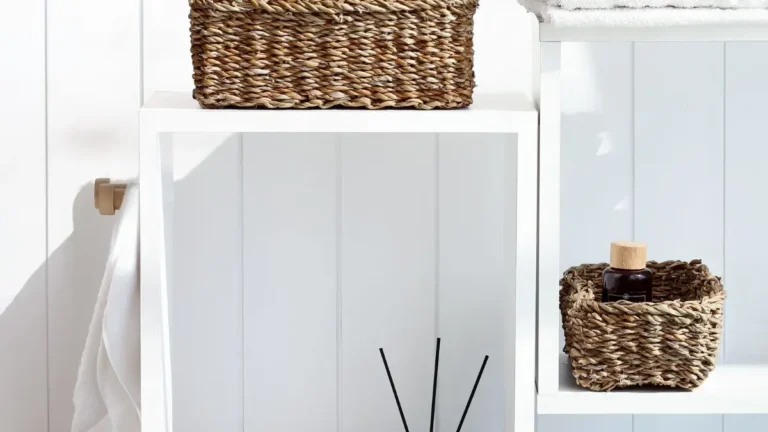
See the bathroom storage and over toilet storage guides.
Mounting Height
A manufacturer’s installation document says the recommended height of bath cabinets is 64 inches from the finished floor to the center of the cabinet, adjustable to preference. That is a general bath-cabinet guideline, not specific to toilets, so treat it as a starting point and not a rule for over-the-toilet units. For mirrored cabinets, center the mirror near eye level for the main users. For over-toilet units, leave clearance above the tank. Check the manufacturer’s instructions.
Sizes
Common widths: 15, 20, 24, 30, 36 and 40 inches or more. Heights range from 20 to 36 inches for medicine cabinets. Examples from listings: 30 inches wide by 36 inches tall by 5 inches deep. 36 inches wide by 26 inches tall by 5.25 inches deep. 39.5 inches wide by 36 inches tall by 5 inches deep. A Croydex single bathroom wall cabinet with a mirrored door at 662 by 510 millimeters.
Match the width to your vanity or mirror space. Consider whether you want one door or several.
Doors and Mirrors
Key points: single door. Simple; double or triple doors. More access; mirrored door. Doubles as a mirror; solid or paneled door. Hides contents; glass door. Display; soft-close hinges; door swing direction. Make sure the door opens without hitting the vanity light or wall.
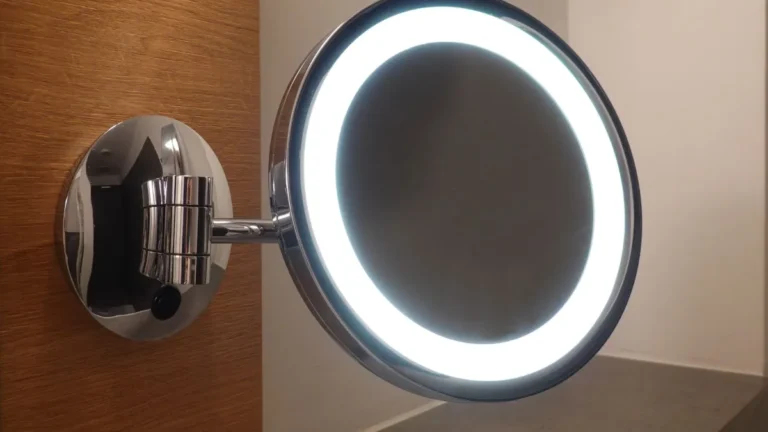
Some mirrored cabinets include LED lighting and defoggers. See the LED mirror guide.
Materials
Key points: aluminum. Rust-proof, common in recessed cabinets; stainless steel; MDF with moisture-resistant finish; solid wood or plywood; glass shelves.
Choose rust-resistant, moisture-friendly materials.
Safety and Storage Tips
Key points: store medicines as the label says and out of children’s reach; keep electrical appliances away from water; don’t overload shelves; anchor into studs or use rated anchors; keep heavy items low; check door glass is tempered or safe.
Installation Overview
For surface mount:
- Find studs.
- Mark the height and level.
- Install the mounting bracket or screws.
- Hang the cabinet.
- Check level and door swing.
For recessed:
- Check for studs, pipes and wires.
- Cut the opening.
- Frame if needed.
- Insert and secure the cabinet.
- Trim and caulk.
If you are unsure about plumbing, wiring or tile, hire a pro.
What are the main strengths and weaknesses?
On the plus side: saves floor space; hides clutter; combines storage and mirror; many sizes. On the downside: recessed units need wall cutting; deep units reduce clearance; mirrored doors show fingerprints; needs secure mounting.
How to Choose a Bathroom Wall Cabinet
Decide the location: above sink or toilet. Decide recessed or surface-mount. Check wall cavity and studs. Choose depth for clearance. Choose width and height. Choose door style and swing. Check materials. Plan the mounting height. Check lighting and electrical needs. Read reviews.
What mistakes should you avoid?
A few common mistakes are worth avoiding: choosing too deep a cabinet over the toilet; cutting into walls without checking pipes and wires; ignoring the door swing; using drywall anchors for heavy cabinets; mounting too high or too low; treating a general height as a rule.
Frequently Asked Questions
What is the difference between recessed and surface-mounted?
Recessed cabinets sit inside the wall, flush. Surface-mounted cabinets hang on the wall.
How deep are bathroom wall cabinets?
About 4 inches recessed, 5 to 6 semi-recessed and 4 to 8 surface-mounted.
Can I put a cabinet over the toilet?
Yes, but deep units can cause head clearance problems.
How high should I mount it?
One maker suggests 64 inches to the cabinet center, as a general starting point. Check the instructions.
Do recessed cabinets need special walls?
They need a clear wall cavity about 4 inches deep, without pipes or wires.
Should I anchor into studs?
Yes, or use anchors rated for the load.
Conclusion
A bathroom wall cabinet adds storage without taking floor space. Choose recessed for a flush look or surface-mount for easy installation, check depth against the toilet and doors, and anchor securely.
Use the manufacturer’s height guidance only as a starting point, and test your layout before drilling. A well-chosen cabinet makes a small bathroom neat.
Related guides
 Bathroom Cabinets: Types, Storage Ideas and How to ChooseBathrooms are small and full of stuff. Towels, toothpaste, medicine, cleaning products, hair tools and spare…Read more →
 Bathroom Shelf Guide: Floating, Corner and Over-Toilet Types, Spacing, Weight Capacity and Moisture-Safe MaterialsQuick answer: bathroom shelves add storage on the wall. Common types are floating, recessed, corner, ladder,…Read more →
 Bathroom Organizer Guide: Under-Sink, Drawer, Countertop and Shower Storage IdeasBathrooms collect clutter fast. Half-used bottles, tangled hair tools, spare towels, makeup, cleaning supplies…Read more →
 Bathroom Mats Guide: Cotton vs Microfiber vs Memory Foam, Non-Slip Backing, Sizes and Washing Without DamageQuick answer: a bathroom mat catches drips and gives your feet a soft, safe landing. Cotton is absorbent and…Read more →


One Comment