Small TV Guide: Best Sizes (24 to 32 Inch), Viewing Distance and Resolution
Not every TV needs to be a giant screen. A small TV fits in a bedroom, a kitchen, a dorm room, a home office or an RV. It costs less, uses less power and doesn’t overwhelm a room. The challenge is picking the right size, because a screen that’s too small is hard to watch and one that’s too big for the space feels cramped.
This article is part of our tv stand buying guide, where you can compare related options.
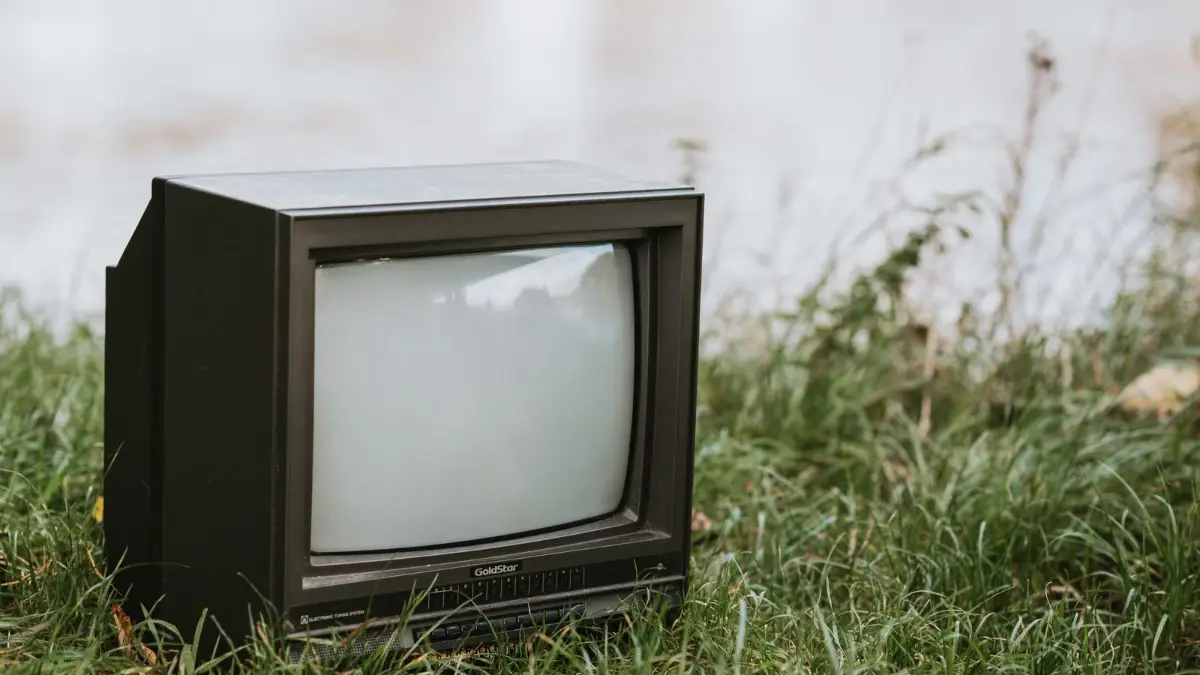
A small TV is typically 24 to 32 inches, measured diagonally across the screen. Smaller sets under 24 inches exist, mostly for kitchens and campers. Small TVs are usually used as second sets, not as the main screen in a living room.
This guide explains small TV sizes, how far to sit, what resolution to expect, which features to check and where to place one. You’ll also find a comparison table, a checklist and answers to common questions. It does not recommend brands.
What Counts as a Small TV?
A small TV is typically 24 to 32 inches, measured diagonally. Which? and other buying guides describe 24 to 32 inch sets as the range for a second TV in a bedroom or kitchen. John Lewis recommends a 24 to 32 inch screen when the couch sits less than about 5 feet from the set, according to one buying guide.
Sizes vary slightly by brand. The size on the box is the diagonal, so the actual width is smaller. A 32 inch TV is about 28 inches wide, which is simple geometry for a standard 16:9 screen (my own calculation, not from the sources).
How Far Should You Sit?
Viewing distance depends on the screen size and your eyesight.
24 inch TV. Which? says you can comfortably view a 24 inch TV at around six feet (1.8 meters). 32 inch TV. The optimum distance is about seven feet (2 meters), according to Which?. Another guide puts a 32 inch set at approximately 4 to 6 feet, depending on preference and eyesight. Too far. Philips advises that if you sit further back than about 1.3 meters, a small set will usually feel too small for comfortable viewing.
If your bed is about six feet from the TV, a 24 to 32 inch set is a good fit. If you sit eight or more feet away, a bigger screen may be better.
| Screen size | Comfortable distance (Which?) | Good for |
|---|---|---|
| 24 inch | About 6 feet | Kitchens, desks, dorms |
| 32 inch | About 7 feet | Bedrooms, small living areas |
Resolution: Is 4K Needed?
Which? found that there are no 4K 32 inch TVs, because their small screens mean the increase in detail isn’t visible. At this size, 1080p (Full HD) is the practical ceiling.
One forum thread notes that 720p material looks noticeably worse at longer distances, so a 720p set suits only close viewing. That is a user comment, not a test.
What this means for you: For a 24 inch screen at close range, 720p or 1080p can be fine. For a 32 inch screen, 1080p is a better choice. Don’t pay extra for 4K on a very small set unless you have a specific reason.
Features to Check
My search results did not give reliable guidance on smart TV features versus monitor use. These are general points to check against the models you’re considering.
Smart features: does it have built-in apps like streaming services, or will you use a separate stick or box? Inputs: HDMI ports for a game console, soundbar or streaming stick. Check how many you need. Tuner: do you need a built-in tuner for broadcast channels, or do you only stream? Sound: small TVs have small speakers. A soundbar or headphones can help. Viewing angle: for bedrooms, you may watch from the side. Check reviews. Mounting: VESA holes let you mount it on a wall or arm. See the how to mount TV on wall guide. Stand design: feet at the edges need a wider surface. Center pedestals fit narrow shelves. Power use: smaller screens usually use less energy. Brightness: for sunny kitchens, look for a brighter screen. Remote and ease of use: a simple remote helps in a guest room.
Where to Put a Small TV
Bedroom: on a dresser, a wall mount or a wall shelf. Keep it at a comfortable viewing height from the bed. Don’t place it where it makes the room feel cluttered. Kitchen: on a counter, a wall bracket or an under-cabinet mount. Keep it away from splashes and steam. Dorm or small apartment: on a desk or a small TV stand. See the TV stand guide. Home office: on a shelf or wall, at a height that doesn’t strain your neck. RV or camper: use a lightweight set with a secure mount. Kids’ room: wall mount to prevent tipping, or anchor furniture. Use parental controls.
For furniture, check the weight. Small TVs weigh little, but the stand should still be stable. Use anti-tip straps where children are around.
Small TV vs Computer Monitor
Some people use a monitor as a small TV. A monitor has high pixel density and good picture quality up close, but may lack a built-in tuner and speakers. I found no reliable source comparing the two, so check the specs and features of each model before deciding.
Care and Safety
Key points: dust the screen with a soft, dry microfiber cloth; avoid harsh cleaners, which can damage coatings; keep vents clear for airflow; don’t put it in direct sun if you can help it; use a surge protector; anchor or mount it securely, especially around kids and pets.
How to Choose a Small TV
Measure the viewing distance. Pick the size. 24 inch for closer viewing, 32 inch for a bit more distance. Choose the resolution. 1080p is practical. Check smart features and inputs. Think about sound. Check the mounting options. Check the stand width and your furniture. Think about room lighting. Set a budget. Read reviews for notes on picture and smart features.
What mistakes should you avoid?
A few common mistakes are worth avoiding: choosing too small for the distance (you’ll squint); paying extra for 4K at this size (the extra detail isn’t visible); ignoring inputs (you may need more HDMI ports); forgetting about sound (tiny speakers may disappoint); not checking the stand (it may not fit your furniture); skipping anti-tip safety (especially in kids’ rooms).
Frequently Asked Questions
What size is a small TV?
Usually 24 to 32 inches, measured diagonally.
How far should I sit from a 32 inch TV?
Which? suggests about 7 feet. Another guide says 4 to 6 feet depending on preference and eyesight.
Is a 32 inch TV good for a bedroom?
For many bedrooms, yes. It suits viewing from about 4 to 7 feet.
Do I need 4K on a small TV?
No. Which? found there are no 4K 32 inch TVs because the extra detail isn’t visible at that size. 1080p is the practical ceiling.
Can I mount a small TV on the wall?
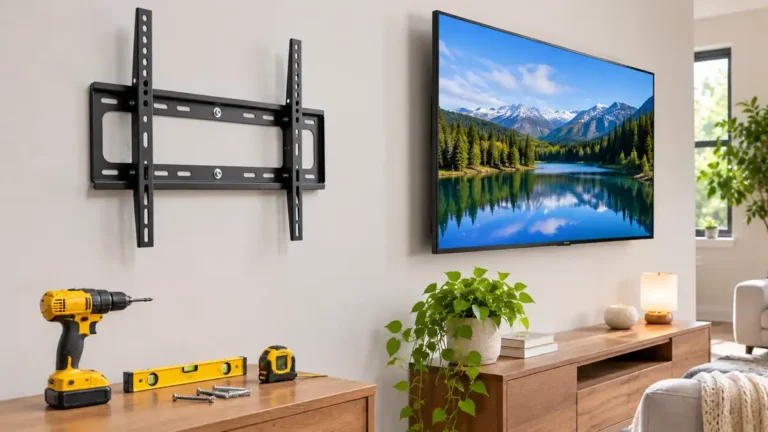
Yes, if it has VESA holes. Use a suitable mount and anchor to studs where possible.
What is better for a kitchen, 24 or 32 inch?
It depends on your distance. 24 inch suits close viewing, and 32 inch suits more space.
Conclusion
A small TV is a practical choice for bedrooms, kitchens, dorms and offices. Pick a size that matches your viewing distance, with 24 inches for about six feet and 32 inches for about seven. Stick with 1080p, since 4K adds nothing at this size.
Check the inputs, sound and mounting options, and place the set safely. With the right small TV, you get a comfortable screen without taking over your room.
Related guides
 TV Cabinet Guide: Sizing to Your TV, Cable Management, Ventilation, Doors and HeightA TV cabinet holds your TV, hides your gear and sets the tone for the living room. A good one fits your…Read more →
 TV Trays Guide: Folding Tables, Sizes, Materials, Stability and StorageTV trays are small, foldable tables that let you eat dinner on the couch, hold a laptop, put down a drink or…Read more →
 TV Stand: How to Choose the Right Size, Style and StorageA TV stand does more than hold up your screen. It decides how your living room looks, where your cables go and…Read more →
 Small Sofa Guide: Loveseat and Apartment Sofa Sizes (48 to 84 Inches), Arms, Depth and Fit for Small RoomsQuick answer: a small sofa can be a compact loveseat (about 48 to 58 inches wide and 30 to 34 inches deep) or…Read more →