
Soaking Tub Guide: Depth, Freestanding vs Alcove, Materials, Weight and Water Heater
A soaking tub is made for lying back and letting the water reach your shoulders. It’s deeper than a standard tub, so you can really submerge. That makes it popular for relaxing, sore muscles and a spa-like bathroom. But a deep tub is also heavy, uses a lot of water and takes real planning.
This article is part of our bathtub guide, where you can compare related options.
A soaking tub is a bathtub designed with extra depth for full-body soaking. It can be freestanding, alcove or drop-in. “Soaking” describes the depth, not the shape or style, so a freestanding tub can also be a soaker. This guide also covers what people search as “free standing tub.”
This guide explains how deep a soaking tub is, how it compares with a freestanding tub, what materials and weights to expect, what to check about your floor and water heater and how to choose. See the bathtub guide for general types. You’ll also find a comparison table, a checklist and answers to common questions.

What Makes a Tub a Soaking Tub?
Depth is the main difference. One retailer says freestanding soaking tubs prioritize depth over length, and another puts a soaking tub at 14 inches or more, enough to cover your shoulders instead of your waist.
Depth ranges vary by source. One guide lists a standard tub at 12 to 14 inches and a deep soaking tub at 19 to 23 inches, with Japanese-style upright soakers at 24 to 30 inches. Another notes that a normal freestanding bathtub typically has a soaking depth of 12 inches.
The “true” soaking depth is typically measured from the tub’s interior floor to the overflow, not from the tub’s rim. Always check the interior dimensions and the depth to the overflow, not just the exterior size.
| Tub | Typical soaking depth (varies by source) |
|---|---|
| Standard tub | About 12 to 14 inches |
| Soaking tub | About 14 inches or more, up to 19 to 23 |
| Japanese-style soaker | About 24 to 30 inches |
Soaking Tub vs Freestanding Tub
These are different categories that can overlap.
Freestanding tub: doesn’t need walls for installation. It stands on its own, and usually needs more space to accommodate the tub and through-the-floor or through-the-wall plumbing. Pros include a modern look and no need for framing and support. Cons include that they take longer to fill and are expensive. Soaking tub: defined by depth. It can be alcove, drop-in, corner or freestanding.
If you’re short on floor space, one guide advises you to prioritize depth over length. A compact, deep tub can feel luxurious in a small room.
Types and Styles
Freestanding soaking tub: the statement piece. Oval, rectangular or slipper-shaped. Alcove soaking tub: fits in a three-wall space. Often has a deeper bowl. Drop-in soaking tub: sits in a deck or platform. Japanese soaking tub (ofuro): short and very deep, with an upright seat. Clawfoot tub: a classic freestanding style, sometimes deep. Corner soaking tub: fits in a corner and can be wide.
See the bathtub guide for a full list of tub types.
Materials and Weight
Materials affect weight, heat retention and price.
Cast iron: extremely durable and holds heat well. The tradeoff is weight. Stone resin: heavy, at 150 to 250 pounds for most models, according to one source. Feels solid and holds heat. Acrylic: lighter and easier to maintain. One guide says porcelain and acrylic tubs are easier to maintain than some natural stone options. Fiberglass: light and affordable, but less durable. Natural stone or copper: luxurious but very heavy and costly.
Soaking tubs are generally heavier than a standard, shallower tub and, therefore, will require more support when installed.
Floor Support: The Biggest Check
This is the biggest installation check. The load is the tub plus water plus the bather. One guide says to calculate the weight of the tub, the weight of the water in the tub and the weight of the bather(s). Water weighs about 8.3 pounds per gallon (general knowledge, not from my sources), so a 60 gallon tub holds around 500 pounds of water alone.
It’s worth having a contractor confirm the subfloor, especially on upper floors. Heavy tubs may need extra joists or a reinforced floor. Don’t skip this step. A failed floor is a very costly problem.
Water Capacity and Water Heater
One guide recommends a 50 to 80 gallon capacity for consistent performance, and it advises checking that a tankless heater can supply the fill volume. Another source notes that deep tubs often require a new water heater to heat the increased water volume.
I did not find concrete fill-time figures, so work it out yourself. Divide the tub’s gallon capacity by your faucet’s flow rate to estimate fill time. For example, a 60 gallon tub filled at 4 gallons per minute takes about 15 minutes (my own calculation, not from the sources).
Think about: Whether your water heater can supply enough hot water for a full tub. The flow rate of your faucet or filler. Whether to install a high-flow tub filler. Heat loss while soaking (cast iron and stone resin hold heat longer).
Size and Layout
Check these measurements: length and width. Outside and inside dimensions; height. Think about stepping in and out; interior depth. To the overflow; water capacity; product weight.
Leave space around a freestanding tub for cleaning, a floor-mounted faucet and easy access. A common planning point is to leave a comfortable gap between the tub and walls. Check the manufacturer’s installation guide for clearances and plumbing requirements.
Comfort matters too. If possible, sit in a showroom tub to test the back slope, the seat and the height.
How to Choose a Soaking Tub
Measure the room. Include doors, windows and walking space. Choose the type. Freestanding, alcove or drop-in. Check the interior depth to the overflow. Check the water capacity and your water heater. Confirm floor support with a contractor. Pick the material. Cast iron or stone resin for heat retention, acrylic for lower weight. Plan the plumbing and faucet. Test comfort if you can. Set a budget. Include installation. Read reviews for notes on heat retention and finish.
Care and Cleaning
Clean with a mild, non-abrasive cleaner. Avoid harsh scrubbers on acrylic and enameled surfaces. Rinse and dry after use to prevent water spots. Check seals and caulk regularly. Keep a bath mat for safety. See the bath mat guide. Don’t use bath products that the maker warns against, such as certain oils that can damage the finish. Check the care guide.
What mistakes should you avoid?
A few common mistakes are worth avoiding: ignoring floor strength (a filled tub is very heavy); skipping the water heater check (you may not fill the tub with hot water); measuring only the exterior (interior depth and shape matter); choosing a tub for looks and not comfort (test the back slope); forgetting the faucet (a freestanding tub needs a floor-mounted or wall-mounted filler); not planning for clearance (you need room to clean).
Frequently Asked Questions
What is a soaking tub?
A bathtub with extra depth, designed so water covers your shoulders.
How deep is a soaking tub?
One says 14 inches or more, another lists 19 to 23 inches for deep soakers, and Japanese-style tubs run 24 to 30 inches. Check the depth to the overflow.
What is the difference between a soaking tub and a freestanding tub?
Soaking refers to depth, and freestanding refers to installation. A freestanding tub can also be a soaker.
How much does a soaking tub weigh?
Stone resin tubs are 150 to 250 pounds for most models, and cast iron is heavier. Add the water and the bather. Check floor support.
Do I need a bigger water heater for a soaking tub?
Often. One source notes deep tubs often require a new water heater to heat the increased water volume.
How long does it take to fill a soaking tub?
It depends on capacity and flow rate. Divide the gallons by your faucet’s gallons per minute.
Conclusion
A soaking tub gives you the deep, relaxing bath you can’t get in a standard tub. Choose between freestanding, alcove or drop-in styles, check the interior depth, the water capacity and the material.
Confirm floor support and water heater capacity before you buy. With the right planning, a soaking tub can turn your bathroom into a quiet retreat.
Related guides
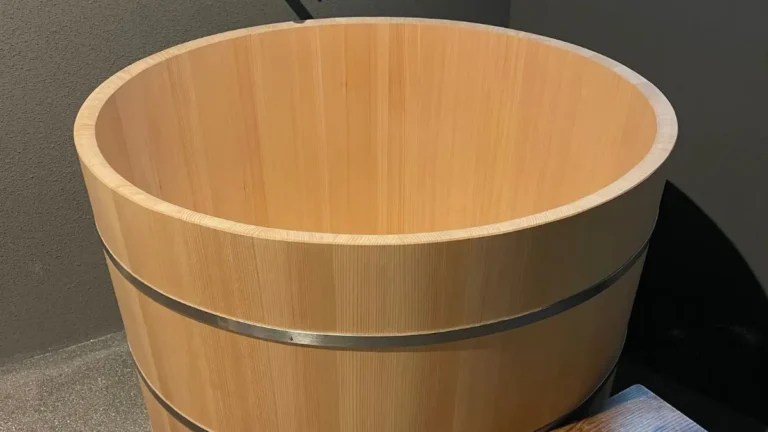 Japanese Soaking Tub Guide: Ofuro Depth, Small Bathroom Fit, Hinoki Wood vs Modern Materials and InstallationQuick answer: a Japanese soaking tub, or ofuro, is a deep, compact bathtub made for sitting upright and soaking…Read more →
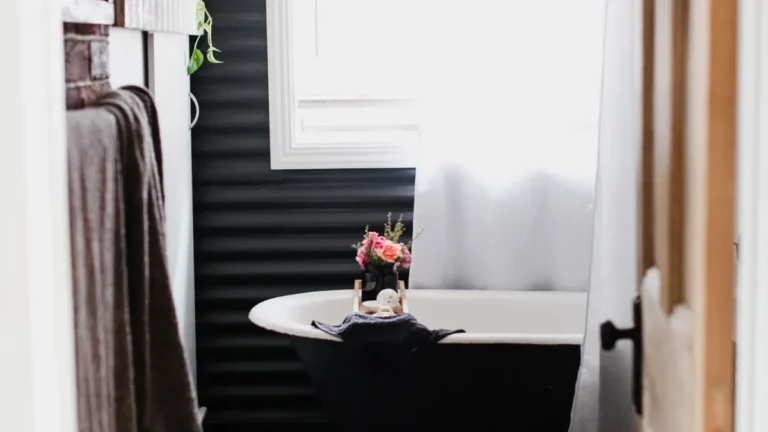 Clawfoot Tub Guide: Types, Weight, Floor Support, Faucets and Installation CostA clawfoot tub is a freestanding bathtub that stands on four decorative feet, often shaped like a claw gripping…Read more →
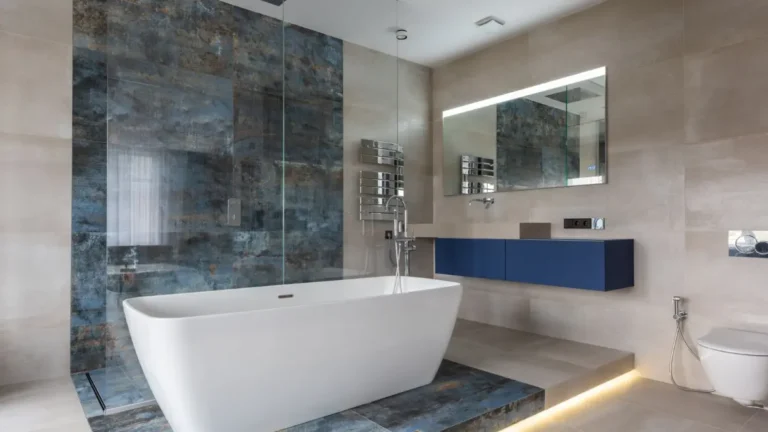 Walk-In Tub: Pros, Cons, Cost, Installation and Medicare CoverageA walk-in tub has a door in the side, so you can step in instead of climbing over a high wall. For people with…Read more →
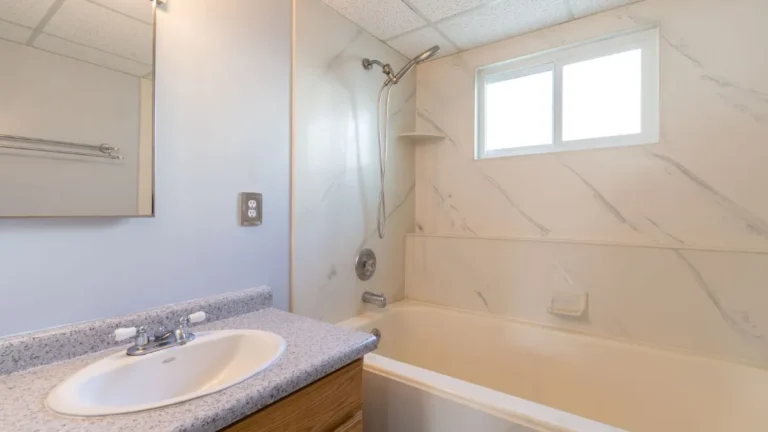 Tub Shower Combo Guide: Standard Sizes, Replacement vs Walk-In Shower Conversion and Cost RangesQuick answer: a tub shower combo is a bathtub with a shower above it in one alcove. It keeps a soaking option…Read more →

One Comment