Terry Cloth Guide: What It Is, Why It Absorbs Water, Types and How to Care for It
Pick up a bath towel, a bathrobe or a bath mat, and you are probably touching terry cloth. It is the soft, bumpy fabric that soaks up water so well that you can dry your whole body with one towel. Most people know it by feel, but not by name. Understanding what terry cloth is, and why it works, helps you choose better towels and robes and care for them so they last.
This article is part of our bath towel and bath mat guide, where you can compare related options.
Terry cloth, also called terry or terrycloth, is a pile fabric covered in tiny loops. The loops are what make it absorbent, soft and thick. It is usually made from cotton, though polyester and blends are common. This guide explains how terry cloth is made, why the loops matter, the main types, where it is used, how to choose quality terry and how to care for it. Most of the structure comes from textile-industry sources. The sources had headings for care but little actual guidance, and they did not explain French terry in detail, so those sections use general knowledge and I have marked them.
What Is Terry Cloth?
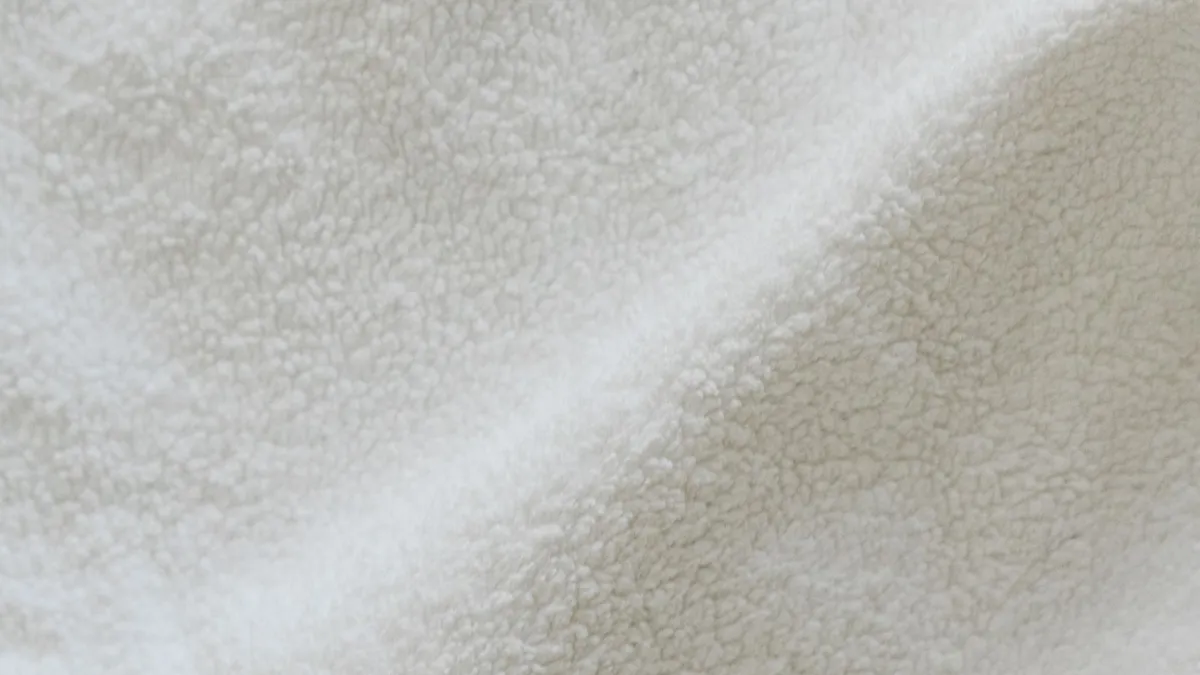
Terry cloth is a woven fabric with uncut loops on one or both sides. The name may come from the French word tiré, meaning “drawn,” and the fabric was first used for uncut velvet, called terry pile or terry velvet. The loops are formed by a second set of warp yarns, called the pile warp. This pile warp increases the surface area, which makes terry cloth super absorbent, strong and soft to the touch.
Terry cloth is a pile fabric, usually woven of cotton, with uncut loops on both sides, used for bath towels and robes.
Why Is Terry Cloth So Absorbent?
The answer is surface area and structure.
Loops add surface area. Each loop is a tiny curl of yarn that can hold water. Thousands of loops hold much more water than a flat weave. Loops on both sides. Terry cloth is most absorbent when it has loops on both sides. Longer loops hold more water. Long pile is more absorbent than short pile. Loose twist helps. Loosely twisted loops are softer and more absorbent than tightly twisted loops, which produce a rougher fabric. Cotton fibers absorb water well. They draw moisture into the fiber and between fibers.
This is why a thick terry towel feels so different from a flat cotton kitchen towel.
Types of Terry Cloth
Three main types.
Towel terry (classic terry): cotton terry cloth with loops on both sides. Incredibly absorbent. You find this type in bathrobes, beach towels and bath linens. Terry velour: terry towels where the loops on one side have been cropped (sheared) to give a smoother, velvety texture and make printed designs clearer. Often used for beach towels with patterns. The velour side is smooth, and the loop side absorbs water. French terry: sources name it as a distinct type alongside towel terry and velour, but the results did not explain how it differs. From general knowledge: French terry has loops on the inside and a smooth surface outside. It is lighter and less absorbent than towel terry, and it is common in sweatshirts and loungewear. It is not usually used for towels. Terry blends: cotton-polyester or microfiber blends dry faster and may last longer, but absorb less than pure cotton.
| Type | Loops | Feel | Common use |
|---|---|---|---|
| Towel terry | Both sides | Thick, soft | Towels, robes, bath mats |
| Terry velour | One side cropped | Smooth and plush | Beach towels, printed designs |
| French terry | One side | Light, smooth outside | Loungewear (general knowledge) |
| Blends | Varies | Varies | Budget, quick-dry |
Where Terry Cloth Is Used
Key points: bath towels, hand towels and washcloths. The most common use; bathrobes. Robes are typically made of terry. See the robe uses below; bath mats. Soft, absorbent mats for the bathroom floor. See the bath mat and stone bath mat guides; beach towels and pool wraps; baby items. Hooded towels and bibs; spa wear and slippers; kitchen towels and cleaning cloths; headbands and wristbands. Sports gear; seat covers and car upholstery; sewing projects. Terry fabric is sold by the yard.
What Makes Good Terry Cloth?
Quality depends on fiber, weight and construction.
Fiber. Cotton is the standard. Long-staple cotton, such as Egyptian, Pima or Supima, makes softer, stronger loops. Blends are cheaper but less absorbent. Weight (GSM). GSM means grams per square meter. Heavier towels are thicker and more absorbent, but slower to dry. Common bath towels range from about 400 to 700 GSM (general knowledge). Lightweight towels are good for travel and gyms. Loop density and height. Dense, evenly spaced loops feel plush. Twist. Loose twist for softness, tight twist for durability. Edges. Double-stitched hems resist fraying. Label. Look for the fiber content and any certifications you care about.
If a towel feels rough or sheds a lot of lint after the first wash, it may be low quality.
How to Care for Terry Cloth
Always check the care label.
Wash before first use to remove finishing chemicals and improve absorbency. Use warm or cool water and a gentle or normal cycle. Avoid too much fabric softener. It can coat the fibers and reduce absorbency. Do not overload the washer. Towels need room to move. Wash colors separately at first. Do not mix with items that shed lint or have hooks, such as zippers and Velcro, which can snag loops. Dry on low to medium heat. Very high heat can damage fibers and make towels stiff. Shake and fluff towels before drying. Do not pull snagged loops. If a loop pulls out, trim it with scissors instead of tugging. Hang towels to dry between uses to avoid mildew. Wash weekly or more often if damp.
If towels feel stiff or less absorbent, a wash with white vinegar and no softener may help. Check the care label, since vinegar may not suit all fabrics.
Terry Cloth and Mold
Terry holds water, so a damp towel left in a pile can grow mildew. Hang it spread out, and give it time to dry. Keep the bathroom ventilated. Replace towels that stay musty after washing.
What are the main strengths and weaknesses?
On the plus side: very absorbent; soft and comfortable; durable when well made; widely available; machine washable. On the downside: slow to dry, especially thick towels; can snag; can shed lint at first; heavy to wash and dry; low-quality terry becomes rough.
How to Choose Terry Towels and Robes
Check the fiber: cotton is best for absorbency. Check the weight to balance plushness and drying time. Feel the loops: soft, dense and even. Look at the stitching on hems. Choose the size for your use: bath sheet, bath towel, hand towel or washcloth. Pick colors that suit your bathroom. Check the care instructions. Read reviews for notes on shedding and softness over time.
What mistakes should you avoid?
A few common mistakes are worth avoiding: using too much fabric softener (it reduces absorbency); drying on very high heat; leaving towels damp in a pile; washing towels with zippers or Velcro; pulling snagged loops; buying only on thickness (quality matters more).
Frequently Asked Questions
What is terry cloth?
A pile fabric with loops on one or both sides, usually cotton, used for towels and robes.
Why is terry cloth absorbent?
The loops add surface area, and cotton fibers absorb water.
What is the difference between terry cloth and French terry?
French terry has loops on one side and is lighter. Sources did not explain the details, so check the product description.
Can I use fabric softener on terry cloth?
Use it sparingly or not at all. It can reduce absorbency.
How do I fix a snagged loop?
Trim it with scissors. Do not pull it.
Is terry cloth good for babies?
It is soft and absorbent, but choose soft, tested fabrics and follow care labels.
How often should I wash terry towels?
Weekly, or more often if they stay damp.
Conclusion
Terry cloth is the loop-covered fabric behind most towels and robes. Its loops give it a large surface area, which is why it soaks up water so well. Choose cotton for absorbency, pick a weight that suits you, and wash and dry it gently without too much softener.
With simple care, terry cloth stays soft and absorbent for a long time, and every shower ends a little more comfortably.
Related guides
 Bathroom Mats Guide: Cotton vs Microfiber vs Memory Foam, Non-Slip Backing, Sizes and Washing Without DamageQuick answer: a bathroom mat catches drips and gives your feet a soft, safe landing. Cotton is absorbent and…Read more →
 Microfiber Towel Guide: GSM, Waffle vs Chenille Weave, Car, Gym and Hair Uses and Care Without Fabric SoftenerQuick answer: microfiber towels are made of very fine synthetic fibers that soak up water quickly. GSM (grams…Read more →
 Bath Robe Guide: Terry vs Waffle vs Microfiber, Fit, Length, Weight and CareQuick answer: a bath robe dries and warms you after a bath. Terry cotton is the classic, absorbent but heavy.…Read more →
 Small Laundry Room Ideas: Stacked Machines, Folding Counters, Vertical Storage and Layouts That WorkQuick answer: the best small laundry room ideas are to stack the washer and dryer, add a folding counter or…Read more →