
Best Bath Towels: Cotton Types, GSM, Size and How to Choose
A good bath towel feels soft on your skin, soaks up water fast and holds up after many washes. A bad one feels scratchy, leaves you damp or gets thin after a few months. The difference comes down to the material, weight and weave.
This article is part of our bath towel and bath mat guide, where you can compare related options.
Bath towels are large towels made to dry your body after a shower or bath. Most are made of cotton, which absorbs water well. Some are blends or use other fibers like bamboo-style fabrics or microfiber. They vary in weight, size, texture and price.
This guide explains the cotton types, how GSM works, what sizes to expect, which weaves to look for and how to care for your towels. It doesn’t rank brands, because a fair ranking needs hands-on testing. Instead, it helps you pick the best bath towels for your own needs.
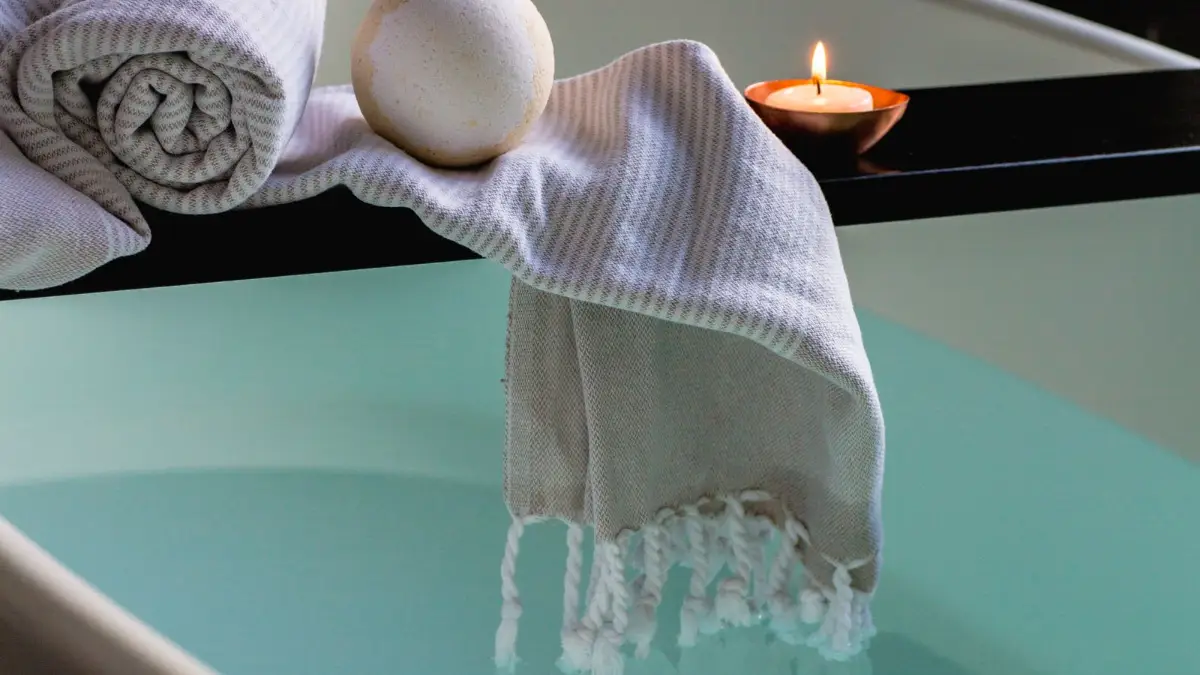
What Makes a Bath Towel “Best”?
The best towel depends on what you want. Some people want a thick, spa-like towel that feels luxurious. Others prefer a light towel that dries quickly. A family with kids may want towels that are tough and easy to wash.
Think about these questions: do you want a plush feel or a light, quick-dry towel?; how much storage and drying space do you have?; do you wash towels often?; what’s your budget?.
Once you know your priorities, the details below make the choice simpler.
Types of Cotton
Cotton fibers come in different lengths. Longer fibers make smoother, stronger and more durable towels.
Egyptian cotton: a long-staple cotton known for softness and strength. Towels made from it tend to feel luxurious and last long. Turkish cotton: another long-staple type. Turkish towels as lightweight and fast drying. One says Turkish towels are lighter and dry faster than Egyptian cotton but aren’t quite as absorbent, while another says Turkish cotton is known for its absorbency and is often used in spa towels. Pima cotton: a cotton grown in the American Southwest. One source says it has qualities close to Egyptian cotton and is more wallet friendly. It can be durable when cared for properly. Organic cotton: grown without certain chemicals. Look for recognized certifications if this matters to you. Regular (short-staple) cotton: common and low in cost. It can feel rougher and wear out sooner. Blends and other fibers: some towels mix cotton with polyester or other fibers. One source warns that makers sometimes add synthetic fibers to cut costs. Microfiber towels dry fast and are light but feel different from cotton.
What Is GSM?
GSM stands for grams per square meter. It measures the weight and density of the fabric. A higher GSM usually means a thicker, heavier and more plush towel. A lower GSM means a lighter, thinner towel that dries faster.
Examples in the sources run from about 380 GSM for a waffle towel to about 700 GSM for plush Turkish or Egyptian towels. One list suggests 600 GSM or higher for a luxurious feel.
| GSM range | Feel | Best for |
|---|---|---|
| Under 400 | Light, thin | Gym, travel, quick drying |
| 400 to 600 | Medium | Everyday use |
| 600 and above | Thick, plush | Spa-like comfort |
Higher isn’t always better. Very heavy towels take longer to dry and can be harder to wash. If your bathroom is humid or small, a medium weight may work better.
Towel Weaves and Textures
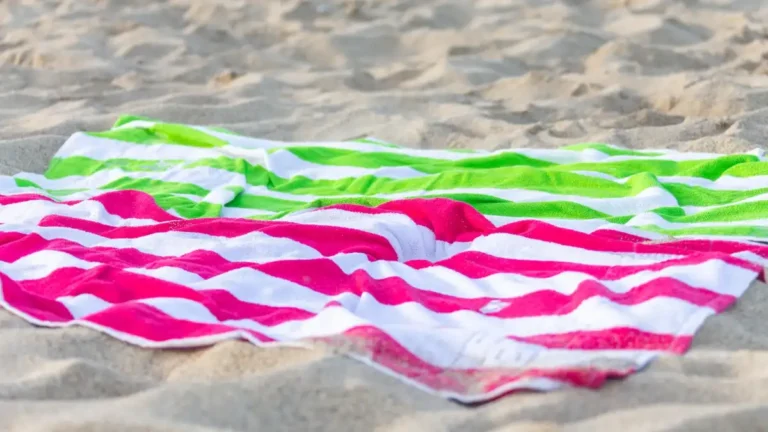
Terry: the classic loop pile. It’s absorbent and soft. Most bath towels use terry. Velour: a terry towel with a sheared, smooth surface on one side. It feels velvety but absorbs a little less. Waffle weave: has a honeycomb pattern. It’s light, quick-drying and looks spa-like. Turkish (flat) weave: thin and flat, often used for beach or hammam towels. They dry fast and pack small. Zero twist: a soft, fluffy type of terry. It feels plush, but check how it holds up over time.
Bath Towel Sizes
Bath towel sizes vary by brand. Many standard bath towels measure around 27 by 52 inches. Bath sheets are larger, often around 35 by 60 inches or more. Hand towels and washcloths are smaller. The sources I found didn’t give exact sizes, so check the product listing for the size in inches.
If you like to wrap yourself fully, a bath sheet may be a better pick than a standard bath towel. If your storage is limited, standard sizes are easier to fold and stack.
How Many Bath Towels Do You Need?
A simple rule is to keep two to three bath towels per person. That lets you use one, wash one and have a spare. Add a few extra for guests. Hand towels and washcloths are separate, so count those too.
How to Choose the Best Bath Towels
Pick the fiber. Long-staple cotton for softness and durability. Lightweight options for quick drying. Check the GSM. Medium for daily use, higher for a plush feel. Check the label for blends. If you want 100 percent cotton, make sure the tag says so. Feel the towel. If you can, touch it. A good towel feels soft and has dense loops. Look at the stitching. Tight, even hems last longer. Choose the size. Standard or oversized. Pick the color. Light colors show stains, and dark colors can bleed in the first washes. Check the care label. Make sure the towel suits your washing routine. Read reviews. Look for comments on linting, shrinking and how the towel holds up. Buy a set to test. A small set lets you try the feel before buying a full collection.
How to Wash New Towels
Wash new towels before the first use. This removes finishing chemicals and helps the fibers absorb water. Wash them with similar colors in warm or cool water. Avoid heavy fabric softener, which can coat the fibers and reduce absorbency. The sources I found had little specific guidance on care, so always follow the care label.
Dry towels fully and don’t leave them damp, which can cause a musty smell. Hang them to dry between uses, and wash them regularly.
Common Towel Problems
Lint: new towels often shed. It usually improves after a few washes. Scratchy feel: shorter fibers or a low-quality weave can feel rough. Washing and drying may soften them a bit. Poor absorbency: fabric softener build-up can cause this. Try washing without softener. Musty smell: usually from damp towels. Dry them well and wash them often. Fading and thinning: lower quality towels wear out sooner.
Frequently Asked Questions
What is the best material for bath towels?
Long-staple cotton, such as Egyptian, Turkish or Pima, is commonly recommended for absorbency and durability. Light options like Turkish towels or microfiber dry faster.
What does GSM mean on a towel?
GSM means grams per square meter. It measures fabric weight. Higher GSM usually means thicker and more plush.
What GSM is best for bath towels?
It depends on what you like. Around 400 to 600 is a medium weight for everyday use. Above 600 feels luxurious but dries more slowly.
Are Turkish or Egyptian towels better?
Turkish towels are often lighter and dry faster. Egyptian towels are known for softness and strength. Pick based on how you want your towel to feel.
How often should I replace bath towels?
When they become thin, rough, smelly or no longer absorb water well. Care and quality affect how long they last.
How do I make towels soft and absorbent?
Wash new towels first, avoid heavy fabric softener, dry fully and follow the care label.
Conclusion
The best bath towels match your needs. Long-staple cotton gives softness and durability, a medium to high GSM adds plushness and the right weave and size make daily use easy. Use the care label, wash new towels before use and avoid heavy fabric softener.
Instead of chasing a single winner, decide what matters most to you, such as comfort, quick drying or budget. Buy a small set to test, then build your collection with confidence.
Related guides
 Best Towels Guide: GSM, Cotton Types, Absorbency, Lint and How to Choose Bath TowelsA good towel does one job: it dries you. A bad towel moves water around, leaves lint on your skin or turns…Read more →
 Microfiber Towel Guide: GSM, Waffle vs Chenille Weave, Car, Gym and Hair Uses and Care Without Fabric SoftenerQuick answer: microfiber towels are made of very fine synthetic fibers that soak up water quickly. GSM (grams…Read more →
 Bath Robe Guide: Terry vs Waffle vs Microfiber, Fit, Length, Weight and CareQuick answer: a bath robe dries and warms you after a bath. Terry cotton is the classic, absorbent but heavy.…Read more →
 Baby Bath: Tub Types, Safety Rules and the Right Water TemperatureFor a safe baby bath, use a stable tub with a non-slip surface, keep the water warm but not hot (sources cite…Read more →

One Comment