Beach Towels: Size, Cotton vs Microfiber, Sand-Free Options and Care
A beach towel does more than dry you off. It’s your seat on the sand, your cover from the wind and sometimes your pillow. The best one is big enough to lie on, light enough to carry and absorbent enough to handle a wet swimsuit. The wrong one stays soggy, collects sand and smells by the next trip.
This article is part of our bath towel and bath mat guide, where you can compare related options.
A beach towel is a large, thin towel made for the beach, the pool or the lake. It’s usually bigger than a bath towel and lighter in weight. Most are made of cotton, microfiber or a blend.
This guide explains typical sizes, the main fabrics, how they compare, how to choose and how to wash and store beach towels. You’ll also find a comparison table, a checklist and answers to common questions.

Beach Towel Sizes
A 30 by 60 inch towel is a common size. One guide advises picking a towel large enough to cover you on the sand or poolside, but still lightweight and easy to carry. Many beach towels fall between 30 by 60 and 40 by 70 inches. Oversized towels give more room for two people but weigh more.
Think about how you’ll use it: drying off. A standard size works; lying on the sand. Choose a larger size; sharing with a child. A bigger towel gives room; traveling. A thin, compact towel packs well.
Sizes vary by brand, so check the dimensions in inches on the product page.
Beach Towel Fabrics
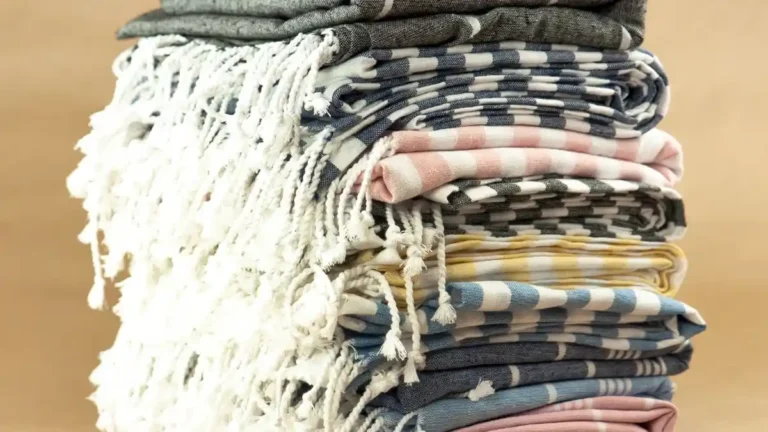
Cotton: known for absorbency and softness. Cotton beach towels tend to be bulkier and heavier, especially when wet, and take longer to dry than microfiber. Velour: a cotton variant with a sheared surface that feels plush and is often used for printed designs. It may not be as absorbent as regular cotton towels. Microfiber: light and quick drying. The fine fibers are described as sand-resistant, so grains shake off easily. Opinions differ on microfiber for skin contact. One retailer says it is not typically recommended for long contact with skin, while others say microfiber absorbs very well. Cotton-microfiber blends: some towels combine the two for a mix of benefits. Turkish cotton (flat weave): thin, light and quick to dry. Often used as a beach blanket. Terry cloth: the loops that give most bath towels their absorbency. Terry beach towels are thicker.
| Fabric | Absorbency | Drying speed | Weight | Sand |
|---|---|---|---|---|
| Cotton terry | High | Slow | Heavier | Sand clings |
| Velour | Medium | Medium | Medium | Less sand |
| Microfiber | Good | Fast | Light | Sheds sand |
| Turkish flat weave | Medium | Fast | Light | Sheds sand |
| Blend | Good | Medium | Medium | Medium |
Cotton or Microfiber?
Choose cotton or velour if: you want a soft feel and strong absorbency, and you don’t mind a heavier, slower-drying towel. Choose microfiber or a flat weave if: you want a light towel that dries fast and sheds sand, and you want it to pack small. Choose a blend if: you want a middle path. For a balance of both, one source suggests cotton or a cotton blend. Thinner microfiber towels are the lighter option.
Check the tag for fiber content. For maximum absorbency and softness, 100 percent cotton or cotton velour in 30 by 60 inches is the usual pick. If sand-shedding and quick drying matter more, microfiber or a blend fits better.
Features to Look For
Size and weight. Large enough to lie on, light enough to carry. Fabric. Cotton, microfiber or a blend. Color and pattern. Bright colors show less sand. Light colors can show stains. Patterns hide wear. Fade resistance. Look for colorfast dyes that survive sun and salt water. Stitching. Strong hems last longer. Hanging loop. Handy for drying. Pockets or straps. Some towels have a pocket for keys or a strap to carry. Sand-free design. Some towels use a weave that sheds sand. Packability. Compact towels fit in a bag easily.
How to Wash a Beach Towel
Follow the care label. Most cotton towels can be machine washed and tumble dried.
- Shake out sand before you put the towel in the machine, outside if you can. Sand can scratch the washer.
- Wash after each trip. One source says to wash your towel after each trip to the beach to remove salt, sand and sunscreen.
- Use a mild detergent and a normal cycle.
- Skip fabric softener. It can reduce absorbency over time.
- Dry fully. Tumble dry on medium heat or hang to dry in the sun.
- Wash dark or bright colors separately at first, since they can bleed.
For sunscreen stains, pre-treat with a stain remover and wash promptly.
How to Store Beach Towels
Keep towels in a dry, well-ventilated area to prevent mildew. Never put a damp towel in a bag for long. Hang it to dry as soon as you get home. Store clean, dry towels in a closet or a bin. If you keep towels in a car or bag, take them out after each trip.
Tips for Using a Beach Towel
Shake the towel out before you leave the beach. Bring a second towel for drying off and one for lying on. Use towel clips or weights on windy days. Keep a mesh bag for wet towels and swimsuits. Hang a wet towel in the sun when you get home. Don’t use bleach on colored towels.
How to Choose a Beach Towel
Decide how you’ll use it. Drying, lounging or traveling? Pick the size. 30 by 60 inches is common. Choose larger for lying down. Choose the fabric. Cotton for softness, microfiber for light and fast drying. Check the weight. Lighter is easier to carry. Look at colorfastness. Check the stitching. Think about sand. Choose a design that sheds sand if it bothers you. Read the care label. Read reviews. Set a budget.
What mistakes should you avoid?
A few common mistakes are worth avoiding: buying a towel that’s too small (it won’t cover you on the sand); choosing heavy cotton for travel (it takes too long to dry); leaving a wet towel in a bag (mildew will follow); using fabric softener (it lowers absorbency); skipping the wash after salt water (salt and sunscreen build up); ignoring color bleed (dark towels can stain other items).
Frequently Asked Questions
What size is a beach towel?
A common size is 30 by 60 inches. Many range up to about 40 by 70 inches.
Is microfiber or cotton better for a beach towel?
Cotton is softer and more absorbent. Microfiber is lighter, dries faster and sheds sand. Choose based on your needs.
Are velour beach towels absorbent?
They feel plush, but may absorb less than regular cotton terry.
How do I wash a beach towel?
Shake out sand, wash after each trip with mild detergent, skip fabric softener and dry fully.
How do I get sand out of a beach towel?
Shake it out well, then wash. Microfiber and flat weaves release sand more easily.
Can I use a beach towel as a bath towel?
Yes, though beach towels are often thinner and lighter. A cotton beach towel works fine.
Conclusion
The best beach towel suits how you use it. Cotton is soft and absorbent, microfiber is light and quick drying, and velour and blends sit in between. A 30 by 60 inch towel is a common size, with larger sizes for lying down.
Wash your towel after each trip, skip fabric softener and dry it fully. With a good towel and a little care, you’ll have a handy beach companion for many summers.
Related guides
 Best Towels Guide: GSM, Cotton Types, Absorbency, Lint and How to Choose Bath TowelsA good towel does one job: it dries you. A bad towel moves water around, leaves lint on your skin or turns…Read more →
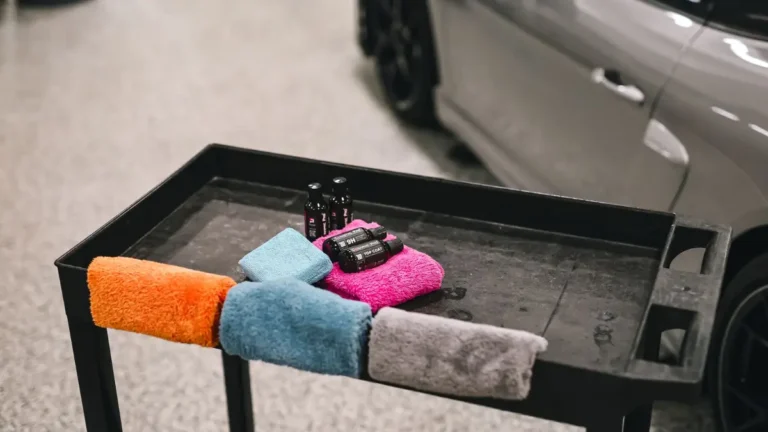 Microfiber Towel Guide: GSM, Waffle vs Chenille Weave, Car, Gym and Hair Uses and Care Without Fabric SoftenerQuick answer: microfiber towels are made of very fine synthetic fibers that soak up water quickly. GSM (grams…Read more →
 Hand Towels Guide: Standard Size (50 x 90 cm), GSM, Materials, Hand vs Guest Towel and CareQuick answer: a standard hand towel is about 16 by 28 inches, or roughly 50 by 90 centimeters. A weight of 500…Read more →
 Small Laundry Room Ideas: Stacked Machines, Folding Counters, Vertical Storage and Layouts That WorkQuick answer: the best small laundry room ideas are to stack the washer and dryer, add a folding counter or…Read more →