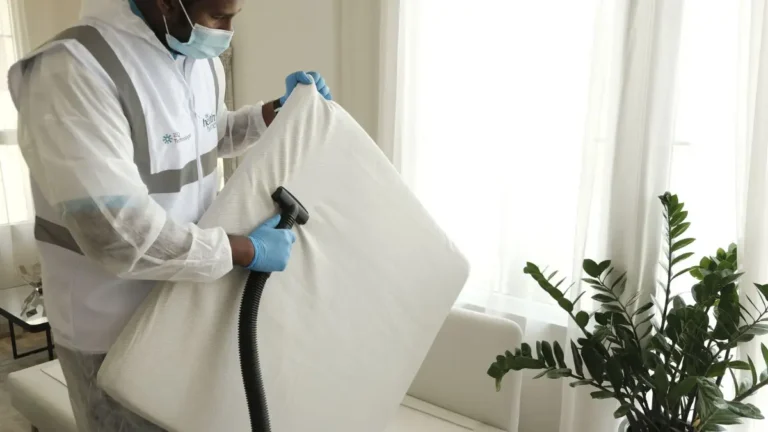
Waterproof Mattress Protector: Vinyl vs TPU, Noise, Heat and How to Choose
A waterproof mattress protector shields your mattress from spills, sweat and accidents. Vinyl (PVC) is a strong, cheap barrier but it’s noisier and traps more heat. Polyurethane, usually TPU, is softer, more breathable and nearly silent. A snug fit also helps keep a protector quiet. Pick the backing first, then check the top fabric.
This article is part of our mattress buying guide, where you can compare related options.
A mattress is a big purchase, and stains void many warranties. A protector costs far less than replacing a mattress. But some protectors crinkle every time you move, or they make a bed feel hot. Those problems come from the materials.
This guide explains the common waterproof materials, how they compare for noise and heat, what the shell fabric adds and how to choose.

What does a waterproof mattress protector do?
It covers the mattress with a thin waterproof layer under a fabric top. Puffy explains what a waterproof mattress protector is. The layer blocks liquid from reaching the foam or springs. It also helps keep out dust mites and sweat. Mattress Firm calls protectors a necessity for every bed.
What is the difference between waterproof and water-resistant?
Waterproof means liquid shouldn’t pass through, and water-resistant means it can slow liquid down, but may let some through over time. Wakefit publishes a guide on the difference. Check the label. If you need protection for children, pets or incontinence, choose waterproof.
Vinyl protectors
Vinyl (PVC) is a strong liquid barrier, but it’s a poor airflow material. One source says it can emit a plastic smell and may not be as breathable as polyurethane. Vinyl is also the usual culprit for crinkling. It feels smooth and shiny and makes noise when you squeeze it. It’s cheap, so it suits low budgets and short-term use.
Polyurethane and TPU protectors
Polyurethane, often TPU, is the better option for comfort. One source says TPU tends to be matte, softer and nearly silent. Another describes polyurethane as popular due to its flexibility, durability and breathability. A source says the most comfortable waterproof protector is usually made with TPU. It costs more than vinyl but is usually worth it for a bed you sleep on every night.
Other options
A few sources mention PTFE membranes and natural-fiber protectors made of cotton, bamboo or Tencel. These breathe well but offer less waterproofing, and some sources suggest hybrid constructions. If you want maximum waterproofing, choose TPU or vinyl. If you want maximum breathability, accept a little less protection.
Why does the top fabric matter?
A tightly woven polyester shell with a vinyl backing traps significantly more heat than a cotton-blend shell with a TPU backing, according to one source. Look at both layers. Cotton blends, bamboo and Tencel tops feel cooler. Our best cooling mattress topper guide discusses cooling materials in more detail.
How do I stop a protector from rustling?
Choose a snug fit. One source notes that a protector that fits properly stays quiet, and a loose one rustles with any membrane. Deep-pocket skirts and elastic edges help keep it tight. Measure your mattress depth, including any topper. Our adjustable mattress guide covers mattress thickness.
How do I wash it?
Follow the label. Most can be washed on a gentle cycle with mild detergent. High heat can damage the waterproof layer, so dry on low or air dry. Skip bleach and fabric softener unless the label allows them.
How do I choose?
Pick TPU for comfort, vinyl for budget and a snug fit in either case. Check the shell fabric, the pocket depth, the washing instructions and the warranty. Read reviews on noise and heat. For children’s beds, our kids bedroom sets guide covers sizing and safety ideas.
Who needs a waterproof protector most?
Parents of young children, pet owners, people with incontinence and anyone who eats or drinks in bed will notice the benefit fastest. It also helps with sweat, which can soak into foam over time. Even if you have no spills, a protector can keep a mattress cleaner and may help a warranty stay valid, since many makers exclude stains. Check your mattress warranty for the exact rule.
For a child’s bed, choose a protector that fits snugly and is easy to wash, because accidents happen at night. Our kids bedroom sets guide covers beds for children.
How do I fit and maintain a protector?
Measure the mattress depth, including any topper, and choose a protector with a deep pocket. Pull the corners tight and smooth the surface so there are no folds, which can make noise. Wash the protector regularly, following the label, and avoid high heat. Replace it when the waterproof layer cracks, peels or leaks, since a worn layer no longer protects.
If you use a mattress topper, decide whether the protector goes under or over it. Many people cover the mattress and the topper separately. Our best cooling mattress topper guide covers toppers.
Do protectors affect how a mattress feels?
A thin protector changes little, but a thick or stiff one can make a bed feel firmer or hotter. Stretchy fabric tops follow the mattress better than rigid ones. If you have a memory foam mattress, a stretchy TPU protector usually keeps the contour. Read reviews that mention feel and temperature. Our best firm mattress and adjustable mattress guides explain mattress feel and base flexibility.
What should I look for on the label?
Check the waterproof layer material (TPU, polyurethane or vinyl), the top fabric blend, the pocket depth and the care instructions. Look for any safety certification the maker lists, and ask what it covers. Check the warranty length. A longer warranty suggests the seller expects the waterproof layer to last. Compare prices per year of use, not just the sticker price.
Frequently Asked Questions
Which is quieter: vinyl or TPU?
TPU is quieter. Vinyl tends to crinkle.
Do waterproof protectors make you hot?
Vinyl and polyester tops trap more heat. TPU with a cotton blend is cooler.
Can I wash a waterproof protector?
Yes, usually on gentle cycles. Avoid high heat.
What’s the difference between waterproof and water-resistant?
Waterproof blocks liquid. Water-resistant only slows it.
Does fit matter?
Yes. A snug fit reduces rustling.
Conclusion
A waterproof mattress protector is a small investment that protects a large one. Choose TPU for comfort, check the top fabric and pick a snug fit to reduce noise and heat.
A good protector should be invisible while you sleep.
Related guides
 Mattress Protector: Protector vs Pad vs Topper, Waterproof and Bed Bug OptionsA mattress is a big purchase, and a spilled drink or a night of heavy sweat can ruin it. A mattress protector…Read more →
 Folding Mattress: Tri-Fold Foam Thickness, Sizes, Density and Who It SuitsA folding mattress is a foam mattress that folds into thirds so you can store it in a closet or carry it.…Read more →
 Adjustable Mattress Guide: Which Mattress Types Work on Adjustable Bases (Foam, Latex, Hybrid) and What to CheckQuick answer: most foam, latex and many hybrid mattresses work on an adjustable bed base. Casper rates memory…Read more →
 Full vs Queen Mattress: Size Difference, Couples, Room Size, Price and How to ChooseFull and queen mattresses are two of the most popular sizes in the country, and they look close on a size…Read more →