
Bathroom Cabinets: Types, Storage Ideas and How to Choose
Bathrooms are small and full of stuff. Towels, toothpaste, medicine, cleaning products, hair tools and spare toilet paper all need a home. Bathroom cabinets give everything a place, and they keep the room clean and calm. The right cabinet depends on your layout, your storage needs and your budget.
This article is part of our bathroom storage and mirror guide, where you can compare related options.
A bathroom cabinet is any enclosed storage unit used in a bathroom. It may be a medicine cabinet over the sink, a tall linen cabinet, a vanity cabinet, a wall cabinet over the toilet or a freestanding unit. Cabinets come in many sizes, finishes and materials.
This guide explains the main types of bathroom cabinets, how to match them to your space, what materials handle moisture and how to plan storage. It also covers what people search as “bathroom storage cabinet.” You’ll also find a comparison table, a checklist and answers to common questions.
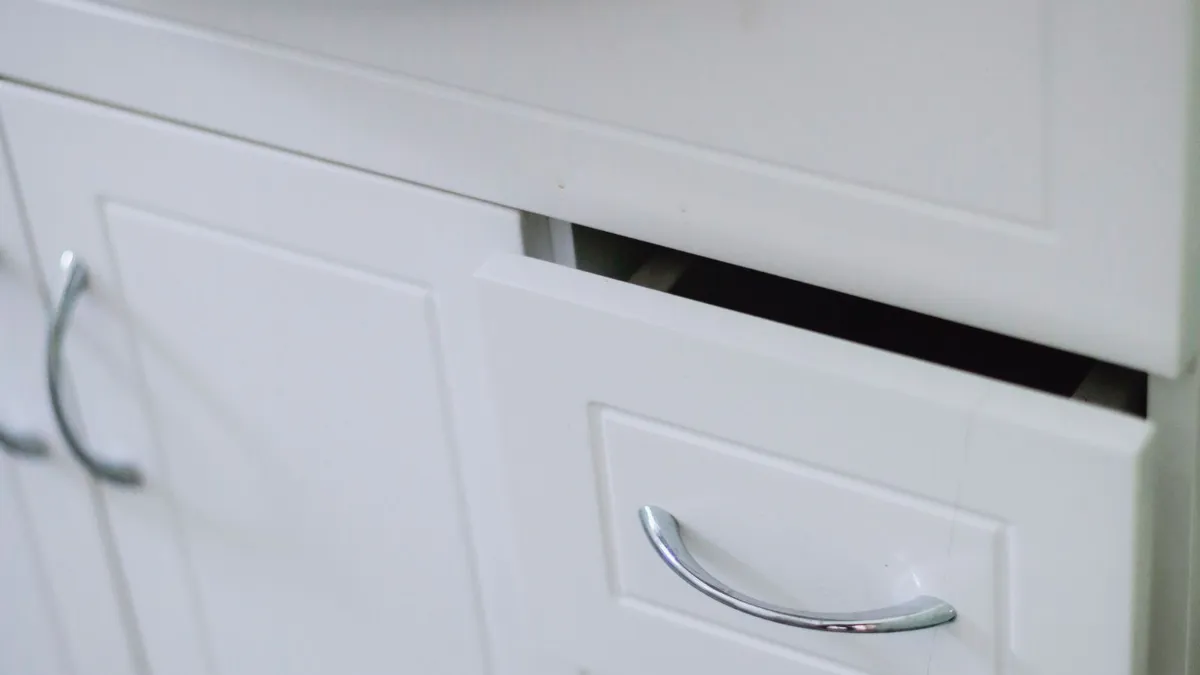
Types of Bathroom Cabinets
Wall-mounted cabinet: hangs on the wall, keeping the floor clear. Wall-mounted cabinets are a popular, sleek choice, but they can be more expensive than other types and may require additional installation costs. Recessed cabinet: fits inside the wall between studs. It’s a stylish and space-saving option because it doesn’t stick out into the room. Surface-mounted medicine cabinet: mounts on the wall and sticks out a few inches. Easier to install than a recessed one. Mirrored cabinet: a medicine cabinet with a mirrored door. For smaller items like cosmetics, skin care or medications, one guide suggests choosing a medicine cabinet with three or four shelves. Tall (linen) cabinet: gives plenty of storage space for towels and supplies, and comes in different depths and widths. A tall unit can match your vanity for a built-in look, or you can choose a standalone piece. Vanity cabinet: the base under the sink. See the bathroom vanities guide. Over-the-toilet cabinet: uses the space above the toilet. See the over the toilet storage guide. Corner cabinet: fits into a corner and makes use of awkward space. Freestanding cabinet: stands on its own on the floor. Easy to move. Under-sink organizer: not a cabinet, but it makes the vanity cabinet more usable.
| Type | Floor space | Best for | Watch out for |
|---|---|---|---|
| Wall-mounted | None | Small bathrooms | Mounting strength |
| Recessed | None | Clean look | Needs space between studs |
| Surface medicine cabinet | None | Easy upgrade | Sticks out |
| Tall linen cabinet | Some | Towels, bulk supplies | Takes wall space |
| Freestanding | Some | Renters | Tipping, needs anchoring |
How to Choose by Storage Need
Think about what you’ll store and how often you’ll reach for it.
Daily items (toothbrush, face wash). Keep in a medicine cabinet or drawer near the sink. Towels. Tall cabinets or open shelves with rolled towels. Cleaning supplies. Under the sink or in a closed cabinet, out of reach of children. Medications. A medicine cabinet, but check the label, since heat and humidity can affect some medications. Many pharmacists suggest a cooler, dry place. Hair tools and makeup. Drawers with dividers. Spare toilet paper and bulk items. A tall cabinet or over-the-toilet unit.
One guide suggests asking whether you need more drawers for makeup and other toiletries, or prefer more cabinet doors for large bathroom items such as cleaning solutions or tools.
Drawers vs Doors
Drawers: easy to see and reach everything. Great for small items. They cost more and need space to open. Doors: good for tall or bulky items. Shelves inside can be adjusted. You have to reach in. Open shelves: quick access and a decorative look, but they show clutter.
A mix often works best: drawers for small items and doors for larger ones.
Materials for a Humid Room
Bathrooms are high-moisture areas, so choosing materials that can handle humidity while looking great is essential. The sources I found didn’t name specific materials, so check the manufacturer’s specs for moisture-resistant panels or sealed finishes.
General ideas: Plywood with a sealed finish. Sturdy and resists moisture better than raw particleboard. Solid wood with a water-resistant finish. Attractive and strong, but can warp if not sealed. MDF with a durable coating. Low cost, but swells if water gets in. Thermofoil. A vinyl layer over MDF. Wipes clean but can peel with heat and moisture. Stainless steel or aluminum. Resists rust in a damp room and suits modern looks. Plastic or PVC. Moisture proof.
Look for sealed edges, rust-resistant hinges and handles, and good ventilation. Run the exhaust fan to protect your cabinets.
Size and Placement
Measure the wall, the door swing and any lights or outlets. Make sure cabinet doors open fully. Check the depth, because a deep cabinet can bump your head or block the way. The sources I found did not give standard depth ranges, so check each product’s measurements.
For a wall cabinet over the toilet, leave room to open the lid. For a cabinet beside the vanity, leave walking space of at least 30 inches in front.
Installation Basics
Wall-mounted: find the studs and use the right hardware. Heavy cabinets need studs or strong anchors. Recessed: requires cutting into the wall between studs. Check for pipes and wires. This is a bigger job. Consider a pro. Freestanding: anchor tall units to the wall to prevent tipping, especially with kids.
If you aren’t sure, hire a licensed contractor or plumber. Water and electrical lines may be hidden in the wall.
Organizing Your Cabinets
Key points: use clear bins to group items; add risers or shelves to use vertical space; put heavy items low; label baskets; keep daily items at eye level; store medications and chemicals out of reach of children; clean out expired products regularly; use over-the-door organizers on cabinet doors.
How to Choose Bathroom Cabinets
List what you need to store. Measure the space. Pick the type. Wall, recessed, tall or freestanding. Choose drawers, doors or both. Pick moisture-resistant materials. Check hinges and hardware. Soft-close is nice. Match the style of your vanity and fixtures. Plan the mounting. Studs and anchors. Set a budget. Include installation. Read reviews for notes on humidity and assembly.
What mistakes should you avoid?
A few common mistakes are worth avoiding: choosing cabinets that can’t handle moisture (they swell and peel); ignoring the door swing (doors hit the wall or each other); overfilling cabinets (hard to find things); skipping the anchor on tall units (they can tip); mounting heavy cabinets into drywall only (they can pull out); storing medication in a steamy bathroom (heat and humidity can affect some medications).
Frequently Asked Questions
What are the best bathroom cabinets for small bathrooms?
Wall-mounted, recessed and over-the-toilet cabinets save floor space.
What material is best for bathroom cabinets?
Sealed plywood, solid wood with a water-resistant finish and moisture-resistant coatings are common choices. Check the manufacturer’s specs.
Should I choose drawers or doors?
Drawers suit small items, doors suit bulky items. A mix often works best.
How do I install a bathroom cabinet?
Find studs, use the right anchors, level the cabinet and secure it. Recessed cabinets are a bigger job.
Is a recessed medicine cabinet worth it?
It saves space and looks clean, but it’s harder to install.
Where should I store medications?
A cool, dry place and not a steamy bathroom. Check the label and ask your pharmacist.
Conclusion
The right bathroom cabinets match your storage needs, your space and the moisture in the room. Wall-mounted, recessed and tall cabinets all have a place, and a mix of drawers and doors keeps things organized.
Choose moisture-resistant materials, mount heavy cabinets securely and anchor tall units. With a good plan, your bathroom stays tidy and everything has a home.
Related guides
 Bathroom Wall Cabinet Guide: Recessed vs Surface-Mount, Depth, Over-Toilet Fit and Mounting HeightQuick answer: a bathroom wall cabinet adds storage on the wall, often with a mirror. Recessed cabinets sit…Read more →
 Bathroom Shelf Guide: Floating, Corner and Over-Toilet Types, Spacing, Weight Capacity and Moisture-Safe MaterialsQuick answer: bathroom shelves add storage on the wall. Common types are floating, recessed, corner, ladder,…Read more →
 Bathroom Organizer Guide: Under-Sink, Drawer, Countertop and Shower Storage IdeasBathrooms collect clutter fast. Half-used bottles, tangled hair tools, spare towels, makeup, cleaning supplies…Read more →
 Bathroom Mats Guide: Cotton vs Microfiber vs Memory Foam, Non-Slip Backing, Sizes and Washing Without DamageQuick answer: a bathroom mat catches drips and gives your feet a soft, safe landing. Cotton is absorbent and…Read more →


3 Comments