
Bathroom Shelves Guide: Types, Materials, Placement and Installation Tips
Bathrooms are small, and they hold a lot: towels, toiletries, cleaning supplies, spare toilet paper, hair tools and the odd decorative plant. When there is no cabinet space left, shelves are the easiest fix. They use wall space instead of floor space, and they can make a bathroom feel more organized and more stylish at the same time.
This article is part of our bathroom storage and mirror guide, where you can compare related options.
But a bathroom is not like a bedroom. Steam, splashes and humidity can ruin the wrong shelf. A heavy shelf mounted on weak drywall can pull out of the wall. And a badly placed shelf can block a door or become a hazard. This guide explains the main types of bathroom shelves, the best materials, where to put them, how to install them safely, how to style and organize them and what mistakes to avoid. I wrote it from general knowledge, so check weight limits and sizes against the product you buy.
Types of Bathroom Shelves
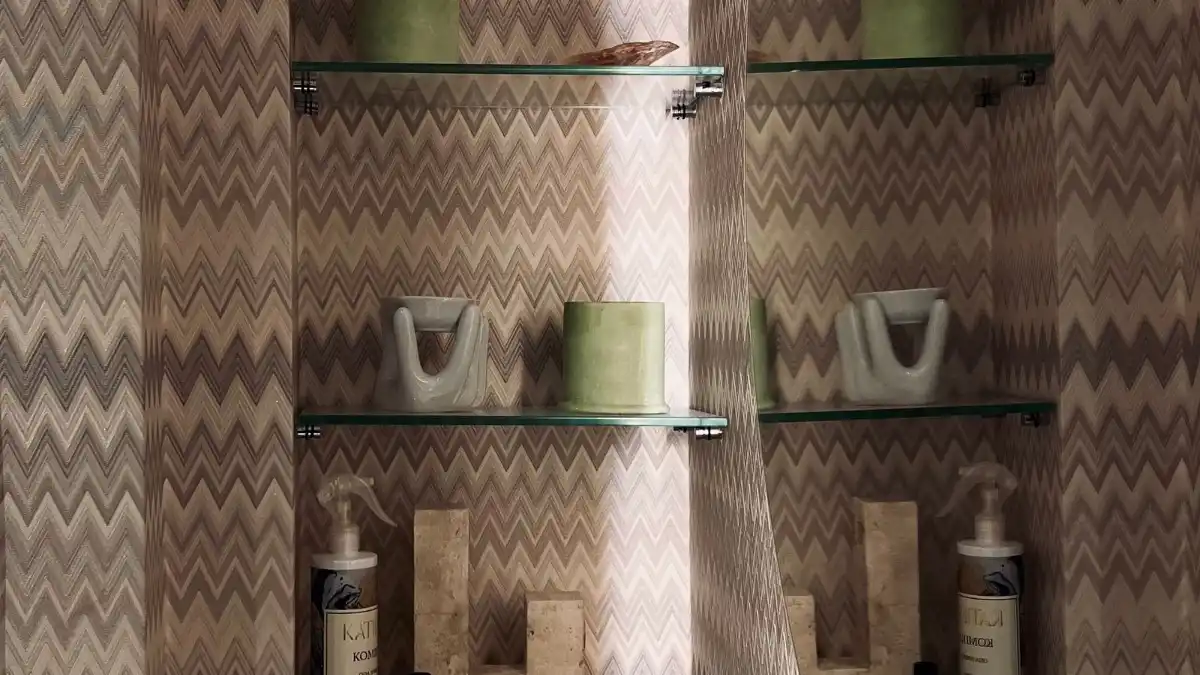
Floating shelves: simple boards fixed to the wall with hidden brackets, so they seem to float. They suit towels, baskets and decor. Easy to match with any style. Over-the-toilet shelves: open racks, ladder shelves or cabinets that stand around the toilet tank, or shelves mounted on the wall above it. They use space that would otherwise go to waste. See the over-the-toilet storage guide. Corner shelves: triangle or tiered shelves that fit into unused corners. Great for small bathrooms. Ladder shelves: a leaning unit with several levels. Good for towels and baskets. Tall ones should be anchored to the wall. Shower shelves and caddies: hang from the shower head, stick to the wall, mount with a tension pole or sit in a corner. See the shower niche guide for built-in options. Recessed shelves: built between wall studs. They save space but need planning before walls are finished. Glass shelves: look light and modern. They show water marks and need careful loading. Wall-mounted cabinets with shelves: a small cabinet that combines closed storage and an open shelf. Freestanding shelving units: stand on the floor. Some are made to fit in narrow gaps between the toilet and vanity.
| Type | Best for | Watch out for |
|---|---|---|
| Floating | Towels, decor | Weight limit, mounting |
| Over-the-toilet | Extra storage | Fit around tank |
| Corner | Small bathrooms | Smaller capacity |
| Ladder | Towels, baskets | Needs anchoring |
| Shower caddy | Bottles | Rust and weight |
| Recessed | Clean look | Needs planning |
Materials That Handle Moisture
Choose materials that cope with steam and splashes.
Stainless steel and aluminum. Resist rust when well made. Choose good quality, since cheap metal can rust. Sealed or treated wood and bamboo. Warm and natural, but need good sealing and some care. Avoid leaving wet items on them. Tempered glass. Easy to wipe, and does not absorb water. Plastic and acrylic. Light and low cost. Quality varies, and some may yellow. Tile, stone or solid surface. Strong and waterproof, mostly used for built-in shelves. Painted MDF. Can swell if water reaches the edges. Avoid in wet zones.
Avoid raw particleboard, which swells when wet. Look for finishes labeled moisture-resistant or suitable for bathrooms.
Where to Put Shelves
Think about how you use the space.
Above the toilet. For towels, baskets and spare rolls. Beside the vanity. For everyday items you reach for often. Near the shower door. For clean towels within arm’s reach. Over the door. For baskets and extra storage. In the shower. For bottles, away from the main spray when possible. On an empty wall. A column of floating shelves. In a corner. A corner shelf for lotions and decor.
Keep a clear walking path, and leave space so doors and drawers can open. Do not mount shelves where you could hit your head. Put heavier items on lower shelves, and keep light items above.
Shelf height matters. Place daily items at about shoulder to eye level. Keep rarely used items higher or lower. Leave enough vertical space between shelves for the tallest item.
How to Install Bathroom Shelves Safely
- Choose the location and mark the height with a pencil and a level.
- Find studs with a stud finder.
- Use screws into studs where you can. Studs hold much more weight than drywall alone.
- If you cannot reach a stud, use wall anchors rated for the load. Toggle bolts or heavy-duty anchors work better than small plastic anchors.
- Check the shelf’s stated weight limit, and stay well under it. Remember that wet towels weigh more than dry ones.
- Level the shelf before final tightening.
- Seal the gap where the shelf meets the wall if water can reach it.
- Test the shelf by pressing down gently.
For tile walls, use a tile or masonry drill bit, drill slowly and use proper anchors. Avoid drilling into the tile near the shower or into a waterproof membrane without guidance. If you are not sure, ask a handyman.
Never hang a heavy item on adhesive hooks meant for light loads. For tall units, use the anti-tip hardware that comes with them. See the arched bookcase guide for how anti-tip hardware works.
Organizing Your Shelves
Use baskets and bins to group items. Rolled towels in a basket look tidy. Put daily items in front. Decant products into matching bottles for a clean look. Keep medicines and cleaners out of reach of children, preferably in a locked cabinet. Label baskets if several people share the space. Use trays under bottles to catch drips. Do not overcrowd. Leave a little space so shelves do not look cluttered.
Styling Tips
Match the finish of your shelves to your fixtures: chrome, black, brass or wood. Add a small plant that likes humidity, such as a fern or pothos (check light). Use a mix of closed and open storage. Fold towels the same way for a spa look. Use a few decorative items, such as candles or a small tray. See the small bathroom ideas and bathroom decor guides.
Cleaning and Maintenance
Key points: wipe shelves regularly with a damp cloth; dry them after cleaning to avoid water spots; check for rust on metal and treat it early; re-seal wood as needed; check screws and brackets now and then; replace shelves that warp or grow mold.
How to Choose Bathroom Shelves
List what you need to store. Measure the wall space. Pick a type that fits the room. Choose a moisture-safe material. Check the weight rating. Plan how you will mount it. Match the finish to your fixtures. Read reviews for notes on rust and wobble.
What mistakes should you avoid?
A few common mistakes are worth avoiding: using indoor-only wood without sealing (it warps); overloading floating shelves (check the rating); mounting into tile without anchors (the shelf can crack the tile and fall); blocking the door or drawer swing; putting glass shelves where kids can bump them; ignoring ventilation (humidity damages shelves and what is on them).
Frequently Asked Questions
What are the best bathroom shelves for a small bathroom?
Floating, corner and over-the-toilet shelves use wall and dead space.
What material is best?
Stainless steel, aluminum, tempered glass and well-sealed wood or bamboo handle moisture best.
Can I install bathroom shelves without drilling?
Light adhesive shelves exist, but heavy loads need screws and anchors.
How high should bathroom shelves be?
Place daily items at about shoulder to eye level, and put heavier items lower.
Do I need a stud for a shelf?
Studs are best for heavy loads. Otherwise use anchors rated for the weight.
How many shelves do I need?
Enough to hold your daily items without clutter. Start with two or three and add more if needed.
Conclusion
Good bathroom shelves add storage without crowding the room. Choose moisture-safe materials, mount them into studs or proper anchors, stay under the weight limit and keep a clear path.
A few well-placed shelves can make a small bathroom feel calm, organized and a bit more stylish.
Related guides
 Bathroom Shelf Guide: Floating, Corner and Over-Toilet Types, Spacing, Weight Capacity and Moisture-Safe MaterialsQuick answer: bathroom shelves add storage on the wall. Common types are floating, recessed, corner, ladder,…Read more →
 Bathroom Organizer Guide: Under-Sink, Drawer, Countertop and Shower Storage IdeasBathrooms collect clutter fast. Half-used bottles, tangled hair tools, spare towels, makeup, cleaning supplies…Read more →
 Bathroom Cabinets: Types, Storage Ideas and How to ChooseBathrooms are small and full of stuff. Towels, toothpaste, medicine, cleaning products, hair tools and spare…Read more →
 Bathroom Mats Guide: Cotton vs Microfiber vs Memory Foam, Non-Slip Backing, Sizes and Washing Without DamageQuick answer: a bathroom mat catches drips and gives your feet a soft, safe landing. Cotton is absorbent and…Read more →

One Comment