
Bathroom Organizer Guide: Under-Sink, Drawer, Countertop and Shower Storage Ideas
Bathrooms collect clutter fast. Half-used bottles, tangled hair tools, spare towels, makeup, cleaning supplies and medicine all compete for a small space. A bathroom organizer is any container, tray, shelf or divider that gives those things a home. The right organizers make the bathroom easier to use, easier to clean and calmer to look at.
This article is part of our bathroom storage and mirror guide, where you can compare related options.
This guide covers organizers for each area of the bathroom: under the sink, drawers, the countertop, the shower and the walls. It also gives tips for small bathrooms, how to declutter first and how to choose organizers that last in a damp room.

Start by Decluttering
Organizers work best when you have less to organize.
- Empty everything out of a drawer or cabinet.
- Throw out expired products, empty bottles and items you never use. Check expiry dates on medicines and cosmetics.
- Group like with like: skincare, hair, dental, first aid, cleaning, towels.
- Decide what you use daily, weekly and rarely.
- Measure the space before you buy organizers.
Keep daily items easy to reach and rarely used items out of the way. A small, honest decluttering session saves you from buying organizers you do not need.
Under-Sink Organizers
The space under the sink is usually deep, awkward and full of pipes. Several fixes.
Pull-out drawers and stackable bins turn the empty space into usable storage. Shelf organizers designed to fit around the plumbing. These organizers can even double the amount of usable storage under your sink. Expandable shelving. One example is a two-tier unit with removable panels that can be configured around pipes. The unit expands from 18 to 30 inches wide. Lazy Susans (turntables) bring items from the back to the front. Stacking baskets hold hair products, bath items and spare supplies. Door-mounted racks for cleaning cloths and small items. Hooks for spray bottles. Clear bins let you see contents at a glance.
Measure the width, depth and height of the space and note pipe positions. Use waterproof or easy-to-wipe organizers in case of leaks, and keep cleaning chemicals away from children, preferably in a locked cabinet.
Drawer Organizers
Adjustable dividers let you give each item type its own compartment. For example, bamboo adjustable drawer organizers can create space for each type of item in a drawer. Clear acrylic dividers work well for makeup. One suggestion is to use clear acrylic drawer dividers to set up homes for lipsticks or eye shadows. Small trays and cups hold hair ties, cotton swabs and tools. Non-slip liners stop items from sliding. Tiered inserts for makeup and nail polish. Cord organizers for hair tools.
Measure the drawer interior and choose organizers that fit snugly. Keep the most-used items at the front.
Countertop Organizers
For frequently used items, countertop organizers such as trays or caddies keep things accessible without clutter.
Key points: trays corral perfume, a soap dispenser and a small plant. See the soap dispenser guide; toothbrush holders and cups. See the toothbrush holder guide; cotton ball and swab jars; makeup organizers with tiers and compartments; hair tool holders that hang on the wall or stand on the counter; small baskets for rolled washcloths.
Keep the counter mostly clear. Limit the number of items on display to a few that you use every day. Use organizers that are easy to wipe.
Shower and Tub Organizers
Shower caddies are commonly recommended for bottles. Hanging one from the shower head keeps toiletries in an easy-to-reach location. Some even have adjustable shelves to accommodate bottles of all shapes and sizes. Corner shelves and tension poles. Suction or adhesive shelves for lighter loads. Hooks for loofahs and razors. Shower niches for built-in storage. See the shower niche guide. Wall dispensers for shampoo and soap. Tub trays for books and candles.
Choose rust-resistant materials such as stainless steel, aluminum or plastic. Rinse and dry organizers to prevent mildew. Do not overload hanging caddies.
Wall and Vertical Storage
Maximising vertical space with wall-mounted shelves, utilising under-sink space and incorporating multi-purpose organisers can help make the most of a small bathroom.
Key points: wall shelves and floating shelves. See the bathroom shelves guide; over-the-toilet storage. Racks and cabinets use space above the tank; over-the-door organizers and hooks. One list suggests using towel hooks instead of racks. See the towel rack guide; mason jar organizers mounted on the side wall for small items; medicine cabinet with mirror; ladder shelves and corner racks; hanging baskets.
Mount heavy items into studs or with proper anchors. Keep medicines high and secure if children are around.
Storage for Towels and Linens
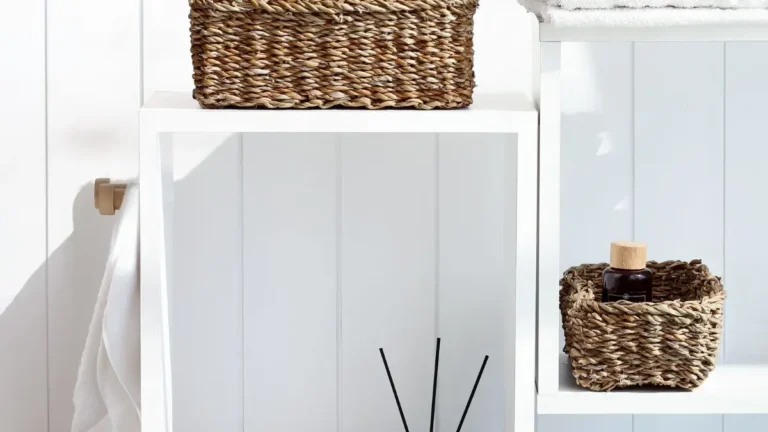
Key points: roll towels and store them in baskets or on open shelves; use hooks for daily towels; keep spare towels in a linen closet or a cabinet; store extra toilet paper in a basket or a slim holder; use a hamper that fits the space; use bins labeled by person in a shared bathroom.
Tips for Small Bathrooms
Key points: use vertical space; choose multi-purpose pieces, like a mirror cabinet; use clear containers so you can see inside; use matching containers to look neater; keep the counter nearly clear; rotate seasonal items to other storage; limit the number of products you keep; use the back of the door; keep one in, one out.
See the small bathroom ideas and modern bathroom ideas guides.
Materials for Damp Rooms
Key points: plastic and acrylic. Waterproof and easy to clean; stainless steel and aluminum. Resist rust if good quality; bamboo. Looks natural but needs sealing and drying; ceramic. Heavy and easy to wipe; fabric baskets. Can mildew in damp bathrooms. Use them in dry zones; wire baskets. Check for rust.
Avoid untreated wood and cardboard in wet areas.
Cleaning and Maintenance
Key points: wipe organizers regularly; empty and clean trays and caddies; check for mold and mildew; replace rusty parts; re-sort the storage every few months; dry wet items before putting them back.
How to Choose Bathroom Organizers
Declutter first. Measure each space. Identify what you need to store. Choose organizers for each zone: under sink, drawers, counter, shower, wall. Pick moisture-safe materials. Match style and finish. Check weight limits for hanging and wall organizers. Choose easy-to-clean designs. Buy a few first, test them and add more.
What mistakes should you avoid?
A few common mistakes are worth avoiding: buying organizers before decluttering; not measuring; choosing materials that rust or mildew; overloading hanging caddies; leaving cleaning chemicals within reach of kids; crowding the counter.
Frequently Asked Questions
What is the best way to organize under a bathroom sink?
Use pull-out drawers, expandable shelves that fit around pipes and stackable bins.
How do I organize bathroom drawers?
Use adjustable dividers and small trays, and keep daily items at the front.
What organizers work in the shower?
Caddies, corner shelves and niches. Choose rust-resistant materials.
How can I organize a small bathroom?
Use vertical storage, clear containers and multi-purpose pieces.
What materials are best for bathroom organizers?
Plastic, acrylic, stainless steel and aluminum handle moisture well.
How do I keep the counter tidy?
Limit items to daily essentials and use a tray.
Conclusion
A good bathroom organizer plan starts with decluttering, then gives every group of items a clear home: under the sink, in drawers, on the counter, in the shower and on the walls. Measure your spaces, choose moisture-safe materials and keep daily items within reach.
With a few well-chosen organizers, even a small bathroom can feel tidy and easy to use.
Related guides
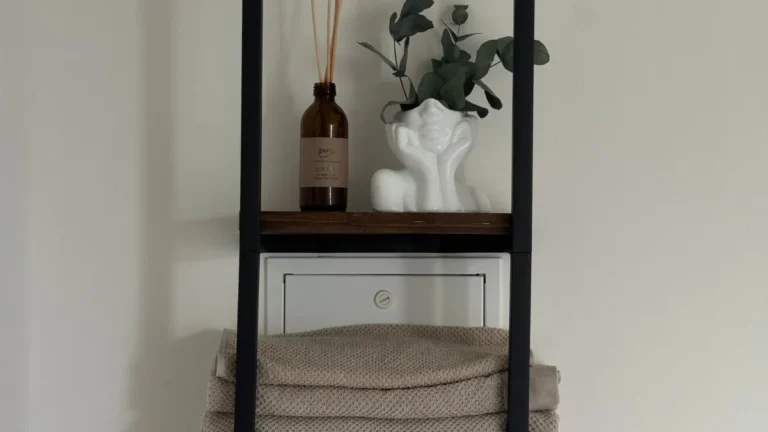 Bathroom Shelf Guide: Floating, Corner and Over-Toilet Types, Spacing, Weight Capacity and Moisture-Safe MaterialsQuick answer: bathroom shelves add storage on the wall. Common types are floating, recessed, corner, ladder,…Read more →
 Bathroom Shelves Guide: Types, Materials, Placement and Installation TipsBathrooms are small, and they hold a lot: towels, toiletries, cleaning supplies, spare toilet paper, hair tools…Read more →
 Bathroom Cabinets: Types, Storage Ideas and How to ChooseBathrooms are small and full of stuff. Towels, toothpaste, medicine, cleaning products, hair tools and spare…Read more →
 Bathroom Mats Guide: Cotton vs Microfiber vs Memory Foam, Non-Slip Backing, Sizes and Washing Without DamageQuick answer: a bathroom mat catches drips and gives your feet a soft, safe landing. Cotton is absorbent and…Read more →


3 Comments