
Best Shower Heads: Flow Rate, WaterSense, Rain vs Handheld and How to Choose
A shower head is one of the cheapest upgrades in a bathroom, and one of the most noticeable. A good one gives a pleasant spray, rinses shampoo out quickly and uses a sensible amount of water. A bad one drips, clogs, sprays sideways or feels like a weak mist. The good news is that most shower heads screw onto the existing arm, so you can swap one in a few minutes without a plumber.
This article is part of our shower guide, where you can compare related options.
The best shower head is the one that fits your water pressure, your taste in spray and your water-saving goals. This guide explains flow rate and WaterSense, compares the main types, shows what to check before you buy and covers installation and cleaning. It does not rank brands.
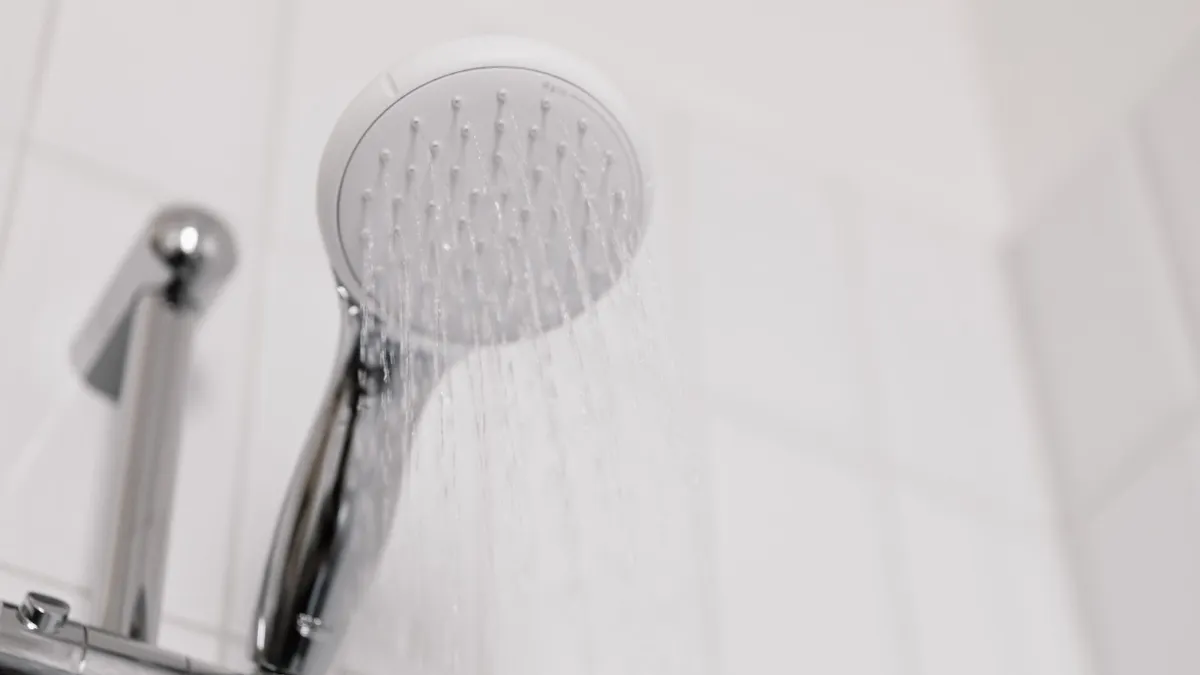
Flow Rate: What GPM Means
GPM stands for gallons per minute. It tells you how much water the shower head lets through. The federal maximum in the United States is 2.5 GPM at 80 psi, and some states set stricter limits. California, for example, has lower caps. Check your state or local rules if you are buying for a new build or remodel.
WaterSense is a label from the EPA for water-efficient products. WaterSense shower heads use less water than the federal maximum. Sources I found said the cap is 2.0 GPM. One source put it at 2.5 GPM, which looks like an error. Before you rely on a number, check the EPA’s current WaterSense listing.
Rough tiers from the sources: 2.0 to 2.5 GPM. Standard flow. More pressure, more water used. 1.8 GPM or less. A good target if you want to save water. Higher than 2.5 GPM. Often sold as “high flow,” but these may not meet federal rules for homes.
Spray feel depends on more than GPM. A well-designed 1.8 GPM head can feel strong, and a poorly designed 2.5 GPM head can feel weak. Good designs mix air with water, use small nozzles to increase velocity or have a pressure-boosting chamber.
Types of Shower Heads
Fixed shower head: attached to the wall with a steady stream. Simple, reliable and the most common. Many have several spray settings, such as rain, massage and mist. Rain shower head: a large, flat head, often mounted directly overhead. It makes a gentle, soft spray that feels like rainfall. Rain heads use low-flow patterns, and the experience depends on the size and design of the head, not only the GPM. Wayfair’s guide notes that the light pressure of a rain head suits people who like a relaxing shower, but not those who want a strong rinse. Handheld shower head: connects to the wall mount with a hose. You can aim it at your body, rinse the shower walls, wash kids or pets and help people who need to shower seated. See the shower bench and shower chair guides. Dual shower head: combines a fixed head and a handheld head on one mount. Some let you run both at the same time. Good if different people in the household want different spray styles. Filtered shower head: contains a filter cartridge that tries to reduce chlorine or other things in the water. Claims vary, and filters need replacement. Check what the filter is rated to remove. Low-flow or water-saving head: designed to use less water. WaterSense-labeled heads belong here. Massage or pulsating head: has settings that change the force and rhythm.
| Type | Spray feel | Best for |
|---|---|---|
| Fixed | Steady | Simple everyday showers |
| Rain | Soft, wide | Relaxing |
| Handheld | Flexible | Cleaning, kids, pets, seated showers |
| Dual | Both | Households with different needs |
| Filtered | Varies | People who want filtered water |
Water Pressure and Fit
Shower heads cannot create water pressure, but they can shape how it feels. If your home has low pressure, look for heads described as designed for low pressure, and avoid very large rain heads with a wide nozzle plate. If your home has high pressure, a low-flow head will still feel strong.
Check the connection. Most heads fit a standard half-inch threaded shower arm. Rain heads often come with their own extension arm for ceiling mounting. If your shower arm is unusual or you want a ceiling mount, you may need a plumber.
Check the height too. A fixed head should be high enough for the tallest person to stand under it comfortably.
Features to Look For
Adjustable spray settings. Easy to switch with a lever or dial. Rubber nozzles. Soft rubber tips resist mineral build-up. You can rub them with your finger to clear deposits. Easy-clean design. Look for removable face plates or self-cleaning nozzles. Swivel or tilt. Lets you adjust the angle of the spray. Pause or trickle switch. Stops the flow while you lather without changing the temperature. Finish. Chrome, brushed nickel, matte black and brass finishes are common. Choose a finish that matches your faucet and other fixtures. See the towel rack and shower curtain rod guides. Build quality. Brass or stainless steel parts last longer than thin plastic. Hose length (for handhelds). A longer hose is easier to use.
How to Install a Shower Head
- Unscrew the old head by turning counterclockwise. Use a cloth over the nut and an adjustable wrench if it is stuck.
- Clean the threads on the shower arm.
- Wrap plumber’s tape around the threads, two or three times in the direction the head will screw on.
- Screw on the new head by hand until snug. Do not over-tighten, which can crack plastic parts.
- Turn on the water and check for leaks.
- Tighten slightly if there is a drip.
- Run the water for a minute to clear any debris.
For handheld or dual heads, follow the manufacturer’s steps for the diverter and the wall mount.
Cleaning and Care
Hard water leaves mineral scale that clogs nozzles. To clean:
- Fill a plastic bag with white vinegar and water.
- Tie the bag around the head so the nozzles soak.
- Leave it for 30 minutes to a few hours, depending on the build-up and the finish.
- Remove the bag, run the water and wipe the nozzles with a soft brush.
Check the manufacturer’s directions first, because vinegar can damage some finishes, such as brass or oil-rubbed bronze. Clean the head every few months. Replace filters on schedule.
Water Saving Tips
Key points: choose a WaterSense or low-flow head; use a pause switch while you lather; take shorter showers; fix leaks and drips; install a thermostatic valve if you can, so you get hot water faster and waste less.
How to Choose a Shower Head
Check your local flow limits. Decide on a type: fixed, rain, handheld or dual. Think about your water pressure. Check the fit with your shower arm. Pick useful features: spray settings, rubber nozzles, pause switch. Choose a finish that matches your fixtures. Check the build quality. Read reviews for notes on spray feel, leaks and clogging. Verify GPM on the spec sheet and the WaterSense listing.
What mistakes should you avoid?
A few common mistakes are worth avoiding: assuming higher GPM is better (design matters as much as flow); ignoring local flow limits; skipping plumber’s tape (leaks are common); buying a large rain head for low pressure; never cleaning the nozzles (scale builds up); using vinegar on a finish that cannot handle it.
Frequently Asked Questions
What is the maximum GPM for a shower head?
The federal maximum is 2.5 GPM at 80 psi. Some states are stricter.
What is WaterSense?
An EPA label for water-efficient products. WaterSense shower heads use less water than the federal maximum. Sources said 2.0 GPM, but verify with the EPA.
Are rain shower heads good?
They give a gentle, wide spray that feels relaxing. They may feel weak if you want a strong rinse.
Is a handheld shower head worth it?
Yes, for rinsing the shower, washing kids or pets and for people who sit to shower.
Do low-flow heads feel weak?
Not always. Good design can make a low-flow head feel strong.
How do I clean a shower head?
Soak it in vinegar and water if the finish allows, then brush the nozzles.
Can I install a shower head myself?
Usually yes. Use plumber’s tape and hand-tighten.
Conclusion
The best shower head fits your water pressure, your water-saving goals and the way you like to shower. Check the flow rate and WaterSense label, choose a type that suits your household and look for easy-clean nozzles.
Install it with plumber’s tape, clean it every few months and enjoy a better shower for very little money.
Related guides
 Shower Head: Types, Flow Rate and How to Choose the Right OneA shower head changes how your morning starts. A good one gives you a steady spray, warm water and strong…Read more →
 Handheld Shower Head Guide: Slide Bar Kits, Hose Length (60 to 72 Inches), Flow Rate GPM and Spray SettingsQuick answer: a handheld shower head is a detachable spray on a hose, often on a slide bar so you can also use…Read more →
 Tandem Shower Head Guide: Dual Shower Heads, Flow Rate, Water Pressure, Hot Water and InstallationQuick answer: a tandem or dual shower head setup puts two shower heads in one shower. Federal rules cap a…Read more →
 How to Fix a Leaking Shower Head: Causes and Step-by-Step RepairsA dripping shower head wastes water, stains the tub and keeps you awake at night. The good news is that most…Read more →




2 Comments