
Handheld Shower Head Guide: Slide Bar Kits, Hose Length (60 to 72 Inches), Flow Rate GPM and Spray Settings
Quick answer: a handheld shower head is a detachable spray on a hose, often on a slide bar so you can also use it as a fixed head. Combo kits commonly run about 1.5 to 2.5 GPM, hoses of 60 to 72 inches work well for most people, handhelds usually offer three to five spray modes and nozzle quality matters more than the number of settings. Slide bars typically need drilling.
This article is part of our shower guide, where you can compare related options.
A handheld shower head makes rinsing easier: washing hair, bathing kids and pets, cleaning the tub, sitting on a shower seat. It is also a helpful accessibility feature. But choices abound: slide bar kits, wall-mount holders, diverters, flow rates and spray modes. This guide explains types, hose length, flow rate, spray settings, installation and how to choose. The search found product listings and buying guides but no head-to-head test of handheld versus fixed heads. Flow rates are listing figures. Check local rules on water flow.

Types of Handheld Shower Heads
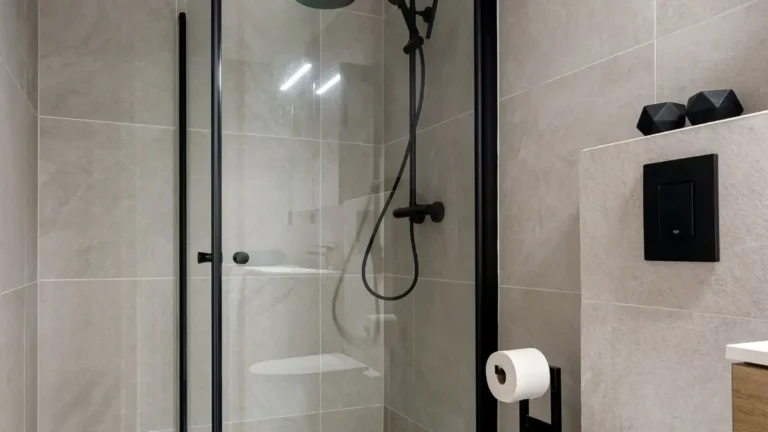
Handheld on a slide bar. The head slides up and down a vertical bar, so you can use it at any height or as a fixed head. Nassau and Signature Hardware sell slide bar systems. Handheld with a wall-mount bracket. A simple holder. No height adjustment. Combo kit with a fixed head and a handheld. A diverter switches between the two. A Westbrass diverter kit maintains a 1.8 GPM flow rate when switching between the fixed and hand shower. Handheld-only replacement. Replaces an existing head. Shower hose attachments. Add a handheld to a faucet. RV and small-space handhelds.
See the tandem shower head guide for dual-head setups and the camp shower guide for portable options.
Flow Rate
Combo kits commonly fall between about 1.5 and 2.5 GPM.
One listing puts the handheld at 2.4 GPM. A Delta handheld is rated at 1.5 GPM. A Nassau slide bar system is listed at 2.5 GPM. A Westbrass diverter kit shares 1.8 GPM across both heads. Another listing shows a 3-spray 1.5 GPM matte black slide bar kit.
A combo kit can share one flow rate across both heads. Check the GPM rating against local flow limits, since some areas require restrictors. Federal rules cap a single showerhead at 2.5 GPM (see the tandem shower head guide). Lower flow saves water but may feel weaker.
Hose Length
Typical hoses run about 60 to 72 inches. One guide notes that hoses between 60 and 72 inches work well for the average user. Shorter hoses limit reach, since an insufficient hose length restricts movement. Longer hoses help for bathing kids or cleaning, but can tangle. Consider your shower size, whether you will sit and whether you want to reach the tub corners. Check that the hose is kink-resistant.
Spray Settings
Handhelds usually offer three to five modes, such as full spray, massage, mist and rain. Some kits give the fixed head the same modes. One kit offers the same 5-function spray settings as the fixed shower head. Spray count matters less than nozzle quality, since nozzles that are injection-molded plastic with tiny holes that clog easily lose function quickly. Look for: rubber or silicone nozzles that you can wipe clean; easy mode switching; a comfortable handle grip.
Slide Bar vs Fixed Mount
A slide bar adds height adjustment, which a fixed head lacks. This helps tall and short users and people on a shower seat. See the shower seat guide. Installation: A slide bar typically needs drilling, though some models avoid it. The wall bar requires wall drilling unless your existing setup has a compatible bracket. One option mounts with either suction cup or 3M-style mounting pad, eliminating the need for drilling. Check weight limits and bathroom wall surfaces. Mount into tile with the correct bit and seal holes.
This Old House explains how to install a handheld shower head, and Faucetfam covers the best height for a shower head.
Installation Overview
For a simple handheld replacement:
- Turn off the water (if needed).
- Unscrew the old head from the arm.
- Wrap plumber’s tape on the threads.
- Screw on the new diverter or head.
- Attach the hose and handheld.
- Mount the holder or slide bar.
- Test for leaks.
For a slide bar, mark the holes, drill pilot holes, install anchors and attach the bar. If you are unsure, hire a plumber.
Accessibility and Family Use
A handheld head helps: people who bathe seated; washing children and pets; rinsing hard-to-reach areas; cleaning the shower itself. See the shower squeegee guide.
Pair with a shower seat and grab bars. Ask an occupational therapist about needs.
Care
Key points: clean nozzles to prevent mineral buildup. Soak in vinegar if the maker allows; check the hose for kinks and cracks; replace washers if leaks occur; wipe the holder.
Hard water causes buildup, so regular cleaning keeps spray strong.
What are the main strengths and weaknesses?
On the plus side: flexible bathing; good for kids, pets and cleaning; helps accessibility; many prices. On the downside: slide bars need drilling; hoses can tangle; low flow may feel weak; cheap nozzles clog.
How to Choose a Handheld Shower Head
Decide the use: family, accessibility or cleaning. Choose slide bar vs bracket. Choose hose length: 60 to 72 inches. Check GPM and local limits. Check spray modes and nozzle quality. Check installation: drilling or adhesive. Check finish to match your fixtures. See the bathroom accessories guide. Read reviews for leaks and clogging. Check the warranty.
What mistakes should you avoid?
A few common mistakes are worth avoiding: choosing too short a hose; ignoring flow limits; focusing on spray count; mounting without anchors; forgetting plumber’s tape; not cleaning nozzles.
Frequently Asked Questions
How long should the hose be?
60 to 72 inches works well for most people.
How many GPM do handhelds use?
Listings show about 1.5 to 2.5 GPM.
Do I need a slide bar?
It adds height adjustment but typically needs drilling.
How many spray settings do I need?
Three to five is common. Nozzle quality matters more.
Can I install one without drilling?
Some mount with a suction cup or adhesive pad.
Will a handheld reduce water pressure?
Flow depends on the head and your plumbing. Combo kits may share one flow rate.
Conclusion
A handheld shower head adds flexibility and comfort to any shower. Choose a hose of 60 to 72 inches, check the GPM, pick a slide bar if you want height adjustment and look for quality nozzles.
Install carefully and clean regularly. A good handheld makes daily showers easier for everyone.
Related guides
 Best Shower Heads: Flow Rate, WaterSense, Rain vs Handheld and How to ChooseA shower head is one of the cheapest upgrades in a bathroom, and one of the most noticeable. A good one gives a…Read more →
 Shower Head: Types, Flow Rate and How to Choose the Right OneA shower head changes how your morning starts. A good one gives you a steady spray, warm water and strong…Read more →
 Tandem Shower Head Guide: Dual Shower Heads, Flow Rate, Water Pressure, Hot Water and InstallationQuick answer: a tandem or dual shower head setup puts two shower heads in one shower. Federal rules cap a…Read more →
 How to Fix a Leaking Shower Head: Causes and Step-by-Step RepairsA dripping shower head wastes water, stains the tub and keeps you awake at night. The good news is that most…Read more →



3 Comments