Shower Drain Cover: Types, Sizes, Materials and How to Clean One
A shower drain cover, often sold as a hair catcher, sits over the drain and traps hair before it reaches your pipes. To pick the right one, measure your drain, choose between stainless steel and silicone and check what kind of stopper you have. Then clean it after every shower. A cover that’s too big won’t fit, and one that’s too small may let debris slip past.
This article is part of our shower guide, where you can compare related options.
Slow shower drains usually come from hair, soap and grime that build up over weeks. A drain cover gives you one place to catch most of it and throw it away. It’s a cheap fix, but a poor fit can slide around, rust or collect slime.
Most homes use one of three styles: a flat plate, a basket or a silicone dome. This guide explains each style, how to size one, which materials last and how to keep it clean. The information comes from plumber blogs, review sites and product guides. None of the sources tested whether a catcher cuts down on clogs, so I won’t promise that.
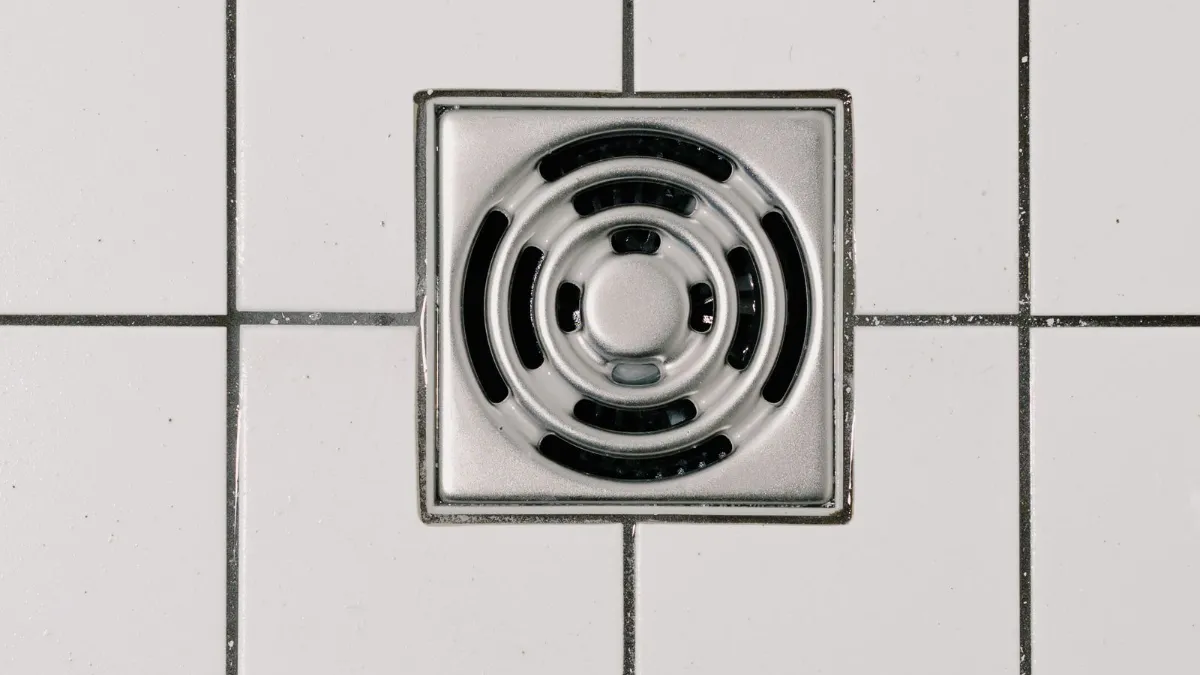
What does a shower drain cover do?
It blocks hair and larger debris while letting water through. Mr. Rooter, a plumbing company, has a page asking whether drain hair catchers really work, which tells you the question comes up a lot. A cover can’t stop everything. What it does is give you a spot to pull hair out by hand instead of fishing it from the pipe later.
What types of shower drain covers are there?
The main types are flat covers, baskets, silicone domes and stoppers with built-in baskets. A flat stainless steel cover sits on top of the drain, and one guide says its edges sit flush with the shower floor so hair can’t slip around the sides. A basket-style catcher sits inside the drain opening and holds more hair in a small cup. Silicone domes are flexible and easy to rinse, and some use suction, which needs a flat, smooth surface.
If your tub has a pop-up drain, you may need a replacement stopper. InspectAndTest lists common stopper types, including toe-touch, lift-and-turn, push-pull and trip-lever, and it notes that some come with a built-in hair basket. Check which kind you own before you order.
How do I measure for a shower drain cover?
Measure the drain opening across its widest point. Retail guides agree on this step: a catcher that’s too large won’t fit, and one that’s too small may miss debris. Many products are sold at about 2.8 inches across, and some packs include several sizes or adjustable rubber rings. That figure comes from product listings, so it isn’t a standard.
Remove the old cover first and look at the drain itself. Is it round, square or a long linear drain? Is the surface flat, sloped or raised? Suction covers only work on flat, unobstructed surfaces, and linear drains need a style made for them. Our shower pan sizes guide covers different shower base layouts.
Which material is best: stainless steel or silicone?
Stainless steel is the better pick if you want a flat, long-lasting cover, and silicone wins on easy cleaning. Stainless steel resists rust and doesn’t feel rough underfoot. Silicone is flexible and gentle on bare feet, but cheap versions can stain or curl at the edges. Plastic covers cost the least and can crack or fade.
One guide recommends materials that resist corrosion and damage from soaps and shampoos. Whatever you choose, read the product page for the exact material, since some metal-looking covers are only plated.
How do I clean a shower drain cover?
Lift it out and remove the hair after each shower. That’s the habit one guide recommends to limit buildup. Rinse it with warm water, wipe away soap film and wash it with mild soap now and then. Let it dry so mildew doesn’t grow.
Use a paper towel or gloves if you don’t like touching wet hair, and put the hair in the trash rather than down the toilet. If a cover gets cracked or worn, replace it. A worn cover leaves gaps, and hair slips through.
What else keeps a shower drain clear?
Brushing your hair before you shower keeps loose strands out of the drain. A plastic drain snake can clear small clogs, and hot water flushes light buildup. Avoid heavy chemical drain cleaners unless a plumber says they’re safe for your pipes. If clogs keep coming back, call a plumber, because the problem may be deeper in the line.
A squeegee cuts down on soap scum on the walls, and a non-slip mat makes the floor safer. See our shower squeegee and bathroom mats guides for both.
How do I know if a cover fits properly?
A good fit sits flat and stays put when you step near it. If the cover slides, tilts or leaves a gap at the edge, hair can slip past and wrap around the drain. Retail guides say the size has to match the opening, and some packs include adjustable rubber rings to help with that. Press on each edge after you place it. Run the shower for a minute and watch where the water goes. If it pools or spills over the rim, the cover is probably too large or the holes are too small for your water flow.
Suction models add one more test. They only grip on a flat surface with nothing raised around the drain, so tap the cover and see if it lifts. If your drain has a raised lip or a rough finish, a basket or a flat plate that rests in the opening is a safer choice. Check reviews from people with the same drain shape, since a catcher that works on a round drain may not suit a square one.
Should I replace a pop-up stopper or add a catcher?
If you have a bathtub with a pop-up stopper, the simplest fix is often to change the stopper itself. InspectAndTest lists toe-touch, lift-and-turn, push-pull and trip-lever styles, and it says some versions come with a built-in hair basket. That keeps the drain neat and avoids placing a separate cover on top of the stopper. Look at your current stopper before you shop, because the thread size and the way it connects to the drain differ.
A plumber can help if the stopper is stuck or the drain is damaged. For a simple walk-in shower, a flat cover or a basket usually does the job without any tools. Whichever route you choose, plan to empty the catcher often. A full catcher slows the water and can start to smell, which defeats the point of having one.
Frequently Asked Questions
What is a shower drain cover?
It’s a cover or catcher that sits over the drain and traps hair and debris.
What size shower drain cover do I need?
Measure your drain opening. Many products are about 2.8 inches across, but drains vary.
Is silicone or stainless steel better?
Stainless steel sits flat and resists rust. Silicone is flexible and easy to rinse.
How often should I clean it?
After each shower, according to one guide.
Will it work on a pop-up drain?
Only if it matches your stopper type. Check the style before you buy.
Conclusion
A shower drain cover is one of the cheapest ways to protect your pipes. Measure the drain, pick a material you like and choose a style that matches your stopper.
Clean it after every shower so hair never builds up. If clogs keep returning, a plumber can find the real cause.
Related guides
 Roll-In Shower: Size, Threshold, Slope and What Accessibility Rules Usually RequireA roll-in shower is a shower with no curb, so a person using a wheelchair can roll straight in. Vendors…Read more →
 Shower Shelf: Tension Pole, Adhesive and Built-In Types, Weight and RustThere are three main types of shower shelf: tension-pole caddies, adhesive-mounted shelves and glued-in or…Read more →
 Camp Shower Guide: Solar Shower Bags, 5-Gallon Capacity, Heating Time, Water Temperature Safety and SetupQuick answer: a camp shower is a portable shower for camping, RV trips and beach days. The most common type is…Read more →
 Shower Squeegee Guide: How to Use It Daily, Prevent Mold and Hard Water Spots, Blade and Handle TipsQuick answer: a shower squeegee removes water from glass, tile and fixtures right after you shower, before it…Read more →