
Black Mold in Shower: Causes, Safe Cleaning, Prevention and When to Call a Pro
Black mold in a shower grows where moisture sits, usually from poor ventilation, steam and damp grout or caulk. Surface mold is often removed by scrubbing and drying, then prevented by running the exhaust fan, wiping surfaces and keeping humidity down. Call a professional if the growth is large, keeps returning or the wall feels soft. Ask a doctor about any health symptoms.
This article is part of our bathroom cleaning and mold prevention guide, where you can compare related options.
Dark spots on grout or caulk are a common sight in bathrooms, and they worry people for good reason. The color alone doesn’t tell you how risky the mold is. What matters is why it’s growing, how much there is and how you remove it.
This guide explains causes, health points, cleaning approaches, prevention and the signs that call for help. The search returned mostly cleaning and restoration sites, and no pages from the EPA or CDC, so I can’t confirm what those agencies say. This is not medical advice. Ask a doctor about symptoms, and never mix cleaning chemicals.
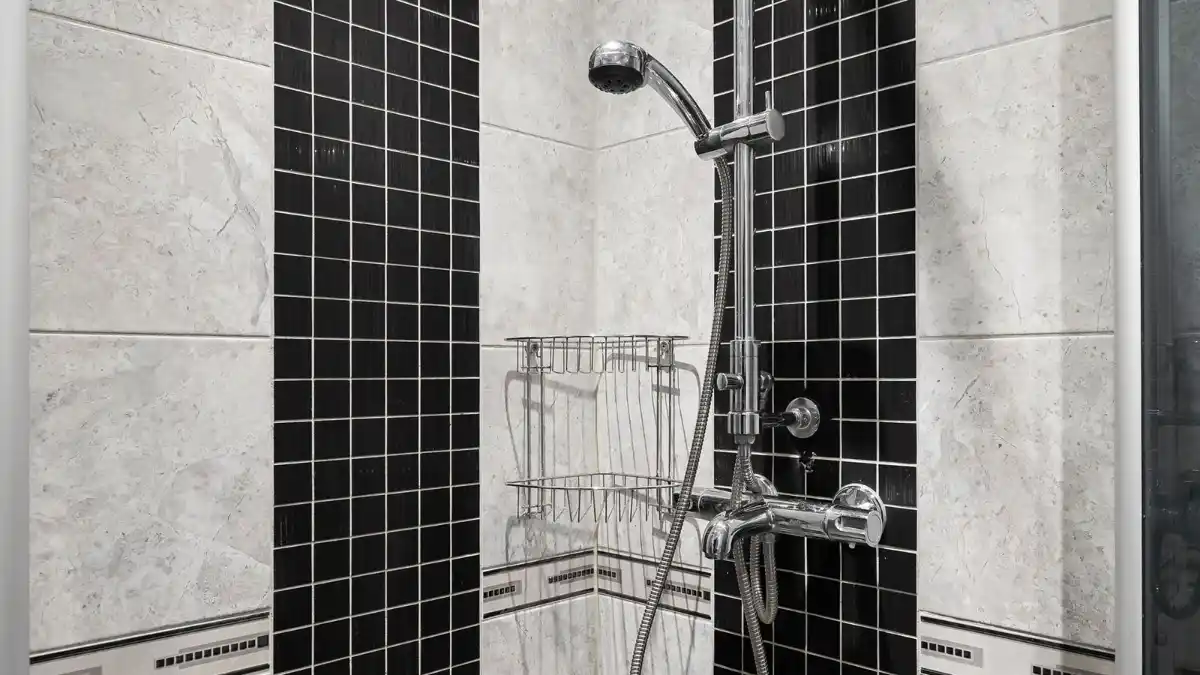
What causes black mold in a shower?
Moisture and weak ventilation are the main causes. One source lists a weak exhaust fan, steam buildup after hot showers and condensation on tile and grout as common culprits. Grout and caulk are porous, so they hold water and give mold a place to grow. InspectAndTest publishes guides on black mold in showers and in shower caulk. Wet mats and towels left in the shower make it worse. Our bathroom mats and shower shelf guides explain keeping items dry.
Is black mold in the shower dangerous?
One says prolonged exposure to black mold can lead to respiratory problems, skin conditions and other health issues. Another says shower mold rarely reaches dangerous levels. A summary attributed to the CDC says color doesn’t indicate hazard and that mold exposure can trigger allergic and respiratory reactions in sensitive people. The mainstream picture is that allergy and respiratory symptoms are the main concern, especially for sensitive people. If you or a family member have symptoms, ask a doctor.
How do I clean black mold in the shower?
Physical scrubbing and drying are the core. One guide says the EPA notes you don’t need to chemically kill mold to remove it, and that scrubbing plus drying does the work. The same guide says bleach performs poorly on porous materials like grout and caulk, where its water can feed regrowth.
A careful approach:
- Open a window and run the fan.
- Wear gloves and a mask.
- Scrub the area with a stiff brush and a cleaner that the label says is safe for the surface.
- Rinse and dry thoroughly.
- Never mix bleach with ammonia or other cleaners, because the fumes are dangerous.
- Replace badly stained caulk.
When in doubt, check the cleaner’s label and ask a professional.
How do I prevent it?
The consistent advice is to dry surfaces quickly. Run the exhaust fan during and for 20 to 30 minutes after showers, and keep the door or curtain open. One guide suggests keeping bathroom humidity below about 50 percent, the level it says the EPA recommends, though I couldn’t verify this. Wipe walls and glass with a squeegee, as our shower squeegee guide explains. Keep the drain clear with a cover, as our shower drain cover guide shows. Re-caulk gaps and fix leaks fast.
When should I call a professional?
One source suggests professional remediation if the mold covers more than about 10 square feet or keeps returning after cleaning. Another notes that soft or spongy areas in the shower wall, loose tiles and musty smells that persist after cleaning all point to a deeper problem inside the wall. Those signs suggest moisture behind the surface, which needs a plumber or contractor.
What about black mold behind tiles or in caulk?
Caulk is easy to replace, so remove the old bead, dry the joint and apply new silicone caulk that’s labeled mildew-resistant. Mold behind tile is harder to see. If tiles are loose or the wall is soft, don’t just scrub. Get an inspection.
What products and habits help every day?
A squeegee after each shower removes water from walls and glass, which cuts down moisture. Open the shower curtain or door so it dries. Hang towels to dry, and wash bath mats regularly, as our bathroom mats guide explains. Keep shelves clear and dry, as our shower shelf guide notes. Fix drips and leaks early, since constant moisture feeds mold.
Check the exhaust fan too. If the fan is weak or noisy, it may not clear steam well. A new fan or a longer run time can help. If the bathroom has no fan or window, ask a professional about ventilation.
Does the color of mold tell me if it’s dangerous?
No. A summary attributed to the CDC says color doesn’t indicate hazard, though I couldn’t verify it on the CDC page. “Black mold” is a common label, but many molds look dark. You can’t judge the risk by looking. What matters is the amount, the cause and who is exposed. If you’re worried, ask a doctor about symptoms and a mold professional about testing and removal.
Can I prevent mold in a rental or a shower without a window?
Yes, with good habits. Run the fan longer, wipe wet surfaces and leave the curtain open to dry. A small moisture absorber or a dehumidifier can help in a very damp bathroom. Report a weak fan or a leak to the landlord in writing, since they usually have to fix ventilation and plumbing problems. Keep a record of when mold first appeared and what you did. If mold keeps returning after cleaning, tell the landlord, because the cause may be hidden.
Frequently Asked Questions
What causes black mold in a shower?
Moisture, poor ventilation, steam and damp grout or caulk.
Is black mold in the shower dangerous?
Allergy and respiratory symptoms are the main concern for sensitive people. Ask a doctor about symptoms.
Does bleach kill shower mold?
Sources conflict. One says it performs poorly on porous grout and caulk.
How long should I run the fan?
One guide says 20 to 30 minutes after showering.
When should I call a pro?
For large growth, recurring mold or a soft wall.
Conclusion
Black mold in a shower grows where moisture lingers. Scrub and dry surfaces, ventilate after every shower and fix leaks and failing caulk. For large, recurring or hidden growth, call a professional.
Because I couldn’t verify EPA or CDC guidance from the search, check their pages directly and ask a doctor about symptoms. A dry, well-ventilated shower is the best defense.
Related guides
 Pink Mold in Shower: It’s Usually Bacteria, Not Mold. Causes, Safe Cleaning and PreventionThe pink slime in your shower is usually not mold at all. It is most often a bacterium called Serratia…Read more →
 Shower Squeegee Guide: How to Use It Daily, Prevent Mold and Hard Water Spots, Blade and Handle TipsQuick answer: a shower squeegee removes water from glass, tile and fixtures right after you shower, before it…Read more →
 Eucalyptus in the Shower: How to Hang It, How Long It Lasts, Benefits and SafetyQuick answer: tie a bundle of fresh eucalyptus stems together and hang it from the shower head or a hook where…Read more →
 Roll-In Shower: Size, Threshold, Slope and What Accessibility Rules Usually RequireA roll-in shower is a shower with no curb, so a person using a wheelchair can roll straight in. Vendors…Read more →

2 Comments