
How to Clean Shower Tiles: Soap Scum, Grout and Mold Step by Step
Shower tiles get dirty fast. Soap scum builds up, grout turns gray, and mold can start in the corners. Most of it comes off with simple household products, if you use the right ones for your tile type.
This article is part of our bathroom cleaning and mold prevention guide, where you can compare related options.
To clean shower tiles, rinse the walls, apply a cleaner such as a baking soda paste, let it sit for a few minutes, scrub with a soft brush, rinse well and dry. Use vinegar only on tile that is not natural stone. For mold, use full-strength vinegar or hydrogen peroxide and good ventilation.
This guide covers how to remove soap scum, clean grout, treat mold, clean natural stone safely and keep your shower clean longer. You’ll also find a comparison table and answers to common questions.
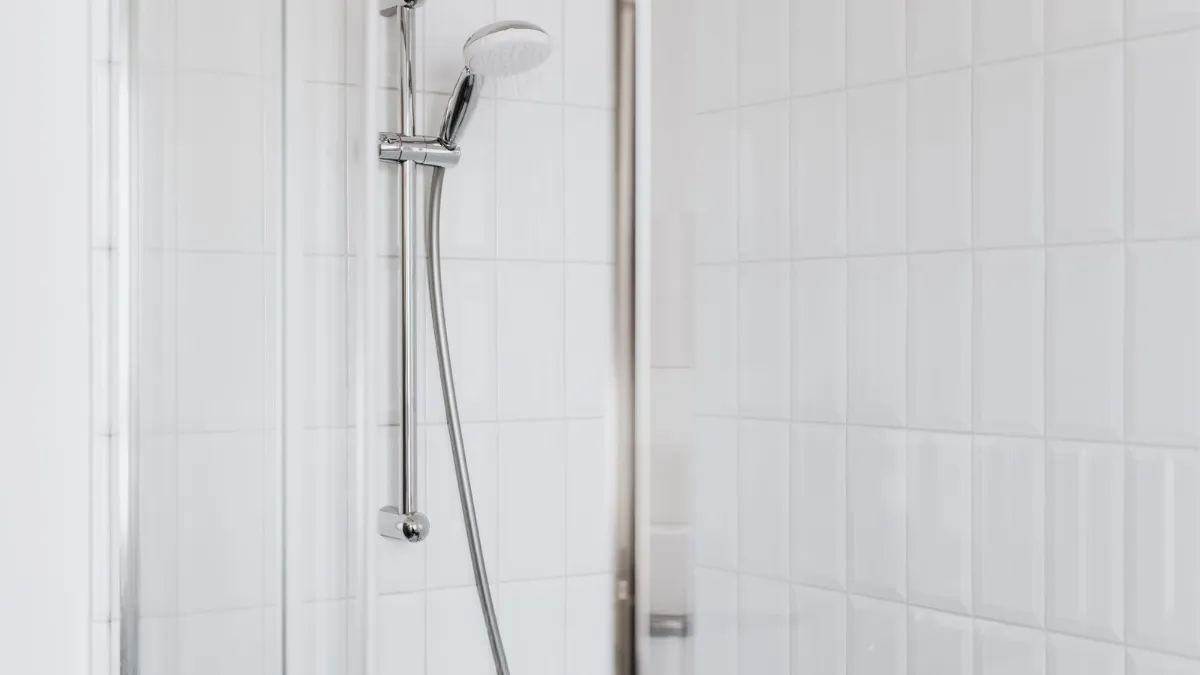
What You Need
Key points: baking soda; white vinegar (for non-stone tile); hydrogen peroxide; mild dish soap; spray bottle; soft nylon brush, old toothbrush and non-scratch sponge; microfiber cloths; a squeegee; gloves; a pH-neutral stone cleaner, if you have natural stone.
Safety first. Open a window or run the bathroom fan. Never mix vinegar with bleach or ammonia, since the combination can create toxic fumes. Test any cleaner on a hidden spot before you use it on the whole wall.
Step 1: Rinse and Remove Loose Dirt
Wet the tile with warm water. This loosens soap scum and soil. Wipe down the walls with a sponge. Remove hair and debris from the drain.
Step 2: Clean Soap Scum
Soap scum is the cloudy film left by soap and hard water.
- Make a paste. Mix baking soda with a little water, or with hydrogen peroxide.
- Spread it over the tile, or spray diluted vinegar over the baking soda paste on non-stone tile.
- Wait 5 to 10 minutes.
- Scrub with a soft brush or non-scratch sponge.
- Rinse with warm water.
- Dry with a microfiber cloth.
A baking soda and vinegar paste works for many homeowners, according to one source. Avoid wire brushes on soft grout, which can damage it.
Step 3: Clean the Grout
Grout is porous, so it holds dirt and moisture.
- Apply a baking soda paste along the grout lines.
- Add vinegar or hydrogen peroxide. One source suggests mixing the baking soda with hydrogen peroxide, which works on epoxy, cement and urethane grout on ceramic or porcelain tile.
- Let it sit for 10 to 15 minutes.
- Scrub with a toothbrush or grout brush.
- Rinse thoroughly.
- Dry the area.
For stubborn stains, repeat the process. A grout sealer, applied after the grout is clean and dry, helps stop stains and moisture from soaking in. Follow the maker’s instructions.
Step 4: Remove Mold and Mildew
Mold likes damp, warm corners.
- Ventilate. Turn on the fan or open a window.
- Apply the cleaner. One guide recommends pouring full-strength white vinegar onto moldy grout and letting it sit for about an hour before scrubbing. Hydrogen peroxide is another option for mold and stains.
- Scrub with a brush.
- Rinse well and dry.
If mold keeps coming back, look for a source of moisture, such as poor ventilation or a leak. If mold covers a large area or looks like it’s inside the wall, call a professional.
Natural Stone Warning
If your shower has marble, granite, travertine or other natural stone, don’t use vinegar or other acids. One source says vinegar can etch, dull and discolor natural stone. Another advises that if the stone tile’s grout needs cleaning, you can make a paste from two parts baking soda and one part hydrogen peroxide instead. For the stone itself, use a pH-neutral stone cleaner.
If you aren’t sure what your tile is made of, test a hidden spot, or check the installer’s care guide.
| Surface | Safe to use | Avoid |
|---|---|---|
| Ceramic or porcelain tile | Baking soda, diluted vinegar, mild soap | Harsh abrasives |
| Natural stone | pH-neutral stone cleaner, baking soda and peroxide paste on grout | Vinegar and acids |
| Grout (cement) | Baking soda, peroxide | Wire brushes |
| Glass | Vinegar and water, squeegee | Abrasive pads |
Step 5: Rinse and Dry
Rinse the entire shower with clean water to remove any residue. Dry the tiles with a squeegee or microfiber cloth. Drying stops water spots and slows soap scum and mold.
How to Keep Shower Tiles Clean
Squeegee after each shower. It slows buildup. Run the fan during and after showers, for at least 15 to 20 minutes if possible. Wipe down weekly with a mild cleaner. Use a daily shower spray if you like. Switch to liquid soap or a body wash, since bar soap leaves more scum. Seal grout every year or two, as the maker suggests. Use a water softener or filter if you have hard water. Fix leaks and drips promptly.
What mistakes should you avoid?
A few common mistakes are worth avoiding: using vinegar on natural stone (it can damage the surface); mixing cleaners (never mix vinegar with bleach or ammonia); scrubbing too hard (hard scrubbing can scratch tile or wear down grout); skipping ventilation (fumes and moisture are a problem); leaving the shower wet (moisture invites mold); not testing first (always test in a hidden spot).
Frequently Asked Questions
What is the best way to clean shower tiles?
Start with a baking soda paste and a soft brush. For soap scum on non-stone tile, add diluted vinegar. Rinse and dry well.
How do I clean shower grout?
Apply a baking soda paste, add vinegar or hydrogen peroxide as appropriate, let it sit, scrub with a brush and rinse.
How do I remove mold from shower tiles?
Ventilate the room and apply full-strength white vinegar or hydrogen peroxide. Let it sit, scrub and rinse. Address moisture problems.
Can I use vinegar on all shower tiles?
No. Don’t use vinegar on natural stone such as marble, granite or travertine. It can etch and dull the surface.
How often should I clean my shower tiles?
A quick wipe or squeegee after showers, and a deeper clean every week or two, keeps buildup down.
Is it safe to mix vinegar and bleach?
No. Never mix vinegar with bleach or ammonia, since the combination can create toxic fumes.
Conclusion
Clean shower tiles come down to the right product, a soft brush and good habits. Baking soda, vinegar and hydrogen peroxide handle most soap scum, grout stains and mold on ceramic and porcelain, while natural stone needs a gentler, pH-neutral approach.
Squeegee after showers, run the fan and clean weekly to keep buildup from returning. A few minutes of regular care keeps your shower looking fresh.
Related guides
 How to Clean a Shower Curtain: Fabric, Plastic Liner, Mold and MildewA shower curtain lives in the dampest place in your house. Soap scum, body oils and moisture build up on it,…Read more →
 Shower Squeegee Guide: How to Use It Daily, Prevent Mold and Hard Water Spots, Blade and Handle TipsQuick answer: a shower squeegee removes water from glass, tile and fixtures right after you shower, before it…Read more →
 Eucalyptus in the Shower: How to Hang It, How Long It Lasts, Benefits and SafetyQuick answer: tie a bundle of fresh eucalyptus stems together and hang it from the shower head or a hook where…Read more →
 Roll-In Shower: Size, Threshold, Slope and What Accessibility Rules Usually RequireA roll-in shower is a shower with no curb, so a person using a wheelchair can roll straight in. Vendors…Read more →


One Comment