
Pink Mold in Shower: It’s Usually Bacteria, Not Mold. Causes, Safe Cleaning and Prevention
The pink slime in your shower is usually not mold at all. It is most often a bacterium called Serratia marcescens that forms a pink biofilm. It feeds on residue from soap, shampoo and body oils, which is why showers suit it. For most healthy people the risk is low, but you should still clean it with gloves, keep surfaces dry and never mix cleaning products.
This article is part of our bathroom cleaning and mold prevention guide, where you can compare related options.
Pink film shows up on shower curtains, grout, drains and corners, and it comes back quickly. What they agree on is the cause and the cure: reduce moisture, remove residue and clean often.
Pink mold is the common name for a pinkish or orange slime that forms in damp bathrooms. This guide explains what it is, why it appears, whether it is dangerous, how to clean it safely and how to slow it down. This is not medical advice. If you have a weakened immune system, open wounds or symptoms, ask a doctor.
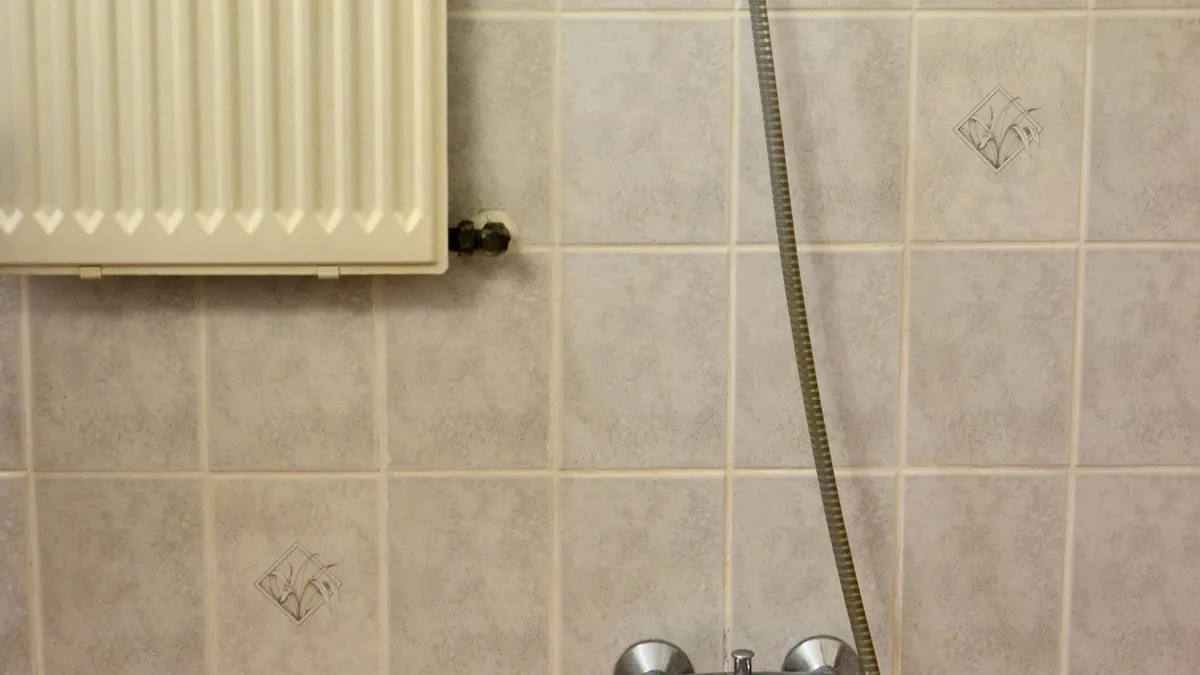
What is pink mold really?
Despite its name, pink mold is not actually a mold. It is a bacterial biofilm, usually Serratia marcescens. The bacterium is found almost everywhere in the environment, including soil, dust, water and even air. In a shower, it settles on damp surfaces and feeds on soap scum and oils. Bob Vila, This Old House and HomeServe all publish pink slime guides.
Why does it grow in showers?
Showers are warm, wet and full of food. Soap, shampoo and body oils leave residue on walls, curtains and drains. Poor ventilation keeps surfaces damp. Shower curtains and liners that stay bunched together stay wet longer. One source adds that people who use water filtration systems that remove chlorine from their water may see this issue more often, since chlorine normally keeps these bacteria in check.
Is pink mold dangerous?
For most people the risk is low. One source says touching it while showering or cleaning will not cause problems, though infections are possible in rare cases through open wounds or the eyes. Another notes that infections are more likely in people with weakened immune systems, the elderly, young children and those recovering from surgery. Bob Vila advises that it is still a health hazard and best to avoid direct contact.
Sources broadly agree it is less hazardous than black mold, but they differ on how much caution to take. When in doubt, wear gloves and ask a doctor about symptoms.
How do you clean it safely?
Wear gloves, eye protection and a mask. One approach is a paste of baking soda and dish soap, scrubbed on with a soft brush, then rinsed and dried. If you use a disinfectant, ventilate the room well and never mix it with vinegar or other cleaners, since combining products can create dangerous gases. Follow the label on any product.
Rinse everything well and dry the surface. Clean shower curtains and liners, or replace them if they are badly stained. Wash bath mats too, as our bathroom mats guide explains.
How do you prevent it from coming back?
You cannot fully eliminate it, so the goal is to keep surfaces dry and clean. Useful steps include washing shower curtains and liners regularly, and closing them after use so they dry out. Squeegee the walls, as our shower squeegee guide shows. Keep grout clean and sealed to limit moisture. Fix leaks and run a dehumidifier in damp bathrooms. Keep the bathroom window closed while showering to limit airborne bacteria entering.
Use an exhaust fan during and after showers. Our black mold in shower guide explains ventilation habits that help against both problems.
What about drains and shower accessories?
Pink film also collects in drains, on shower shelves and on soap dishes. Clean them regularly. A drain cover can catch hair, which feeds slime, as our shower drain cover guide explains. Empty and wipe shower shelves, as our shower shelf guide suggests. Keep bottles from sitting in standing water.
Why does it keep returning?
Because the bacterium is everywhere and the food source is always there. One source recommends managing it through regular cleaning rather than expecting to eliminate it permanently. If it returns within days, check ventilation, curtain drying and leftover residue.
When should you call a professional?
If you see a lot of growth that keeps returning, smell musty odors that persist or notice soft walls or loose tiles, a deeper moisture problem may exist. A plumber or mold specialist can check. If anyone in the home has symptoms or a weak immune system, ask a doctor.
What mistakes should you avoid?
Do not mix cleaning products. Do not scrub without gloves. Do not ignore ventilation. Do not leave curtains bunched when wet. And do not assume one cleaning will end the problem.
How often should you clean to keep it away?
A quick wipe or squeegee after showers helps daily, and a deeper clean every week or two keeps buildup low. Wash shower curtains and liners regularly, and replace them when they stay stained. If the pink film returns within days, look at ventilation and leftover soap residue first. Keep a dedicated brush for the shower so you do not spread bacteria around the house.
Further reading: EPA guidance on mold and moisture in the home.
Frequently Asked Questions
Is pink mold really mold?
No. It is usually a bacterium called Serratia marcescens that forms a biofilm.
Is pink mold dangerous?
For most people the risk is low, but infections are possible in rare cases, especially with weakened immunity. Avoid direct contact.
How do I get rid of it?
Scrub with gloves and a mild cleaner, rinse and dry. Never mix cleaning products.
Why does it keep coming back?
The bacteria are everywhere, and showers provide moisture and food.
How do I prevent it?
Keep surfaces dry, clean regularly, ventilate and wash curtains and liners.
Conclusion
Pink mold is a bacterial biofilm that loves damp showers and soap residue. Clean it with gloves and a mild method, dry the surfaces and make ventilation and regular cleaning a habit.
Because I did not read agency pages directly, check CDC guidance and ask a doctor about health concerns. A dry, clean shower is the best defense.
Related guides
 Black Mold in Shower: Causes, Safe Cleaning, Prevention and When to Call a ProBlack mold in a shower grows where moisture sits, usually from poor ventilation, steam and damp grout or caulk.…Read more →
 Shower Squeegee Guide: How to Use It Daily, Prevent Mold and Hard Water Spots, Blade and Handle TipsQuick answer: a shower squeegee removes water from glass, tile and fixtures right after you shower, before it…Read more →
 Eucalyptus in the Shower: How to Hang It, How Long It Lasts, Benefits and SafetyQuick answer: tie a bundle of fresh eucalyptus stems together and hang it from the shower head or a hook where…Read more →
 Roll-In Shower: Size, Threshold, Slope and What Accessibility Rules Usually RequireA roll-in shower is a shower with no curb, so a person using a wheelchair can roll straight in. Vendors…Read more →

One Comment