Bathtub Guide: Types, Materials, Sizes and How to Choose the Right Tub
A bathtub is one of the biggest fixtures in a bathroom. It can be a cozy place to relax or just a place to get clean. Picking the right one depends on your space, your budget and how often you actually take baths.
This article is part of our bathtub guide, where you can compare related options.
A bathtub, or bath tub, is a large basin for bathing. It may be built into the wall, set into a platform or stand alone in the middle of the room. Tubs come in many shapes and sizes, and in materials like acrylic, cast iron and steel.
This guide explains the main tub types, compares materials, covers size and floor weight and gives tips for choosing and installing a tub. You’ll also find a comparison table, a checklist and answers to common questions. Water capacity figures weren’t available in my sources, so check them with the maker.
Types of Bathtubs
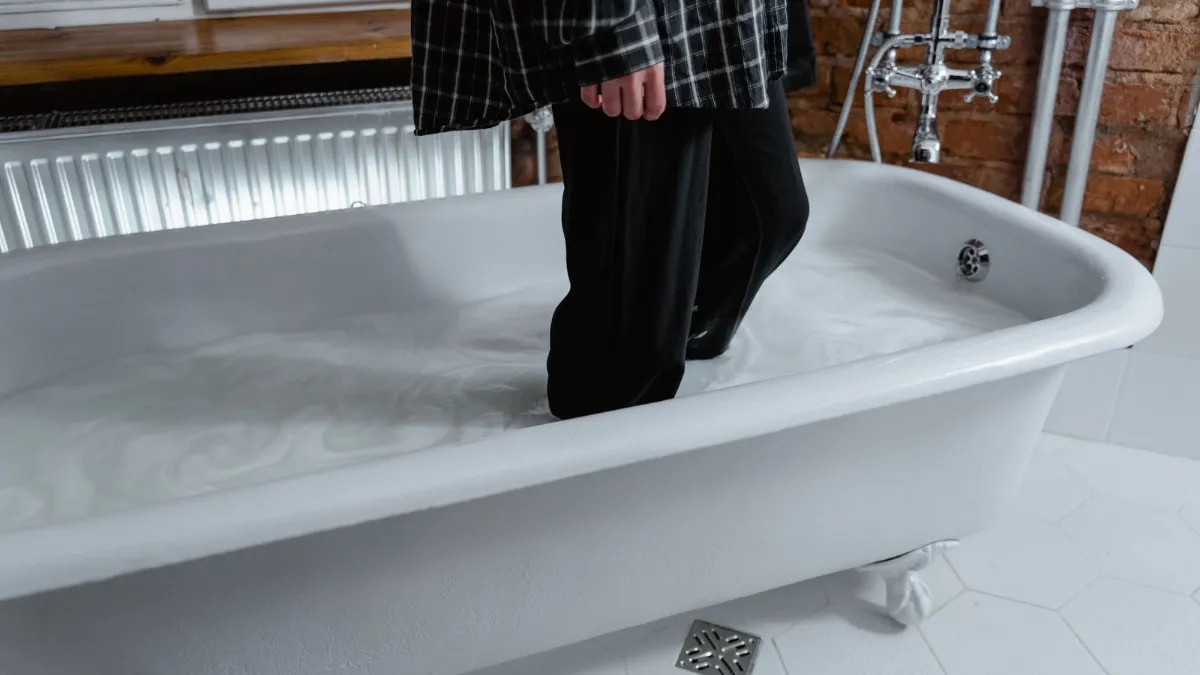
Alcove tub: fits into a three-walled space. Alcove bathtubs are the most common type of tub in American homes. They often include a shower. A 60-inch alcove tub is a common standard size. Drop-in tub: sits inside a surrounding frame or deck. Undermounts are drop-ins destined for floor-level installation, and flooring such as tile covers the lip of the tub. Corner tub: tucks into a room’s corner and can be set as an alcove or drop-in unit. One source says corner bathtubs are typically 60 inches long and 60 inches wide, but another gives a wider range of 48 to 72 inches. Freestanding tub: needs no wall support. Pros include a modern look and no need for framing and support. Cons include that they take longer to fill and are expensive. They take up more floor space. Soaking tub: deeper than standard tubs, made for soaking. Whirlpool or jetted tub: has jets for massage. Needs electricity and maintenance. Walk-in tub: has a door for easy entry. See the walk-in tub guide. Clawfoot tub: a classic freestanding tub on decorative feet. Tub-shower combo: a tub with a shower above.
| Type | Space needed | Install | Best for |
|---|---|---|---|
| Alcove | Small | Easy | Most bathrooms |
| Drop-in | Medium | Needs deck | Custom looks |
| Corner | Larger | Medium | Corner spaces |
| Freestanding | Large | Easier plumbing, more floor | Large bathrooms |
| Walk-in | Medium | Specialized | Limited mobility |
Materials
Acrylic: the most common option. Acrylic is lightweight and repairable, but an acrylic tub might be vulnerable to scratches and stains. Enameled cast iron: very durable and holds heat well. It is one of the more expensive materials on the market, but it’s also the most durable and less likely to dent or scratch. It keeps the water warm longer. It is very heavy. Enameled steel: a cheaper alternative to cast iron, but these tubs chip more easily. Fiberglass: low cost and light, but can scratch and fade. Solid surface and stone resin: smooth, warm to the touch and high in cost. Ceramic or porcelain: classic look. Can be heavy and cost more. Copper: striking but heavy and high maintenance.
Ceramic, fiberglass and acrylic are the budget performers. They are, however, less durable than luxury materials, so their lifetime costs are often higher.
Size and Weight
Standard alcove tubs are about 60 inches long, 30 to 32 inches wide and 14 to 20 inches high, in common practice. My sources confirmed the 60-inch length, but the width and height figures are not from my sources, so check the manufacturer’s measurements.
Check these details: Length and width. Make sure the tub fits the space. Depth. Deeper tubs hold more water and are good for soaking. Interior shape. The slope of the back affects comfort. Rim height. Think about stepping in and out.
Weight matters for floor loading. Certain tub materials like copper or cast iron may be too heavy for your floor, especially once the tub is filled with water. One guide puts enameled cast iron at 300 to 500 pounds, though I could not confirm this against a manufacturer spec. Water adds a lot of weight on top of that. Ask a contractor to check the floor if you plan a heavy tub, especially on upper floors.
How to Choose a Bathtub
Start with your room and lifestyle. Alcove tubs generally complement small spaces, while larger bathrooms can accommodate corner tubs or freestanding tubs.
Measure the space. Include doors and clearances. Decide how you’ll use it. Quick showers or long soaks? Choose the type. Alcove, drop-in, corner or freestanding. Pick the material. Weigh price against durability and heat retention. Check the floor. Heavy tubs need strong support. Plan plumbing. Alcove tubs fit existing plumbing. Freestanding tubs may need rerouting. Think about safety. Non-slip bottom, grab bars. Consider the faucet. Wall-mounted, deck-mounted or floor-mounted. Set a budget. Include installation. Read reviews.
Weigh budget against lifetime cost. A cheaper tub may need replacing sooner.
Installation
Replacing a tub is a bigger job than it seems. You may need to remove wall tile, move plumbing and rebuild the surround. Alcove tubs fit into the existing space with minimal changes if the size matches. Freestanding tubs need floor-mounted or wall-mounted fixtures, and deck-mounted tubs need a platform.
Hire a licensed plumber for plumbing work. Check local codes for permits. See the bathroom remodel ideas guide for planning and budgeting.
Care and Cleaning
Key points: clean acrylic with a mild, non-abrasive cleaner; avoid harsh scrubbers that scratch; rinse after cleaning; wipe the tub dry to prevent water spots; fix chips in enamel promptly to prevent rust; check the caulk around the tub and replace it if it cracks or molds; use a non-slip mat for safety. See the bath mat guide.
What mistakes should you avoid?
A few common mistakes are worth avoiding: choosing a tub that doesn’t fit (measure the space); ignoring floor weight (cast iron and water are heavy); picking style over comfort (test the shape if you can); forgetting the plumbing (freestanding tubs can need new rough-ins); skipping safety features (add grab bars and non-slip surfaces); using abrasive cleaners on acrylic (they scratch).
Frequently Asked Questions
What is the most common type of bathtub?
The alcove tub, which fits into a three-walled space.
What is the standard bathtub size?
A 60-inch alcove tub is a common standard size. Check the full dimensions.
What material is best for a bathtub?
Acrylic is common and light. Cast iron is very durable and holds heat. Steel is cheaper but chips more easily.
Are freestanding tubs hard to install?
They avoid wall framing but are expensive, take longer to fill and need space and the right fixtures.
How heavy is a cast iron bathtub?
One guide puts enameled cast iron at 300 to 500 pounds, but I couldn’t confirm it. Check the maker’s spec and your floor.
Can I replace my tub with a shower?
Yes, with plumbing and waterproofing work. See the walk-in shower guide.
Conclusion
The right bathtub fits your bathroom, your budget and the way you bathe. Alcove tubs suit most homes, corner and freestanding tubs suit larger bathrooms and materials range from affordable acrylic to long-lasting cast iron.
Measure the space, check the floor and plan the plumbing. With the right tub, you get a comfortable place to relax or a practical part of your daily routine.
Related guides
 Walk-In Bathtub Guide: Costs, Slow Filling, Leaks, Medicare Coverage and SafetyQuick answer: a walk-in bathtub has a watertight door in the side so you step in instead of climbing over the…Read more →
 Baby Bath: Tub Types, Safety Rules and the Right Water TemperatureFor a safe baby bath, use a stable tub with a non-slip surface, keep the water warm but not hot (sources cite…Read more →
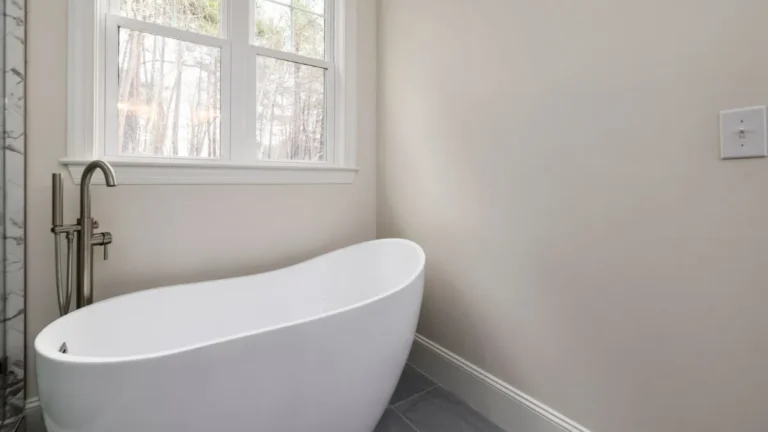 Stand Alone Tub: Materials, Weight, Floor Support, Size and Installation CostA stand alone, or freestanding, tub sits on its own without being built into a wall or surround. Cast iron,…Read more →
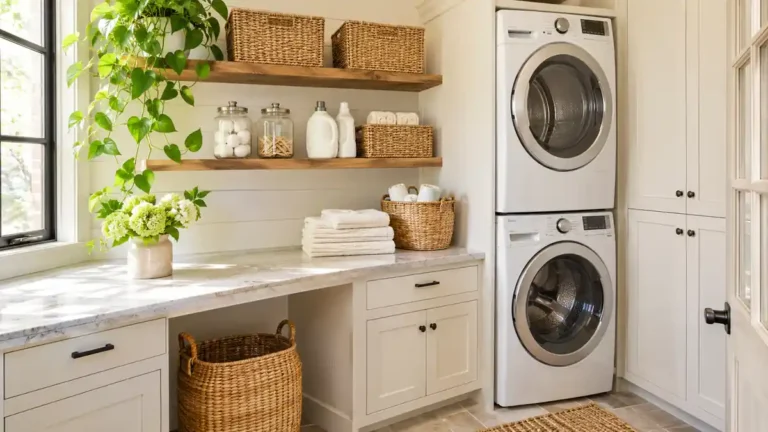 Small Laundry Room Ideas: Stacked Machines, Folding Counters, Vertical Storage and Layouts That WorkQuick answer: the best small laundry room ideas are to stack the washer and dryer, add a folding counter or…Read more →