
Accent Cabinet Guide: Uses, Sizes, Doors, Placement and Styling for Entryway and Living Room
An accent cabinet is the quiet workhorse of a home. It stores things you do not want to see, shows things you do and adds a piece of furniture with style to a room. It can hold dishes in the dining room, keys and mail in the entryway, games and blankets in the living room or linens in the bedroom. Because it is an “accent” piece, it is chosen for looks as well as function.
This article is part of our shelves, bookcases and storage furniture guide, where you can compare related options.
An accent cabinet is a decorative storage cabinet, usually smaller than a full china cabinet or wardrobe. It may have doors, drawers, shelves or all three. It goes by many names: accent chest, console cabinet, sideboard, credenza or buffet. This guide explains the main uses, how to size one, how to choose doors, how to place and style it and what mistakes to avoid. The search results were mostly retailer pages, so I did not find independent design guides, and sizes in this guide come from listings. Check each product’s dimensions and weight limits.
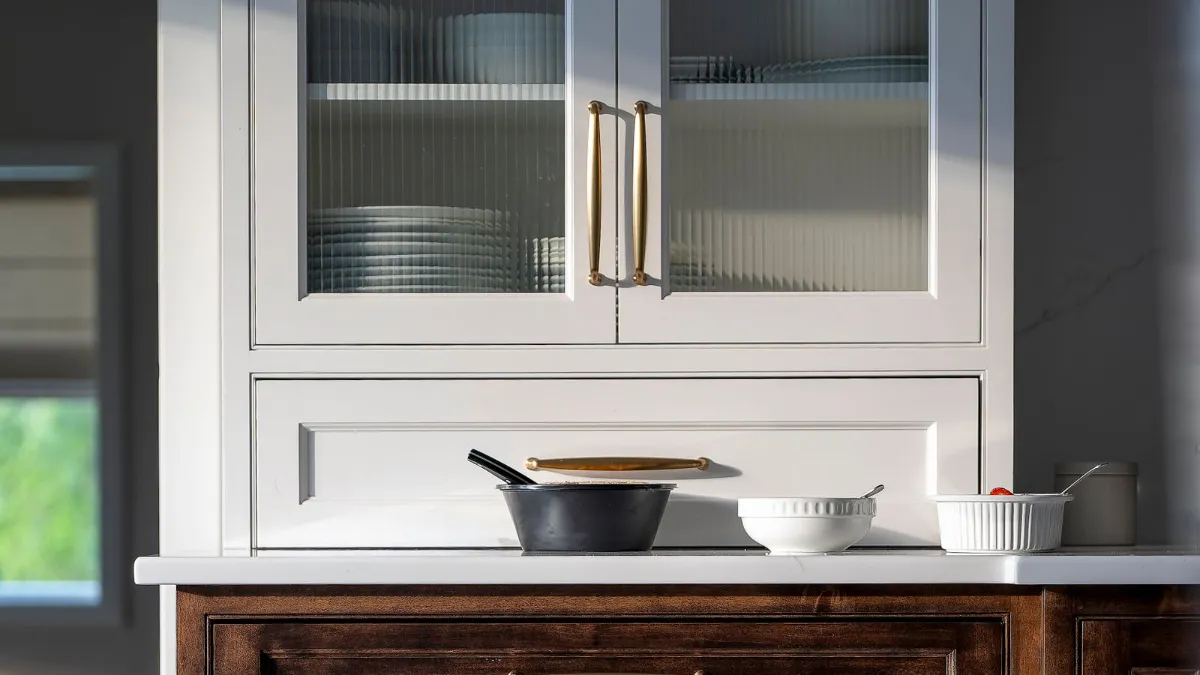
What Is an Accent Cabinet?
An accent cabinet is a piece of storage furniture that doubles as decor. It is usually low to medium height, and sits against a wall. One retailer describes it as a stylish storage solution that helps organize clutter while adding a focal point to any room.
Related pieces: Console cabinet. A long, low cabinet often placed against a wall in an entryway or living room. Sideboard or buffet. A wider cabinet for dining rooms, with doors and drawers. Credenza. A low, mid-century style cabinet. Accent chest. A smaller cabinet or chest of drawers used as an accent. Storage cabinet. Taller, narrower. Display cabinet. Glass doors for showing items. See the display cabinet guide.
Uses by Room
Living room: retailers suggest these work as a media console, a display case, or storage for books and games. A living room piece can be larger and more decorative. Entryway: hold keys, mail, shoes and bags. A hallway cabinet should be narrow and functional. Dining room: store dishes, linens and tableware. Serve as a buffet. Bedroom: used as a nightstand, dresser substitute or storage for linens. Home office: files, supplies and equipment. See the writing desk guide. Bathroom or hallway: narrow cabinets for towels and supplies. See the bathroom organizer guide. Kitchen or pantry: extra storage.
| Room | Common use | Size tip |
|---|---|---|
| Living room | Media, games, display | Larger, decorative |
| Entryway | Keys, mail, shoes | Narrow, functional |
| Dining | Dishes, linens | Wider |
| Bedroom | Linens, nightstand | Compact |
Measure First
To find the perfect fit, measure the width, depth and height of your entryway or the wall where the cabinet will go.
- Measure the wall space and note outlets, vents and switches.
- Measure the depth you can spare, especially in hallways and entryways.
- Check the height against windows, artwork and mirrors above.
- Check door and drawer swing, so they open fully.
- Check walking space. Leave at least 30 inches for main paths (general guideline).
- Check the delivery path.
- Tape the outline on the floor.
Listings in the results range from about 28 inches to 80 inches wide. A Walmart example is roughly 39 inches long, 16 inches deep and 31 inches high, which suits a narrow hall or entry better than a deep console.
Doors, Drawers and Shelves
Doors change how the piece is used.
Solid doors hide clutter and give a clean look. Glass doors display items. Glass fronts also need gentler cleaning, as one retailer notes. Mesh, cane or slatted doors let air through and add texture. Open shelves are easy to reach and show items. Drawers are good for small items like keys, remotes and cutlery. Adjustable shelves fit different heights. Hidden storage. Sideboards are often sold with interior features like hidden storage for linens or media, which suits a clutter-free look. Cable cutouts. If you use it as a media console. See the TV cabinet guide.
Choose based on what you store. If you keep delicate items, think about soft-close hinges.
Materials and Style
Key points: solid wood. Durable and warm. See the wood dresser guide; wood veneer on engineered wood. Lower cost; metal. Industrial look; glass. Light and modern; rattan and cane. Textured and breezy. See the rattan dresser guide; painted finishes. Color accents; marble or stone tops. Luxurious but heavy.
Style options include modern, mid-century, farmhouse, industrial, traditional, coastal and boho. Color options include gray, white, black, walnut and oak. Match the cabinet to your existing furniture.
Weight and Stability
Key points: check the shelf and top weight ratings; anchor tall or narrow cabinets to the wall, especially with kids or pets; use felt pads to protect floors; make sure the cabinet sits level; don’t put a heavy TV on a cabinet not made for it.
Placement Ideas
Key points: against a long wall in the entryway with a mirror above; beside a sofa as an end cabinet; behind a sofa as a console. See the couch table guide; in the dining room along a wall; in a hallway with a lamp and a tray; under a window if the height allows; in a corner for a display piece; flanking a fireplace.
Leave room around it so doors and drawers open.
Styling an Accent Cabinet
Key points: top surface. Lamp, plant, a tray and a few books. Odd numbers look natural; mirror or art above, aligned to the cabinet’s width; baskets on open shelves to hide clutter; glass doors. Display dishes, books or collectibles. Keep it tidy; entry setup. Key bowl, mail organizer and a small plant; keep it simple. Leave some empty space; mix heights and textures; hide cords with clips.
See the bookends and corner shelves guides for display ideas.
Care
Key points: dust regularly; clean glass gently with a soft cloth; wipe wood with a damp cloth and dry it; avoid harsh cleaners; keep out of direct sun; tighten hardware occasionally.
What are the main strengths and weaknesses?
On the plus side: adds storage and style; works in many rooms; hides clutter; can double as a focal point. On the downside: takes up floor space; cheap models may wobble; glass shows fingerprints; heavy pieces are hard to move.
How to Choose an Accent Cabinet
Decide the main use and room. Measure width, depth and height. Choose door type: solid, glass or open. Check shelves, drawers and weight limits. Pick a material and finish. Plan anchoring for tall pieces. Check delivery access. Match your style. Read reviews for assembly and quality. Check the return policy.
What mistakes should you avoid?
A few common mistakes are worth avoiding: not measuring the space; choosing too deep for a hallway; ignoring door swing; buying for looks and forgetting storage needs; skipping the wall anchor on tall pieces; overloading shelves.
Frequently Asked Questions
What is an accent cabinet used for?
Storage and decor in living rooms, entryways, dining rooms and bedrooms.
How big should an accent cabinet be?
It depends on the space. Measure the wall, and check depth for hallways. Listings range widely.
Should I choose glass or solid doors?
Glass displays items. Solid doors hide clutter.
What is the difference between an accent cabinet and a sideboard?
A sideboard is usually wider and used in dining rooms. An accent cabinet can be any size.
How do I style the top of an accent cabinet?
Use a lamp, plant, tray and a few books, with art or a mirror above.
Do accent cabinets need to be anchored?
Tall or narrow ones should be, especially with kids and pets.
Conclusion
An accent cabinet gives you storage that looks good. Start with the room and the space, choose the right size and door style, check weight limits and anchor tall pieces.
Style the top simply and leave room around it. With the right cabinet, you get both a neat home and a nice focal point.
Related guides
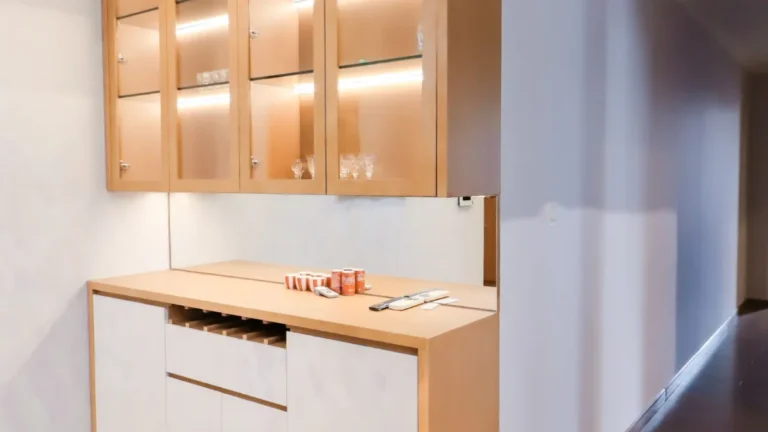 Glass Cabinet: Tempered vs Regular Glass, Thickness, Safety and Wall AnchoringTempered or laminated glass is the safer choice for a glass cabinet, especially in a home with children.…Read more →
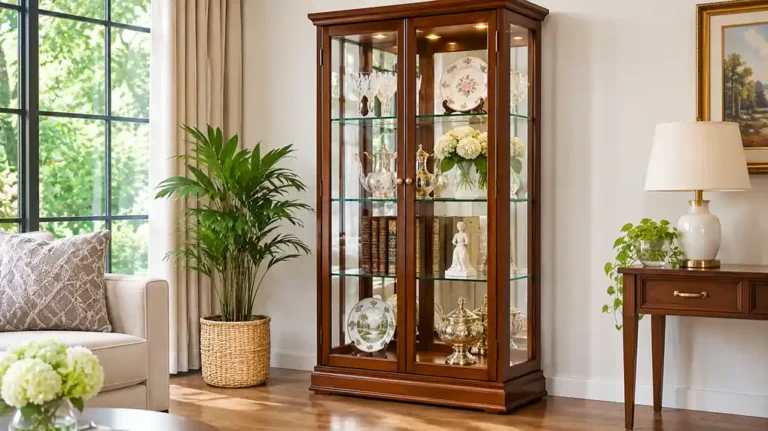 Display Cabinet Guide: Types, Glass, Lighting, Safety and StylingA display cabinet is where you show off the things you love and keep dust off them at the same time. People use…Read more →
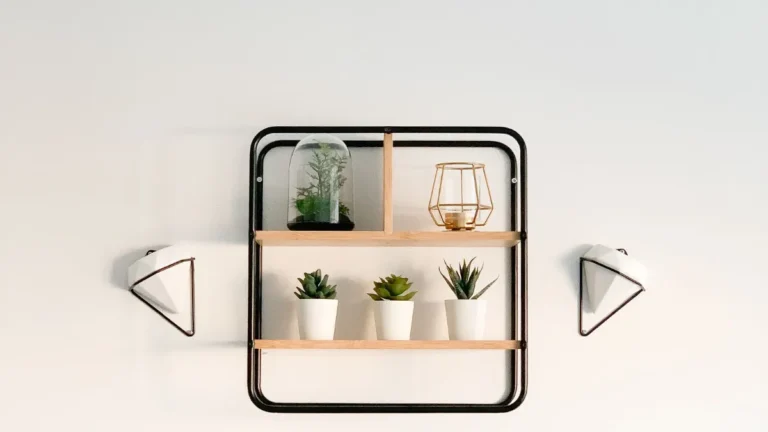 Floating Wall Shelves: Weight Capacity, Studs, Brackets and InstallationA floating shelf hides its brackets, so it looks like it s hovering on the wall. How much it can hold depends…Read more →
 TV Cabinet Guide: Sizing to Your TV, Cable Management, Ventilation, Doors and HeightA TV cabinet holds your TV, hides your gear and sets the tone for the living room. A good one fits your…Read more →

One Comment