
Limestone Sink Guide: Sealing, Stain and Etch Care, pH-Neutral Cleaning, Sizes and Weight
Quick answer: a limestone sink is a natural stone basin, often a vessel style. Limestone is porous, so seal it (one seller suggests about once a year), blot spills instead of wiping, avoid acidic cleaners such as vinegar and lemon that can etch the surface, use mild pH-neutral soap and check the sink’s weight, which ranges from about 30 to over 90 pounds in listings, before planning counter support.
This article is part of our bathroom vanity and sink guide, where you can compare related options.
A limestone sink adds warm, earthy texture to a bathroom. Each piece is unique, with soft color variation and a matte or honed finish. But natural stone is not as forgiving as ceramic. It can stain, etch and need regular sealing. This guide explains what limestone is, sealing, cleaning, sizes and weights, styles, installation points and how to choose. Some pages contained machine-generated copy, such as claims that limestone “won’t absorb stains,” which I did not rely on. Confirm care instructions with the manufacturer.

What Is a Limestone Sink?
A limestone sink is carved or cut from natural limestone and often sold as a vessel (above-counter) sink. Finishes include honed, polished, rustic or hand-chiseled. Styles: Round vessel. A 16 inch round classic limestone vessel is a common size. Rectangular vessel. Seagrass rustic limestone rectangular sinks. Canoe-shaped vessel. A modern honed black limestone canoe vessel sink at 18 by 14 inches. Sloped-rim vessel. White limestone sloped-rim sinks. Fossil limestone. With visible fossils (seagrass fossil limestone). Undermount or drop-in versions (less common).
Stone Tile Depot, Luvo Home and Native Trails sell limestone and stone sinks. See the bathroom sinks guide for vessel and other sink types, and the vessel sink pages for faucet height issues.
Why Choose Limestone?
Key points: natural, unique look; warm, soft color; a matte, tactile surface; pairs with wood, brass and neutral bathrooms.
Sealing
Natural stone is porous, so stains can set in if substances sit on the surface too long, and retailers recommend sealing as the main protective step. A penetrating sealer is the usual choice, and one seller suggests resealing about once a year. Sealers don’t fully prevent staining, so daily care still matters.
How to seal (general approach, follow the product label):
- Clean and dry the sink thoroughly.
- Apply a stone sealer made for limestone, as directed.
- Let it penetrate.
- Wipe off excess.
- Allow it to cure before use.
- Test by dropping water: if it beads, the seal is working (common test).
Cleaning
Most sellers advise mild, pH-neutral soap and a soft cloth. One listing says to drip a few drops of mild cleanser, rinse with water and wipe dry. Avoid acidic cleaners such as vinegar or lemon-based products, which can etch limestone. Avoid abrasive pads, bleach and harsh chemicals unless the maker allows. Dry the sink after use to reduce water marks.
Stains and Spills
For spills, one manufacturer’s care sheet says to blot rather than wipe, since wiping can spread the mark. Wipe up toothpaste, soap, makeup, hair dye, coffee and mouthwash quickly. Some bathroom products are acidic and can etch. See the bathroom accessories and soap dish guides for placing items so they do not sit on stone.
Etching shows as dull spots. Light etching can sometimes be treated with a stone polish. Deep stains may need a poultice or professional help. Ask a stone care specialist.
Sizes and Weights
Examples from listings: A 16 inch round classic limestone vessel is listed at roughly 60 pounds, though the listing wording is unclear. A 18 by 14 by 6 inch canoe-shaped honed black limestone vessel is listed at 30 pounds. A white limestone sloped-rim vessel is listed at 66 pounds for the standard size and 86 pounds for the large format, both including packaging. A rustic seagrass fossil limestone vessel at roughly 16 by 20 by 5 inches is listed at 95 pounds including packaging. Several sellers offer custom sizes and finishes.
Weights vary a lot by size and shipping packaging, so check whether a listing’s weight is the bare sink or includes crating before planning countertop support. A heavy stone sink needs a strong vanity. See the floating bathroom vanity guide for wall support and the small vanity and double vanity guides for vanity sizing.
Installation Notes
Check the faucet height. Vessel sinks need tall or wall-mounted faucets. See the bathroom sinks guide. Make sure the vanity top can carry the weight. Use the correct drain and seal. Some stone sinks have no overflow. Use silicone sealant as directed to avoid staining. Hire a plumber if unsure. Handle with care. Limestone can chip.
Limestone Compared With Other Sink Materials
Limestone is softer and more porous than granite or porcelain, so it needs more care. Ceramic and porcelain sinks resist stains and need no sealing. Granite is harder and also needs sealing but resists etching better. Marble, like limestone, can etch from acids. The trade-off is look and feel: limestone has a warm, matte, hand-made character that glossy ceramic cannot match. If you want low maintenance, a ceramic vessel sink may suit you better. If you love natural stone and will follow a simple care routine, limestone is a good choice. Ask the seller for a sample to test with a drop of water and a mild cleaner before you commit.
What are the main strengths and weaknesses?
On the plus side: beautiful, natural look; every sink is unique; warm, calming feel; many shapes and finishes. On the downside: porous, can stain and etch; needs sealing; heavy; not all cleaners are safe; can chip.
How to Choose a Limestone Sink
Choose the style: round, rectangular or canoe. Choose the finish: honed, polished or rustic. Check the size for your vanity. Check the weight and support. Check the faucet height and drain type. Ask about the sealer and care. Plan cleaning habits. Read reviews. Check the return policy for natural variation.
What mistakes should you avoid?
A few common mistakes are worth avoiding: using vinegar or lemon cleaners; skipping sealing; wiping instead of blotting spills; ignoring weight; leaving products on the stone; trusting “won’t stain” claims.
Frequently Asked Questions
Do limestone sinks stain?
Natural stone is porous, so stains can set in if substances sit too long. Seal and clean spills.
How often should I seal it?
One seller suggests about once a year. Confirm with the manufacturer.
Can I use vinegar?
No. Acidic cleaners can etch limestone.
How heavy is a limestone sink?
Listings range from about 30 to over 90 pounds, sometimes including packaging.
What soap should I use?
Mild, pH-neutral soap.
Is it hard to maintain?
It needs sealing and careful cleaning, but daily care is simple.
Conclusion
A limestone sink brings natural beauty to a bathroom, but it needs care. Seal it, blot spills, use pH-neutral cleaners and avoid acids.
Check the weight, the faucet height and the manufacturer’s care sheet. With good habits, a limestone sink ages beautifully.
Related guides
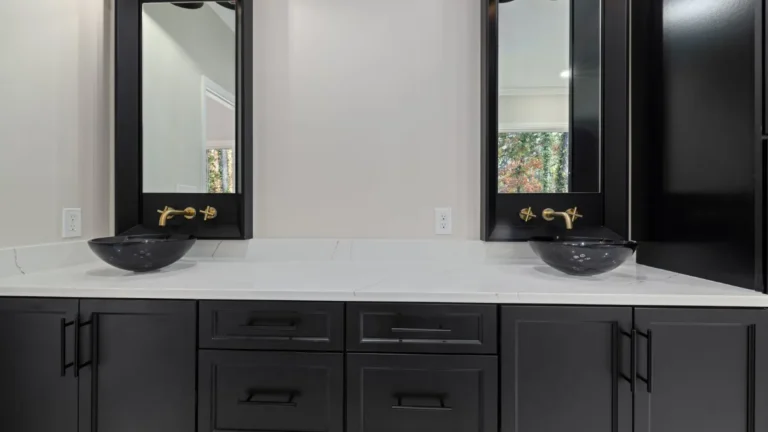 Vessel Sink Guide: Faucet Height, Counter Fit, Cleaning and CostA vessel sink is a bowl that sits on top of the counter instead of being set into it. Because the bowl adds…Read more →
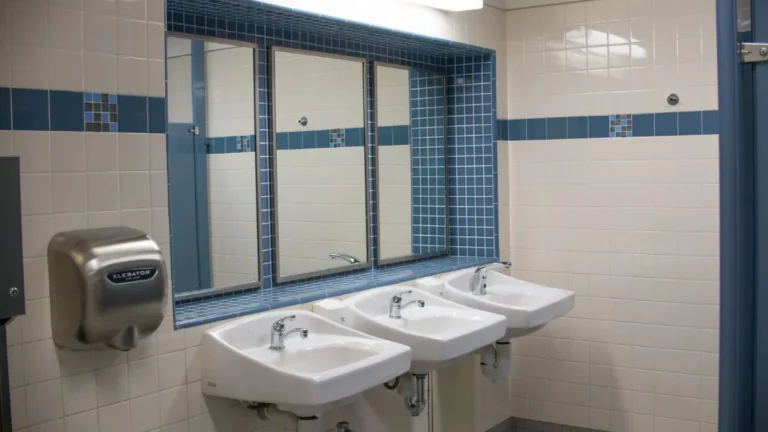 Bathroom Sinks Guide: Pedestal, Wall-Mounted, Undermount, Drop-In and Vessel Types ComparedQuick answer: the five common bathroom sink types are pedestal, wall-mounted, undermount, drop-in and vessel.…Read more →
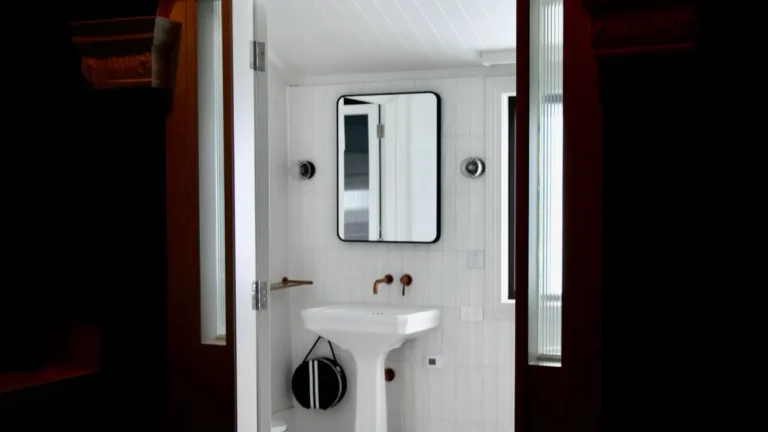 Pedestal Sink: Pros, Cons, Sizes, Installation and vs Wall-Mounted SinksA pedestal sink is the classic choice for small bathrooms and powder rooms. A basin sits on a column, so the…Read more →
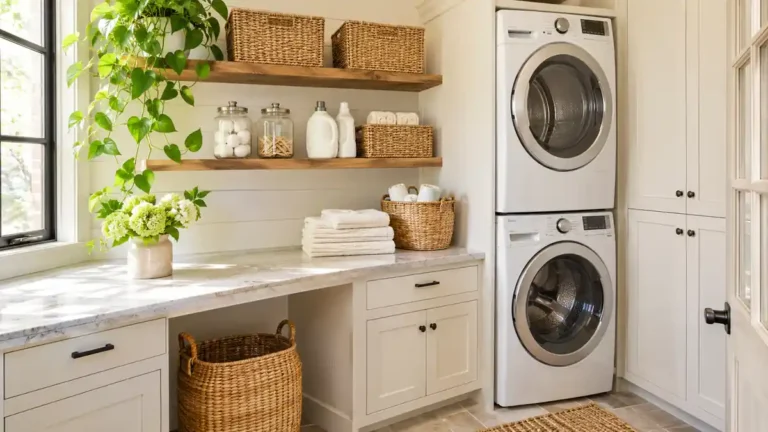 Small Laundry Room Ideas: Stacked Machines, Folding Counters, Vertical Storage and Layouts That WorkQuick answer: the best small laundry room ideas are to stack the washer and dryer, add a folding counter or…Read more →


2 Comments